




What Kind of Knee Brace for Pes Anserine Bursitis?
Here is a professionally written, SEO-optimized blog post tailored for your orthopedic brace store. It balances anatomical authority with clear, conversion-driven product recommendations.
What Kind of Knee Brace for Pes Anserine Bursitis? A Specialist’s Guide
If you are experiencing a dull, aching pain on the inner side of your knee—particularly about two inches below the joint line—you might be dealing with Pes Anserine Bursitis. It is a common yet frustrating condition that plagues runners, cyclists, and individuals with osteoarthritis alike.
When every step, stair climb, or nighttime toss-and-turn triggers that stubborn inner knee pain, finding the right support becomes urgent. But with hundreds of options on the market, what kind of Knee Brace is actually effective for pes anserine bursitis?
In this medical-grade guide, we will break down the anatomy of your pain and help you choose the exact type of knee brace needed to accelerate your recovery.
Understanding the Enemy: What is Pes Anserine Bursitis?
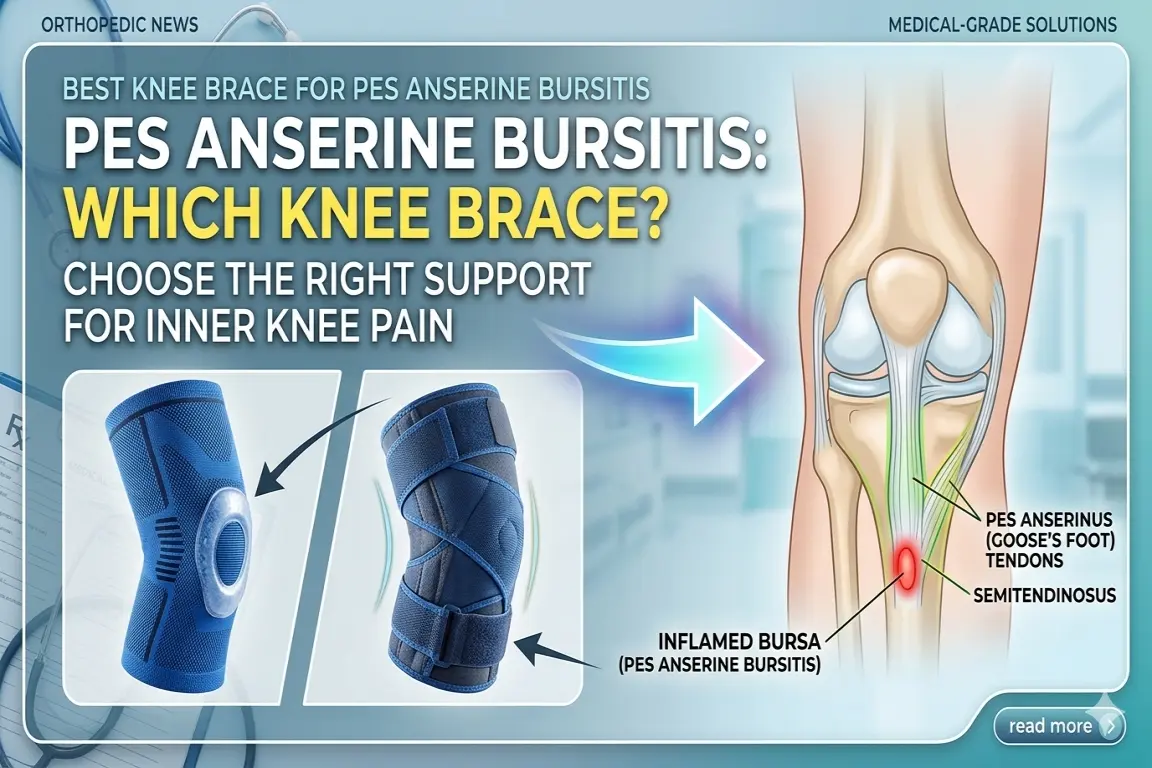
To understand which brace works, we must understand the anatomy. The Pes Anserinus (Latin for "goose's foot") is the precise spot where three major tendons—the sartorius, gracilis, and semitendinosus—converge and attach to the inner side of your shinbone.
Situated right beneath these tendons is the bursa, a small, fluid-filled sac designed to act as a friction-reducing cushion.
When your knee is subjected to repetitive stress, poor alignment (such as knee knocking or valgus stress), or tight hamstrings, this tiny sac becomes severely compressed and inflamed. The result? Pes anserine bursitis.
Why standard braces fail: A generic, rigid knee brace with heavy steel hinges won't fix this. Pes anserine bursitis requires targeted compression to reduce bursa swelling and specific lateral support to stop the inner knee from collapsing inward.
The 3 Best Types of Knee Braces for Pes Anserine Bursitis
Depending on your daily activity level and the severity of your inflammation, your knee will require one of the following specialized supports:
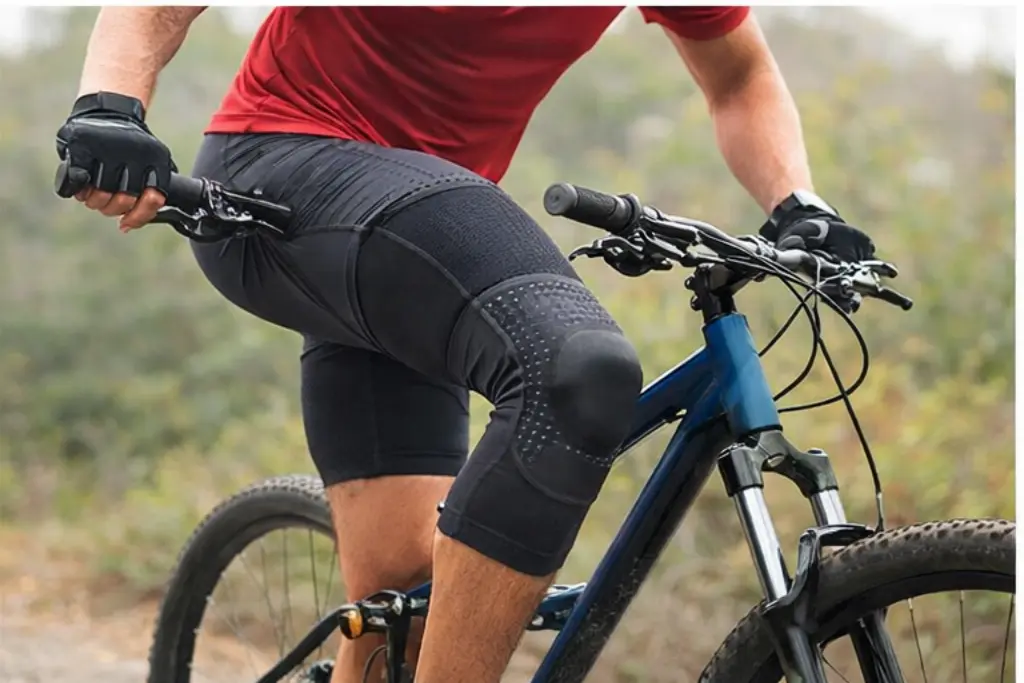
1. 3D Knit Compression Sleeves with Patella Gel Pads (Best for Daily Wear & Swelling)
If your primary symptoms involve localized puffiness, throbbing after long hours of sitting, or mild pain during daily walks, a 3D anatomical knit compression sleeve is your gold standard.
-
How it works: Medical-grade graduated compression increases blood flow to the inner knee, which drastically accelerates the reabsorption of the inflamed fluid inside the bursa. The surrounding silicone gel pad stabilizes the kneecap, taking tension off the connected tendons.
-
The Benefit: It’s lightweight, breathable, and fits seamlessly under clothing for all-day relief.
2. Knee Supports with Flexible Side Stabilizers (Best for Running & Fitness)
Are you a runner, hiker, or gym-goer whose inner knee pain flares up during movement? Your bursitis is likely caused by dynamic knee valgus—a subtle inward buckling of the knee joint during strides or squats that pinches the bursa.
-
How it works: These braces feature flexible spring stabilizers embedded into the medial (inner) and lateral (outer) sides of the sleeve. They act as artificial ligaments, providing structural guidance to keep your knee tracking straight without restricting your natural bending motion.
-
The Benefit: By stopping the knee from caving inward, it instantly removes the mechanical friction overloading your pes anserine tendons.
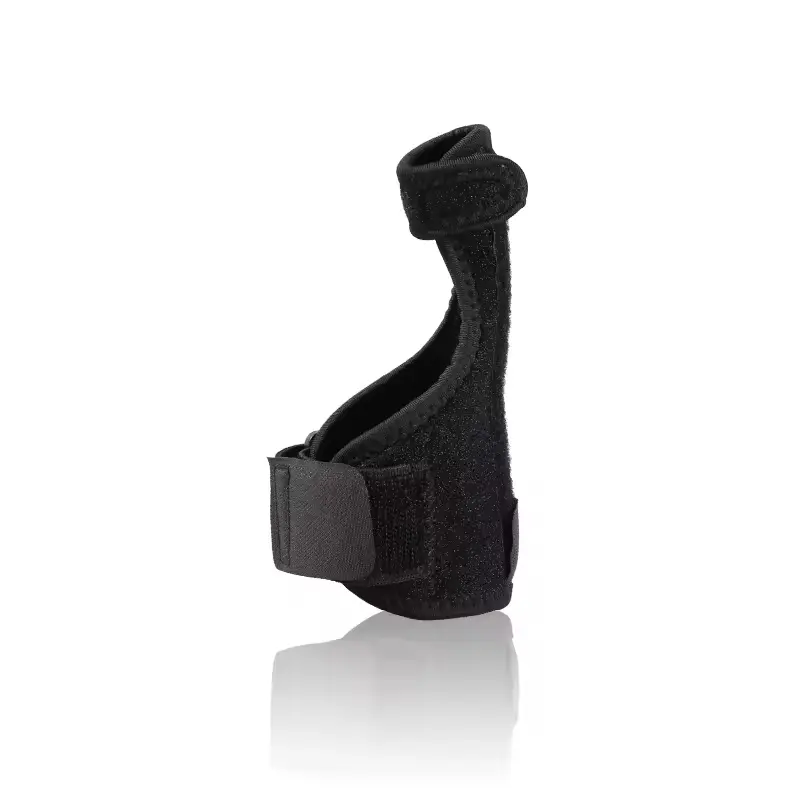
3. Adjustable Wrap-Around Braces with Targeted Straps (Best for Acute Pain Relief)
When the pain is sharp and even touching the inner side of your shin hurts, you need customizable pressure.
-
How it works: Wrap-around braces allow you to adjust the tension exactly where you need it. By tightening the lower strap right above the pes anserine insertion point, you create a "counter-force" effect. This alters the angle of pull on the tendons, immediately dampening the pressure exerted on the inflamed bursa underneath.
-
The Benefit: Easy to put on and take off if bending your leg to pull on a sleeve is too painful.
Choosing Your Fit: The Selection Matrix
| Brace Type | Key Mechanism | Best For | Pain Stage |
| Knit Compression Sleeve | Reduces fluid retention & swelling | Daily walking, office work, light rehab | Chronic / Mild-Moderate |
| Side-Stabilizer Support | Corrects inward knee buckling (Valgus) | Running, tennis, hiking, heavy lifting | Dynamic / Exercise-Induced |
| Adjustable Wrap Brace | Precise, localized pressure control | Post-flare-up rest, severe tenderness | Acute / Highly Inflamed |
Beyond the Brace: A Holistic Recovery Protocol
While a premium orthopedic brace provides the crucial structural environment for healing, true recovery requires a multi-step approach:
-
The R.I.C.E. Protocol (Acute Phase): Rest the joint and apply targeted cold therapy. [Check out our Medical-Grade Gel Ice Packs designed specifically to wrap around the inner knee joint.]
-
Strengthen the Glutes: Weak gluteus medius muscles cause your thighs to rotate inward, directly overloading the pes anserinus. Incorporate lateral band walks into your routine.
-
Stretch the Hamstrings: Tightness in the back of your leg pulls directly on the goose's foot tendons, irritating the bursa. Gentle, static stretching after a warm shower can work wonders.
Don't Let Inner Knee Pain Hold You Back
Pes anserine bursitis doesn't have to turn into a chronic, month-long setback. By providing your joint with the exact combination of medical compression and tracking alignment, you can protect the bursa and let the inflammation subside naturally.
Explore our curated collection of [Anatomical Knee Sleeves] and [Targeted Stabilizing Braces] today to find the perfect fit for your recovery journey.
Disclaimer: While braces provide excellent structural support for recovery, please consult with a physical therapist or orthopedic physician for a comprehensive diagnosis and tailored treatment plan.