Best Ankle Brace With Straps For Maximum Support and Comfort?
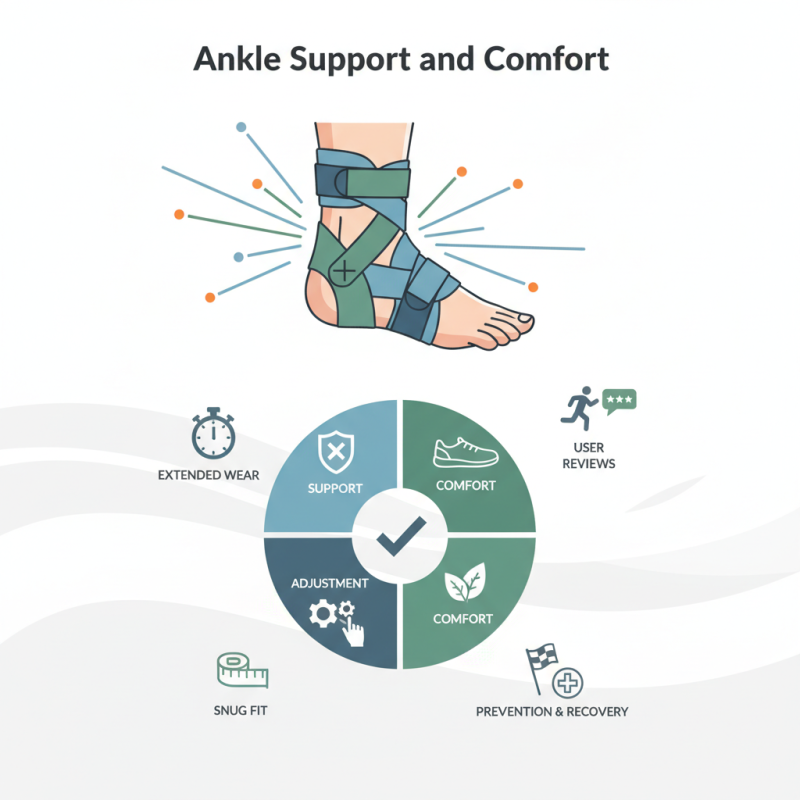
Choosing the right ankle brace with straps is crucial for support and comfort. You need something reliable that prevents injury and aids in recovery. Ankle injuries are common, particularly in sports. A good brace can make all the difference.
An ankle brace with straps ensures a secure fit, allowing for adjustments based on your need. Straps provide extra reinforcement, which is often necessary during physical activity. Many users report feeling more confident while wearing a properly fitted brace. However, not all braces deliver the same level of protection or comfort.
Some may find certain designs difficult to wear for extended periods. It's essential to consider the fit and material. The right choice should feel snug but not restrictive. Additionally, reading reviews helps identify common issues with certain models. Take time to find one that truly meets your needs.
Types of Ankle Braces: Understanding Different Designs and Features
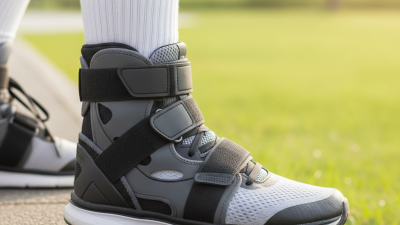
When choosing an ankle brace, understanding the various types is essential. Each design offers unique features tailored for specific needs. For instance, rigid braces provide strong support, reducing the risk of injury during high-impact activities. These braces often include straps that allow users to adjust the tightness, promoting stability.
On the other hand, soft braces are lightweight and typically used for minor injuries or sprains. They provide compression and warmth, aiding in recovery. Many people find the plush padding in soft braces comfortable for all-day wear. However, they might not offer enough support for serious situations.
For those seeking a balance between support and mobility, semi-rigid braces can be a good option. They combine features of both rigid and soft braces. Such designs allow for some flexibility while still providing adequate support. However, the choice of material and fit can make a significant difference in comfort, making it vital to try on different options before making a decision.
Best Ankle Brace With Straps For Maximum Support and Comfort
| Type |
Material |
Support Level |
Comfort Features |
Sizes Available |
| Stirrup Brace |
Plastic & Foam |
Moderate to High |
Adjustable Straps, Breathable Material |
S, M, L, XL |
| Compression Brace |
Neoprene |
Low to Moderate |
Moisture-Wicking, Lightweight |
M, L, XL |
| Ankle Sleeve |
Elastic Fabric |
Low |
Seamless Design, Soft Stitching |
S, M, L |
| Laced Brace |
Nylon & Polyester |
High |
Custom Fit, Ankle Stability |
M, L, XL |
Key Benefits of Using Ankle Braces with Straps for Support and Comfort
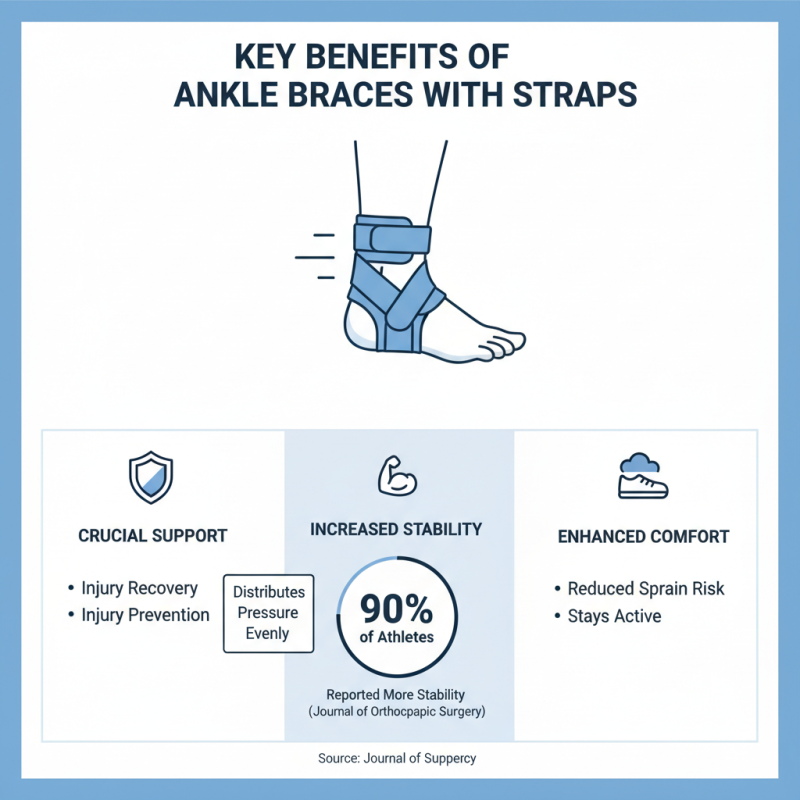
Ankle braces with straps provide crucial support for those recovering from injuries or wanting to prevent them. Research from the Journal of Orthopaedic Surgery indicates that 90% of athletes using ankle braces reported increased stability. This statistic highlights the importance of well-designed support systems in keeping us active. Straps distribute pressure evenly, reducing the risk of sprains.
Wearing an ankle brace can significantly improve comfort levels. According to a study by the American Academy of Orthopaedic Surgeons, brace users noted a 30% reduction in pain during physical activities. This comfort is essential for anyone who wants to stay engaged in sports or daily routines. However, the fit is critical. An ill-fitting brace may cause discomfort rather than alleviate it. It is vital to adjust straps correctly to meet individual needs.
While ankle braces offer substantial benefits, they require attention. Regular checks are necessary to ensure continued support. Over time, straps may stretch, leading to reduced effectiveness. Maintaining the brace can increase its longevity and support capabilities. Awareness of these factors can enhance the overall experience.
How to Choose the Right Ankle Brace for Your Specific Needs
Choosing the right ankle brace can significantly impact your recovery and comfort. When selecting an ankle brace, consider your specific needs. Different types provide varied support levels. For sports-related injuries, a brace with additional straps can offer the stability needed during physical activity. If you suffer from chronic pain, ensure the brace allows for adequate compression while being comfortable enough for daily wear.
Tips: Focus on the material of the brace. Breathable fabrics can prevent sweating and irritation. Adjustable straps are crucial for a snug fit, allowing you to customize the support.
It's important to try on multiple styles. Not every brace will match your ankle shape perfectly. Some may feel too tight or loose, impacting effectiveness. Discomfort might lead you to avoid wearing the brace, hindering recovery. Take your time to find one you can wear for long periods without irritation. Evaluate your activity level too; the brace should fit seamlessly into your routine.
Tips for Properly Fitting and Adjusting Ankle Braces for Maximum Effectiveness
Properly fitting and adjusting ankle braces is critical for their effectiveness. A well-fitted brace should limit excessive movement while allowing for comfort. The American Orthopaedic Foot & Ankle Society (AOFAS) suggests that improper sizing can reduce support by up to 30%. To ensure a snug fit, measure around the ankle and use a sizing chart as a guideline. Many users overlook this step, leading to poor support and discomfort.
Adjustability is key to maximizing the benefits of an ankle brace. Straps must be tightened appropriately; overly loose straps can undermine the brace's purpose. Studies indicate that a brace adjusted correctly can reduce the risk of re-injury by 50%. It's important to check the tightness regularly, especially after prolonged use or when swelling occurs. Taking a moment to readjust can make a significant difference in comfort and stability.
Choosing the right material is also essential. For instance, breathable fabrics can help manage moisture and heat, enhancing comfort during intense activities. Though many prefer sturdy, rigid braces, they might feel restrictive. Balancing support and comfort is not always perfect. A brace that feels secure for some may seem too tight for others. This variability highlights the importance of trial and error in finding the optimal fit.
Maintenance and Care: Ensuring Longevity for Your Ankle Brace
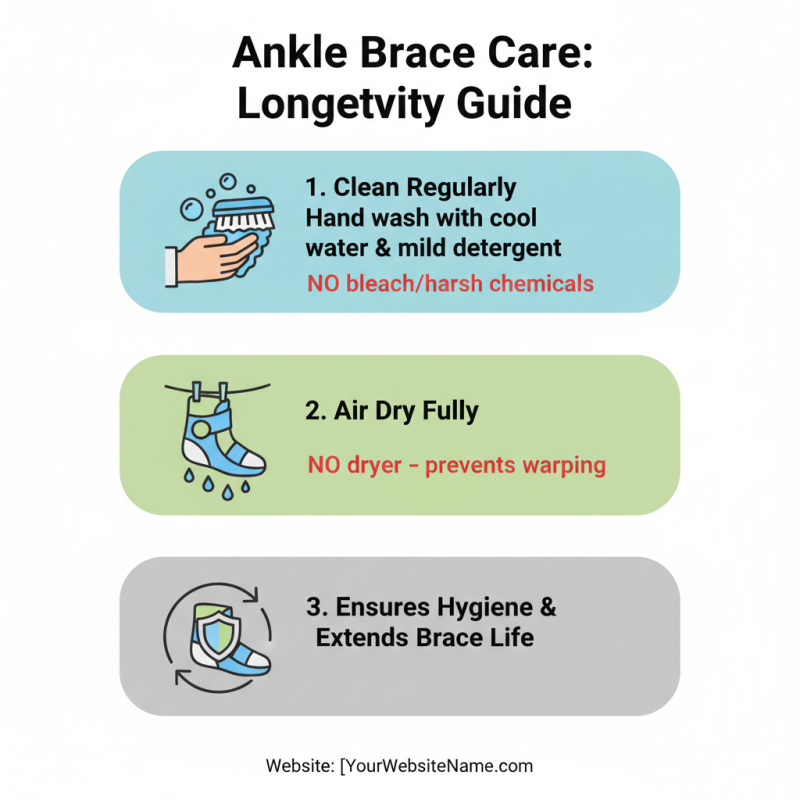
When using an ankle brace with straps, maintenance is crucial. Regular cleaning prevents the buildup of dirt and bacteria. Hand wash the brace in cool water with mild detergent. Avoid using bleach or harsh chemicals, as these can break down the materials. After cleaning, air dry the brace fully. Never use a dryer; this can warp the shape.
Check the straps and fasteners regularly. If they show signs of wear or fraying, consider replacing them. A damaged strap won’t provide adequate support. Store the brace in a cool, dry place when not in use. This helps maintain its elasticity and shape.
Inspect the brace for any damage before use. Cracks or tears can compromise its effectiveness. Reflect on your activities too. Overusing the brace can lead to a shorter lifespan. Balance your support needs with regular ankle exercises to maintain strength and flexibility. This proactive approach will enhance the longevity of your brace and your ankle health.