Top 5 Tips for Choosing the Best Foot and Ankle Brace?
Selecting the right Foot And Ankle Brace can significantly affect recovery and comfort. According to a report from the American Orthopedic Foot & Ankle Society, nearly 40% of individuals experience foot or ankle issues at some point in their lives. This statistic highlights the importance of choosing an effective brace. Dr. Emily Carter, a leading podiatrist, states, "A proper brace can make all the difference in rehabilitation."
When considering a Foot And Ankle Brace, several factors come into play. Features such as material, support level, and fit are crucial. A 2022 survey revealed that 75% of users preferred braces made from breathable fabrics for comfort. However, it's essential to reflect on personal needs, as not every brace suits every condition.
The market is saturated with options, and it can feel overwhelming. Some braces claim to provide support but may not deliver. That raises questions about effectiveness. Understanding individual requirements is key to making an informed choice. Always consult a healthcare professional to ensure you select the best brace for your condition.

Understanding the Purpose of Foot and Ankle Braces
Foot and ankle braces serve a vital role in providing support and stability. They are commonly used to treat injuries, relieve pain, and prevent future injuries. Understanding these braces requires more than just knowing their function. It involves knowing how they interact with the body. Proper alignment is key for mobility and overall foot health.
Different braces are designed for specific conditions. Some are intended for sprains, while others help with chronic issues like arthritis. Choosing the right one can be challenging due to the myriad of options available. Some may find a brace too restrictive, limiting freedom of movement. Others may feel unsupported if the brace is too loose. Finding the perfect balance is crucial.
It’s important to consult with a healthcare professional before making a decision. They can provide insights tailored to individual needs. Not every brace works for everyone. Getting the right fit is essential, and it can take time to find what feels best. Listen to your body. If a brace causes discomfort, reevaluate your choice. Prioritizing comfort and support can make all the difference in recovery and daily activities.
Top 5 Tips for Choosing the Best Foot and Ankle Brace
| Tip |
Description |
Considerations |
| 1. Understand Your Needs |
Assess the type of injury or condition to determine the level of support required. |
Consider consulting a medical professional for diagnosis. |
| 2. Check the Size |
Ensure the brace fits snugly without being too tight. Sizes vary by manufacturer. |
Refer to sizing charts for accuracy. |
| 3. Evaluate Material |
Consider breathable and lightweight materials for comfort. |
Check for elasticity and adjustability. |
| 4. Look for Reviews |
Research user reviews to gauge effectiveness and comfort. |
Consider the context of use in reviews. |
| 5. Consult a Professional |
Seek advice from a healthcare provider to ensure the brace meets your specific needs. |
Professional input can guide choice based on injury level. |
Identifying Different Types of Foot and Ankle Braces
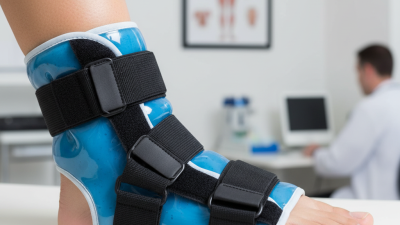
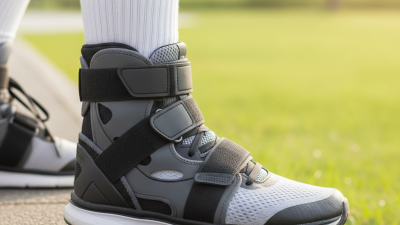
When it comes to selecting a foot and ankle brace, understanding the options available is crucial. There are several types of braces designed for various conditions. For instance, rigid braces provide maximum support for severe injuries. These are often used after surgeries or significant sprains. They limit movement, ensuring the ankle heals properly.
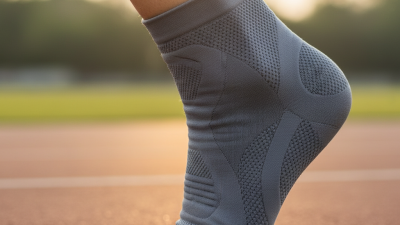
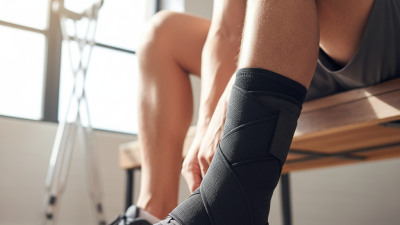
On the other hand, softer braces offer lighter support, ideal for minor injuries or preventive measures. These elastic options help stabilize the ankle during activities. They allow for more movement, which can be beneficial for athletes. However, they may not provide enough support for someone with a serious injury. Each type has its place, and choosing the wrong one could delay recovery.
It's worth noting that individual preferences and specific needs play a significant role in the decision. Some may prefer the sturdiness of a rigid brace, while others might find softer, more flexible models comfortable. Careful consideration of your lifestyle and the nature of your injury is necessary. Take your time evaluating options. Failing to understand the differences can lead to setbacks in recovery.
Assessing Material Quality and Comfort Features
Choosing the right foot and ankle brace can be challenging. Material quality plays a vital role in your comfort and support. Look for breathable fabrics that wick away moisture. This prevents sweat buildup, reducing irritation and chafing. Pay attention to padding. Extra cushioning can provide better shock absorption during movement.
Comfort features are equally important. Adjustable straps can help you find the perfect fit. A well-fitted brace will not only enhance support but also maintain circulation. Consider braces with ergonomic designs. They should mimic the natural shape of your foot. This added support can relieve pressure on sensitive areas.
Consider the weight of the brace too. A lighter brace may offer more versatility, especially if you plan to wear it for long periods. Always check for any signs of discomfort when trying new options. Your feedback matters. Reflect on how different materials and designs affect your experience.
Top 5 Features to Consider for Foot and Ankle Braces
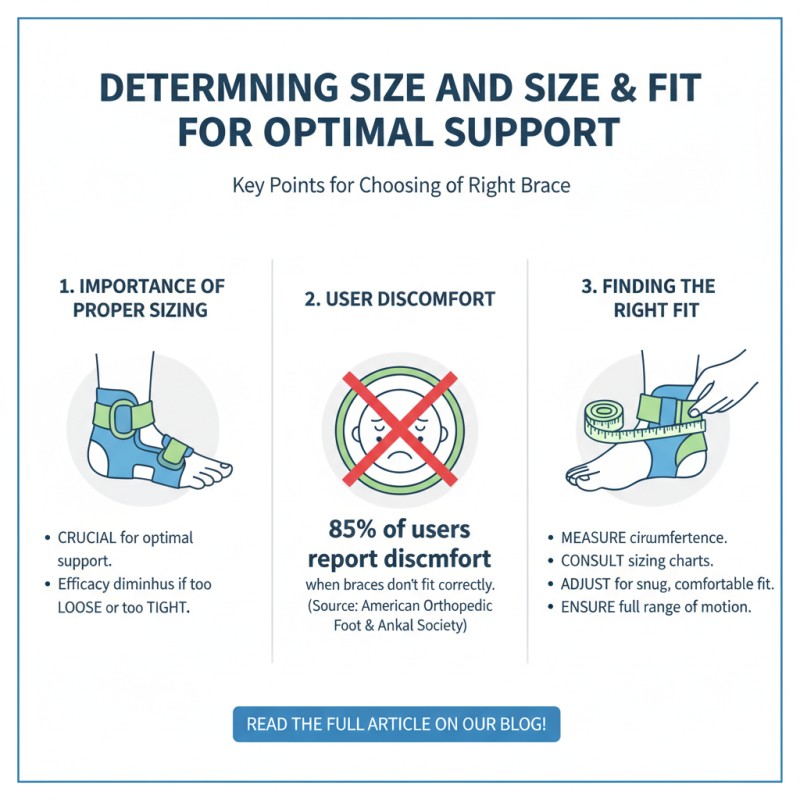
Determining Size and Fit for Optimal Support
Choosing the right foot and ankle brace requires careful consideration of size and fit. Proper sizing is crucial for optimal support. A Brace's efficacy diminishes if it is too loose or too tight. According to the American Orthopedic Foot & Ankle Society, up to 85% of users report discomfort when their braces do not fit correctly.
When measuring for a brace, use both length and width. Measurements should be taken while standing, as feet can expand under weight. Consider the specific purpose of the brace. For instance, braces designed for post-injury support may have different fitting requirements than ones meant for preventative use.
It's also essential to think about your activity level. A rigid brace may seem ideal for stability, but it can restrict movement. In contrast, a soft brace allows flexibility but may provide less support. A 2022 study indicated that around 40% of adults experience discomfort with rigid supports. Therefore, trying on multiple options in a controlled setting can be beneficial. Secure the brace properly and walk around for a few moments. This trial can reveal fit issues that static measuring cannot.
Consulting Healthcare Professionals for Recommendations
Choosing the right foot and ankle brace is crucial for effective support and recovery. Consulting healthcare professionals should be a priority in this decision-making process. These experts can offer personalized insights based on your specific needs and conditions. They understand the biomechanics of the foot and ankle, which helps in identifying the most suitable option for you.
When discussing your symptoms, be honest and detailed. Describe your pain or instability precisely. This information aids healthcare providers in making informed recommendations. They might suggest specific types of braces based on your activity level, age, and condition severity. Relying solely on online reviews or general advice can lead to confusion. Each foot and ankle issue is unique, and so is the necessary support.
Sometimes, the recommended brace may not feel comfortable initially. It’s important to listen to your body and reassess the fit and function. Don’t hesitate to follow up with your healthcare provider if adjustments are needed. Their expertise can help you navigate any discomfort and ensure that the brace truly supports your healing journey.