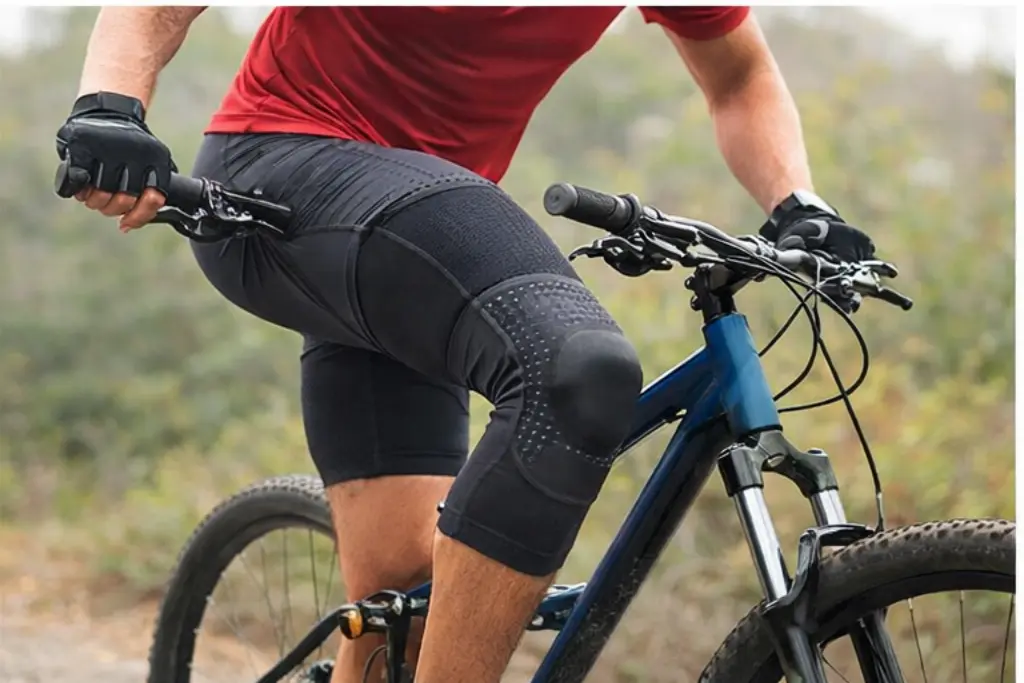
Many people with knee pain or discomfort turn to patellar straps, but the key conclusion is clear: Patellar straps cannot directly cure leg conditions—they only provide auxiliary support and symptom relief .
- Stabilize the patella: Reduce abnormal movement of the kneecap during activity, easing friction between the patella and tendons.
- Alleviate pressure: Distribute force on the patellar tendon, relieving pain from overuse or mild strain.
- Prevent further injury: Restrict excessive knee movement to avoid aggravating existing discomfort during sports or daily activities.
- Improve movement confidence: Provide a sense of support, helping users move more comfortably without intense pain.
Patellar straps fail to address the root cause of organic or acute leg issues, including:
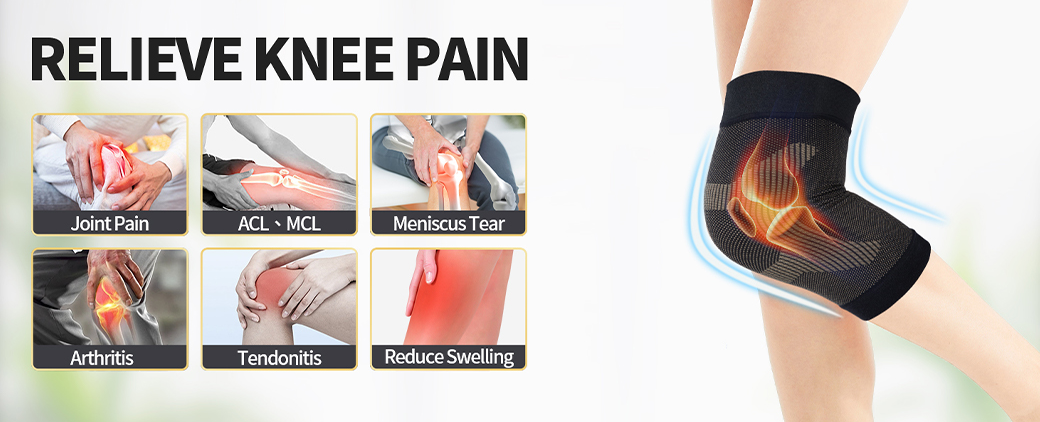
- Chronic conditions: Patellar tendinitis, chondromalacia patellae, knee arthritis, or meniscus injuries.
- Acute injuries: Knee sprains, ligament tears (e.g., ACL, MCL), fractures, or dislocations.
- Inflammatory diseases: Rheumatoid arthritis or gout affecting the knee. These conditions require professional medical intervention—medication, physical therapy, or surgery—to treat effectively.
- Select the right type: Basic elastic straps for daily use, adjustable compression straps for mild pain, and rigid-supported straps for post-injury recovery.
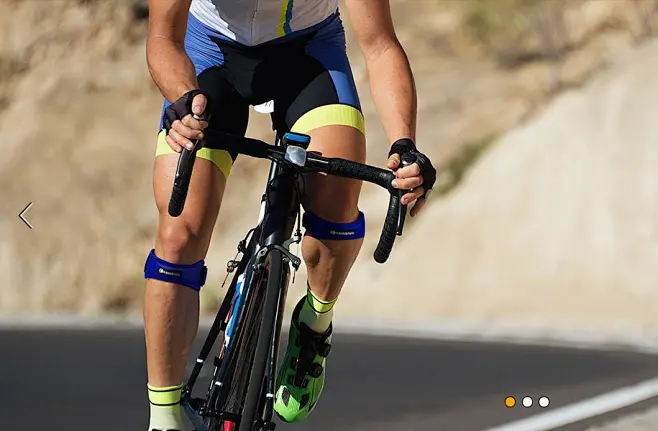
- Ensure proper fit: Snug around the knee (above the patella) without compressing blood vessels—too loose loses support, too tight restricts circulation.
- Avoid over-wearing: Remove during rest periods to prevent muscle weakness or poor blood flow from prolonged compression.
- Pair with treatment: Use as an auxiliary tool alongside a doctor’s plan, not a replacement for professional care.
Consult a doctor immediately if:
- Knee pain/swelling worsens after using a patellar strap.
- Symptoms like joint stiffness, limited movement, or sharp pain occur.
- Discomfort lasts over 1 week, or there’s obvious knee deformity/trauma.
Patellar straps are valuable for
Knee Support and pain relief, but they’re not a substitute for medical treatment. Choose the right strap, use it correctly, and rely on professional diagnosis for underlying leg conditions to ensure safe recovery.