Top 2025 Knee Brace For Arthritis Solutions You Need To Know
Knee osteoarthritis, a prevalent degenerative joint disease, affects millions of individuals globally, contributing significantly to disability and a decline in quality of life. According to the Global Burden of Disease Study, it is estimated that over 300 million people are affected by osteoarthritis, with the knee being one of the most commonly involved joints. As the population ages, the incidence of knee osteoarthritis is expected to rise, heightening the urgency for effective management strategies. Among these strategies, the use of a knee brace for arthritis has garnered increasing attention in both clinical practice and research settings.
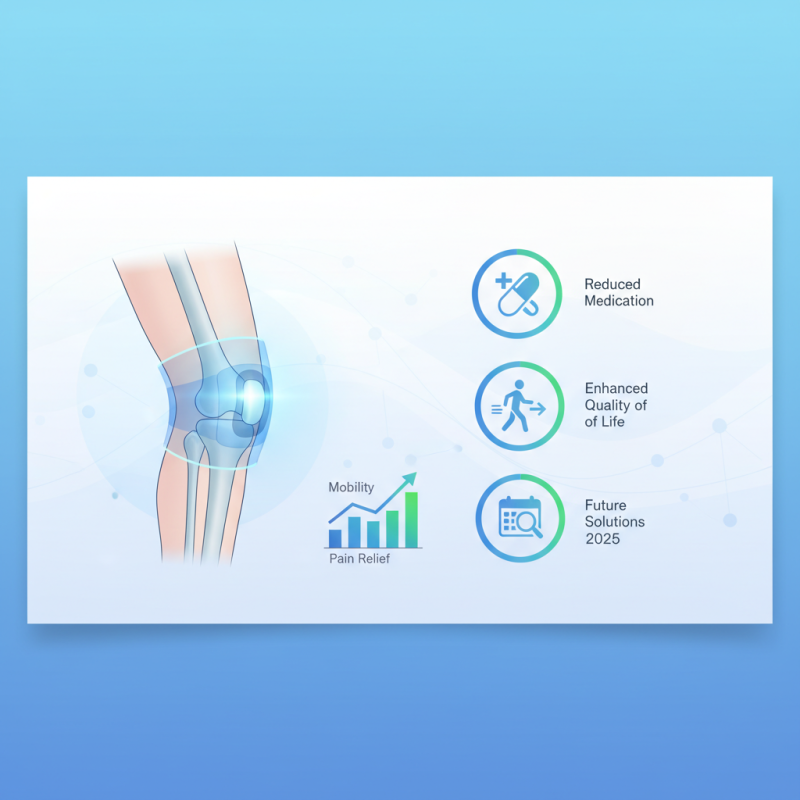
A knee brace for arthritis is designed to provide support, alleviate pain, and enhance mobility. Recent studies published in the Journal of Orthopedic Research have shown that knee braces can significantly reduce pain and improve function in patients with osteoarthritis. Furthermore, a systematic review highlighted that knee braces could lead to decreased reliance on pain medications, thus offering a non-invasive alternative for symptomatic relief. This introduction to the top 2025 knee brace for arthritis solutions aims to equip patients and healthcare providers with essential knowledge about effective management tools, promoting better outcomes for those affected by this chronic condition.
Overview of Knee Arthritis and Its Impact on Mobility
Knee arthritis is a degenerative joint condition that affects millions of people, leading to pain and stiffness in the knees. This condition can significantly impact mobility, making everyday activities challenging. Individuals with knee arthritis often experience difficulty in walking, climbing stairs, and even standing for prolonged periods. The pain associated with arthritis can discourage physical activity, which is essential for maintaining joint function and overall health.
To manage knee arthritis and its effects on mobility, it is crucial to explore effective solutions. Using a knee brace can provide the necessary support and stability, reducing stress on the joint while allowing for more comfort during movement. Additionally, regular low-impact exercises, such as swimming or cycling, can help improve strength and flexibility, which in turn may alleviate some of the discomfort associated with the condition.
Tips: Consider consulting with a healthcare professional before starting any new exercise program. They can provide personalized recommendations that suit your specific situation. Incorporating gentle stretches into your daily routine can also enhance mobility and facilitate better movement in the affected joint, making a significant difference in your quality of life.
Types of Knee Braces Available for Arthritis Relief
When it comes to managing arthritis in the knees, choosing the right knee brace can make a significant difference in comfort and mobility. There are several types of knee braces available, each designed to address specific needs and provide various levels of support.
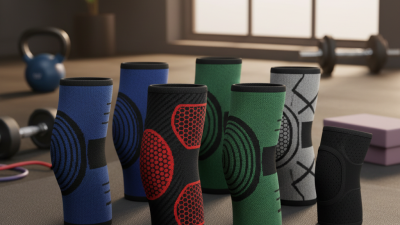
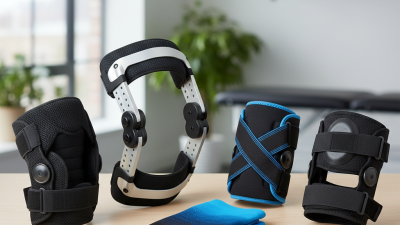
One common type is the sleeve brace, which offers compression and warmth, helping to reduce swelling and alleviate pain. This lightweight option is great for everyday wear and can enhance blood circulation around the joint.
Another popular choice is the hinged knee brace, providing more rigid support. Ideal for individuals with moderate to severe arthritis, it stabilizes the knee during movement while allowing for a range of motion.
Lastly, there are patellar stabilizing braces, which focus on keeping the kneecap aligned and reducing pain associated with patellar tracking issues.
Tips: When selecting a knee brace, consider trying on different styles to find one that feels comfortable and supportive. Additionally, consult with a healthcare provider to ensure you choose a brace that suits your specific condition. Proper fit is essential; a brace that is too tight can restrict blood flow, while one that is too loose might not provide adequate support.
Key Features to Look for in Knee Braces for Arthritis
When selecting a knee brace for arthritis, there are several key features that you should consider to ensure optimal support and comfort. The primary function of these braces is to alleviate pain and improve mobility, which is crucial for individuals suffering from osteoarthritis, a condition affecting approximately 30 million adults in the U.S. according to the Centers for Disease Control and Prevention. A well-designed knee brace should offer sufficient stability, often achieved through rigid or semi-rigid structures, which can help reduce joint stress during movement.
Additionally, breathability and comfort are essential features to look for. Many users report discomfort from wearing braces for extended periods, which can negatively impact compliance with recommendations for use. Reports indicate that breathable materials and adjustable straps contribute to a more comfortable fit, allowing for longer usage while still providing necessary compression and support. Furthermore, features such as lightweight designs and moisture-wicking capabilities enhance wearability, making them suitable for daily activities. Overall, the best knee braces will balance support, comfort, and adjustability, catering to the varied needs of individuals managing arthritis symptoms.
Top 2025 Knee Brace For Arthritis Solutions
This chart displays the effectiveness ratings of different types of knee braces for arthritis based on user feedback. Each category reflects user satisfaction levels on a scale from 1 to 10.
Benefits of Wearing a Knee Brace for Arthritis Management
Wearing a knee brace can significantly enhance the management of arthritis, providing essential support to the joints and alleviating pain. According to the Arthritis Foundation, nearly 54 million adults in the United States are diagnosed with arthritis, a condition that often leads to chronic pain and mobility issues. A well-fitted knee brace can help stabilize the joint, reduce swelling, and improve overall function, enabling individuals to engage more fully in daily activities.
Incorporating a knee brace into your routine can also lead to better outcomes. A study published in the Journal of Orthopaedic Research notes that patients with osteoarthritis reported a 30% improvement in pain levels while using knee braces compared to those without support. This reduction in discomfort not only enhances mobility but can also lower reliance on pain medications.
Tips: When selecting a knee brace, consider the level of support you need—ranging from mild compression sleeves to rigid braces for more severe cases. It’s essential to consult with a healthcare professional to find the right fit and type. Additionally, ensure that you wear the brace consistently during activities that put stress on the knee to maximize its benefits. Don't forget to combine brace use with physical therapy exercises to strengthen the surrounding muscles and improve stability.
How to Choose the Right Knee Brace for Your Needs
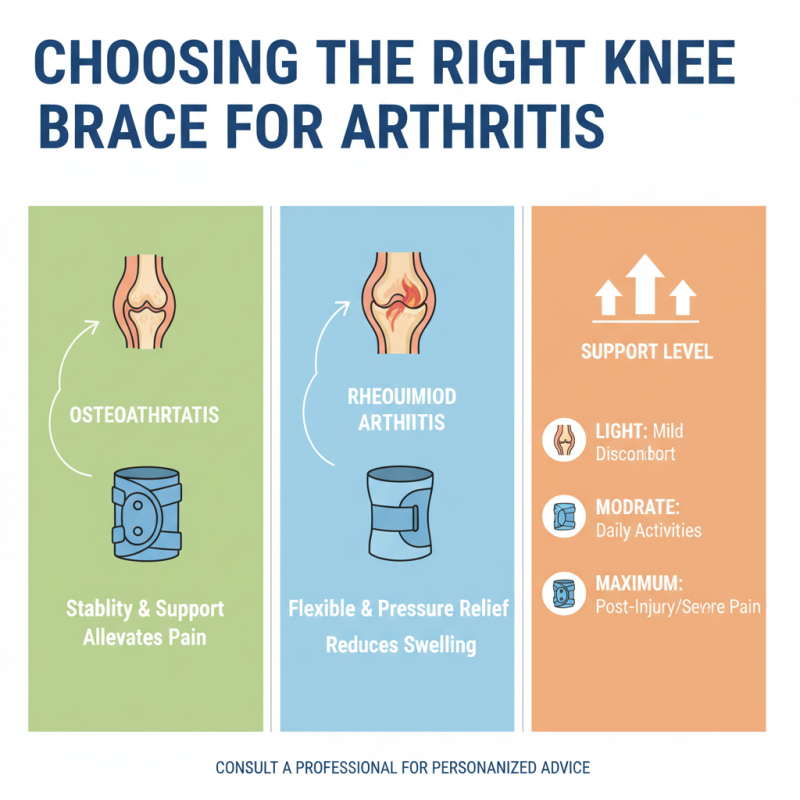
When choosing the right knee brace for arthritis, it is essential to consider several key factors that cater to your specific needs. First, assess the type of arthritis you have, as this will influence the type of brace that offers the most support. For osteoarthritis, a brace that provides stability can help alleviate pain and improve mobility, while for rheumatoid arthritis, consider a more flexible option that reduces pressure on the joints. Additionally, pay attention to the level of support you require—light, moderate, or maximum.
Tips: Always try the brace on before purchasing to ensure a proper fit, as comfort is paramount. Look for adjustable features that can accommodate swelling or changes in your condition. Lastly, consult with a healthcare professional to get personalized advice based on your specific health needs and lifestyle.
It is also important to consider the materials used in the knee brace. Breathable fabrics can increase comfort, especially for all-day wear, while neoprene offers warmth and support. Some knee braces also come with additional features such as gel pads or hinges that may provide enhanced support. Taking the time to evaluate these options can greatly impact your overall satisfaction and effectiveness of the brace in managing your arthritis symptoms.
Tips: Keep in mind that wearing a brace should not substitute for other treatments or therapies recommended by a healthcare provider. Regularly assess how your knee is feeling and make adjustments in support as necessary.