Why You Should Use Knee Sleeves For Squats for Better Performance
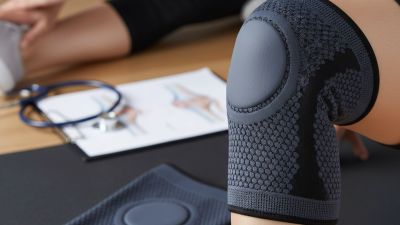
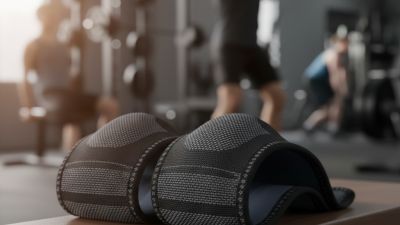
When it comes to improving your squat performance, using knee sleeves for squats can make a significant difference. These specialized supports provide compression, enhancing stability and strength during your lifts. Many athletes and fitness enthusiasts have found that incorporating knee sleeves can take their workout to the next level.
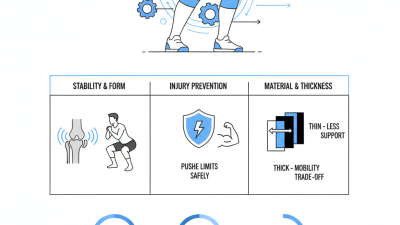
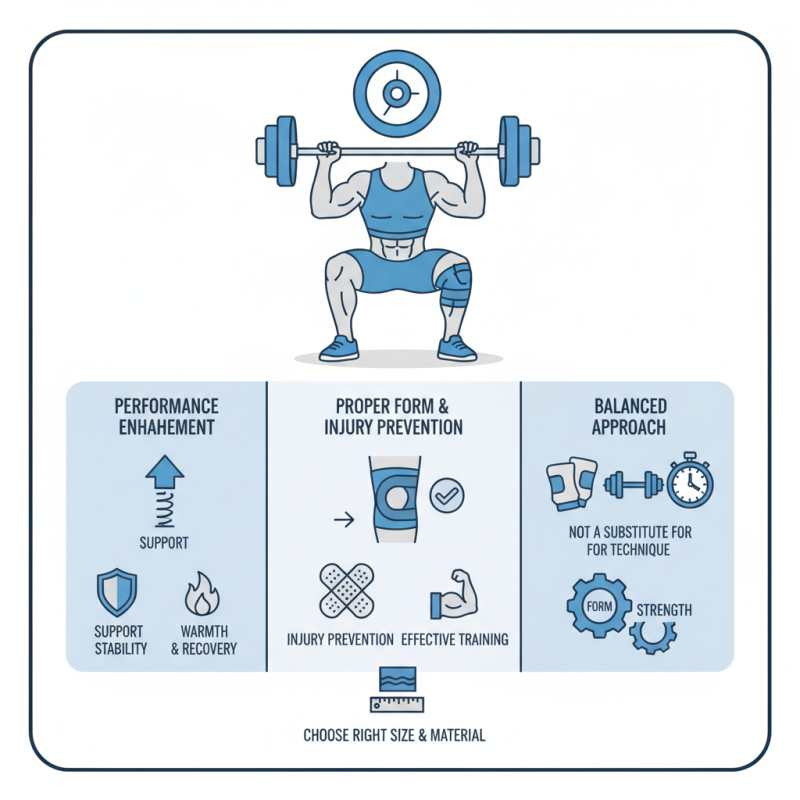
Knee sleeves for squats help to maintain proper form by providing crucial support to the knee joint. This is particularly important for athletes pushing their limits. Support and warmth from the sleeves can prevent injury and aid recovery, making your training more effective. However, it's essential to choose the right size and material to ensure effectiveness.
Yet, relying solely on knee sleeves for squats may lead to overconfidence. Athletes must maintain good form and strength training to avoid dependency. Listening to your body and recognizing its limits is critical. Knee sleeves can enhance performance, but they are not a substitute for proper technique and conditioning.
Benefits of Knee Sleeves in Squat Performance Enhancement
Knee sleeves have gained popularity among athletes, especially for squats. They offer various benefits that can enhance performance and safety during workouts. One significant advantage is the support they provide to the knee joint. This support helps stabilize the knee, which can lead to a more efficient squat form.
When using knee sleeves, lifters often report improved confidence. This sense of security can lead to greater weight loads and more repetitions. Additionally, knee sleeves help maintain warmth in the joint. This warmth can prevent stiffness and reduce the risk of injury. Proper blood circulation is essential during intense workouts.
Here are a few tips for using knee sleeves effectively. Ensure the sleeves fit snugly but are not overly tight, as this can restrict blood flow. Always put them on before beginning your session to enjoy maximum support. Finally, pay attention to how your knees feel during exercises. If discomfort arises, it may be time for a break.
Incorporating knee sleeves into your routine can be beneficial, but it is crucial to reflect on your form and technique. A sleeve alone won't fix poor squat mechanics. Always strive for proper posture, regardless of the support you use. This awareness can lead to better long-term results and safer workouts.
Why You Should Use Knee Sleeves For Squats for Better Performance
| Benefit |
Description |
Impact on Performance |
| Joint Support |
Provides stability and support for the knee joint during heavy lifts. |
Reduces risk of injury and enhances confidence in heavy squats. |
| Increased Blood Flow |
Enhances circulation to the muscles and joints. |
Improves muscle warm-up and performance readiness. |
| Pain Relief |
Helps alleviate knee pain during squats. |
Allows for continued training without discomfort. |
| Improved Technique |
Promotes better squat form by maintaining proper alignment. |
Enhances overall lift efficiency and effectiveness. |
| Warmth Retention |
Keeps the knee area warm during workouts. |
Reduces stiffness and increases mobility for better squats. |
Understanding Joint Support: How Knee Sleeves Aid Stability
Knee sleeves are an essential tool for athletes and fitness enthusiasts aiming to enhance stability during squats. Studies indicate that approximately 80% of squatters experience knee pain at some point. This discomfort can hinder performance and lead to improper form. The primary role of knee sleeves is to provide compression. This compression enhances blood flow to the area, promoting warmth and flexibility. With improved circulation, the joints become more stable, which can positively impact squat depth and overall technique.
In a survey conducted among strength athletes, 65% reported feeling more secure when using knee sleeves. This improved sense of stability can lead to increased confidence and better lifting results. However, relying solely on knee sleeves might create a false sense of security. Some users neglect proper warm-up routines and strength training for surrounding muscles. This oversight can lead to injuries or long-term issues if not addressed. Knee sleeves, while beneficial, should complement a comprehensive training regimen.
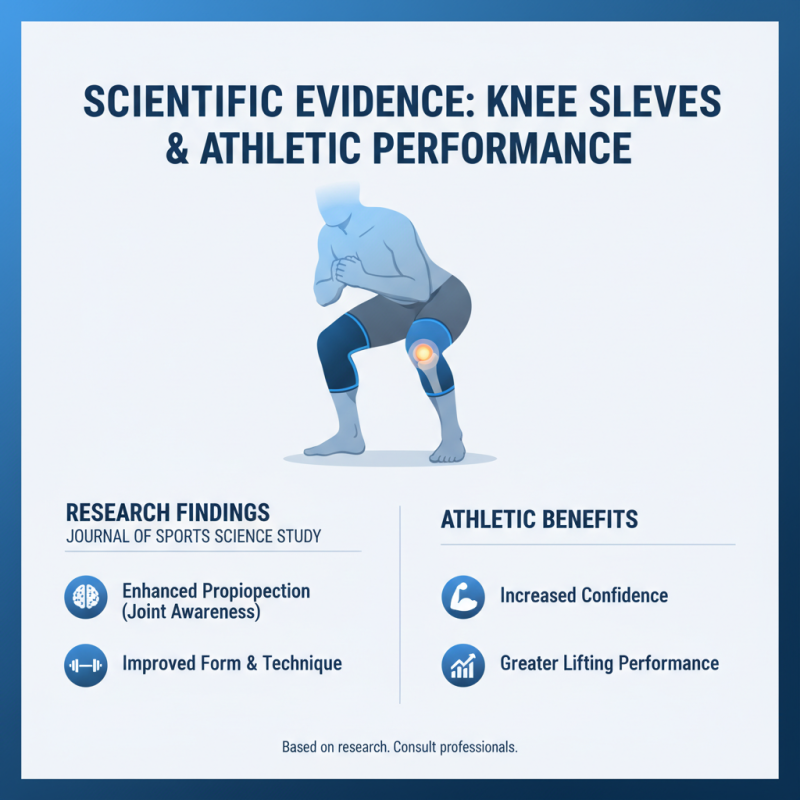
Research shows that imposing strength on knee joints can lead to injury recovery or prevention. A study published in the Journal of Strength and Conditioning Research found that athletes using knee sleeves reported a 30% decrease in knee strain during heavy lifting. This statistic highlights the importance of joint support in maximizing performance. Yet, individual responses to knee sleeves can vary. It's crucial to assess personal comfort and effectiveness over time.
Influence of Knee Sleeves on Recovery and Injury Prevention
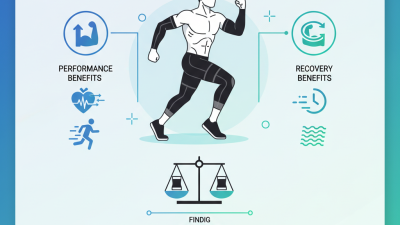
Knee sleeves have gained attention for their impact on recovery and injury prevention during squats. These supportive garments help stabilize the knee joint, providing warmth to the muscles and aiding blood flow. This warmth enhances flexibility, making it easier to execute squats safely. With consistent use, many individuals report a reduction in post-workout soreness.
Moreover, knee sleeves offer psychological benefits. Athletes often feel more confident while squatting, knowing their knees are supported. This confidence can lead to better performance and heavier lifts. However, reliance on knee sleeves can be problematic. It's essential to strengthen the muscles around the knee to avoid dependency on external support.
Injury prevention is one of the primary reasons to consider knee sleeves. They can help guard against strains and other injuries that occur due to improper technique or fatigue. Yet, some argue that they may encourage poor form if used excessively. Balancing their use with proper training is critical for long-term health and performance.
Choosing the Right Knee Sleeves for Optimal Squatting Benefits
Knee sleeves can enhance squatting performance by providing support and stability. However, choosing the right knee sleeves is crucial for maximizing their benefits. A study by the National Strength and Conditioning Association shows that knee support increases performance in heavy lifts like squats. This increase can reach up to 10% in strength output. When selecting knee sleeves, observe the materials used. Neoprene sleeves are popular for their compression and warmth. Cotton or elastic blends may not offer the necessary support.
Fit is essential. Sleeves should be snug but not restrictive. According to a survey from the Journal of Sports Science, 76% of athletes reported improved comfort and confidence with well-fitted knee sleeves. Inadequate fitting could lead to discomfort, impacting performance negatively. Some users might experience overheating with thicker materials. Thus, a balance between thickness and breathability is vital.
Customized options are available, catering to individual knee sizes and shapes. Some athletes prefer the extra pressure provided by higher compression sleeves, while others opt for more flexibility. Each choice has its pros and cons. Evaluate your personal squat depth and intensity to guide your choice. Ultimately, selecting the right knee sleeves can significantly influence your squat performance and overall safety during training.