Knee Brace For Pain Relief Which One Is Right For You
Knee pain is a common issue affecting millions globally. Research from the American Academy of Orthopaedic Surgeons indicates that 25% of adults experience knee discomfort. As a result, many seek solutions like a knee brace for pain relief. These devices can provide stability, support, and alleviate discomfort, particularly for those with conditions like arthritis or sports injuries.
Choosing the right knee brace for pain can be overwhelming. With various options available, identifying the most suitable one requires understanding your specific needs. Studies show that correctly fitted braces can reduce pain by up to 40% during activities. Their effectiveness often relies on both the condition being treated and the brace's design. However, not all braces are created equal; some may offer more support than others.
Reflecting on the complexities of knee braces, it’s essential to weigh their benefits against potential limitations. Some users report discomfort during long-term wear. Additionally, improper use might lead to diminished benefits. Therefore, consulting with a healthcare professional before selecting a knee brace for pain is crucial. Understanding your unique situation will guide you in making an informed decision.
Understanding the Types of Knee Braces for Pain Relief
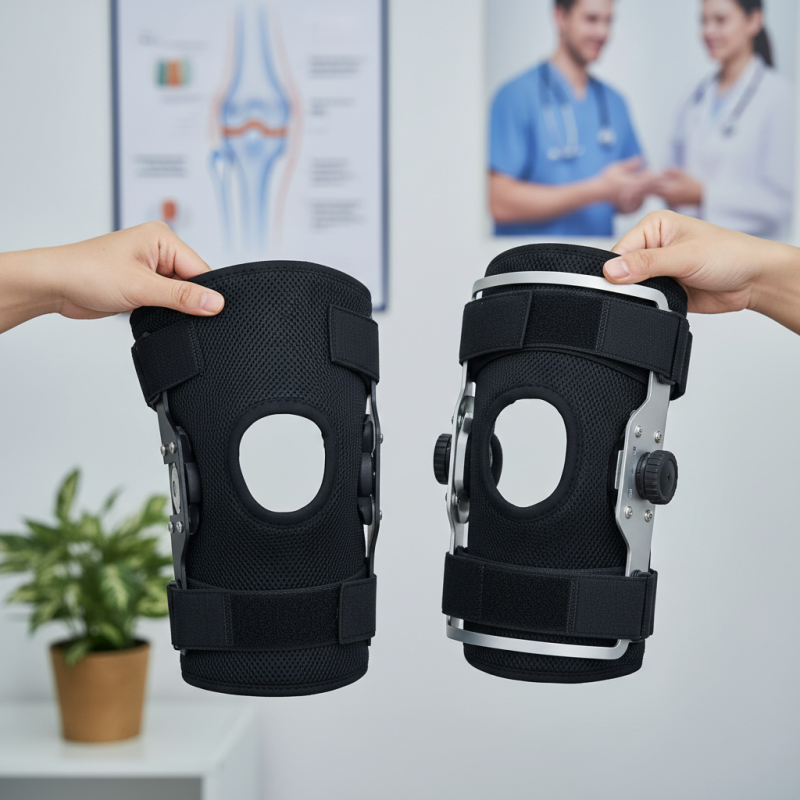
Knee braces can provide significant pain relief for various conditions. Understanding the different types available is crucial for finding the right fit. There are generally three categories: functional, rehabilitative, and prophylactic braces. Each serves a distinct purpose, and your specific needs will dictate the choice.
Functional braces offer support for injuries. Athletes often use them to stabilize the knee during activities. Rehabilitative braces help limit mobility after surgery. They aid in recovery while providing essential support. Prophylactic braces are designed to prevent injuries, especially in contact sports. They protect vulnerable knees from potential harm.
Choosing the correct brace involves understanding your lifestyle and pain level. Consulting a health professional can provide clarity. Sometimes, a brace might feel uncomfortable initially. Adjusting to it takes time and patience. Listening to your body is essential, and if discomfort persists, reevaluation is key. Each individual’s needs are different, and it may require trial and error.
The Role of Knee Braces in Alleviating Osteoarthritis Symptoms
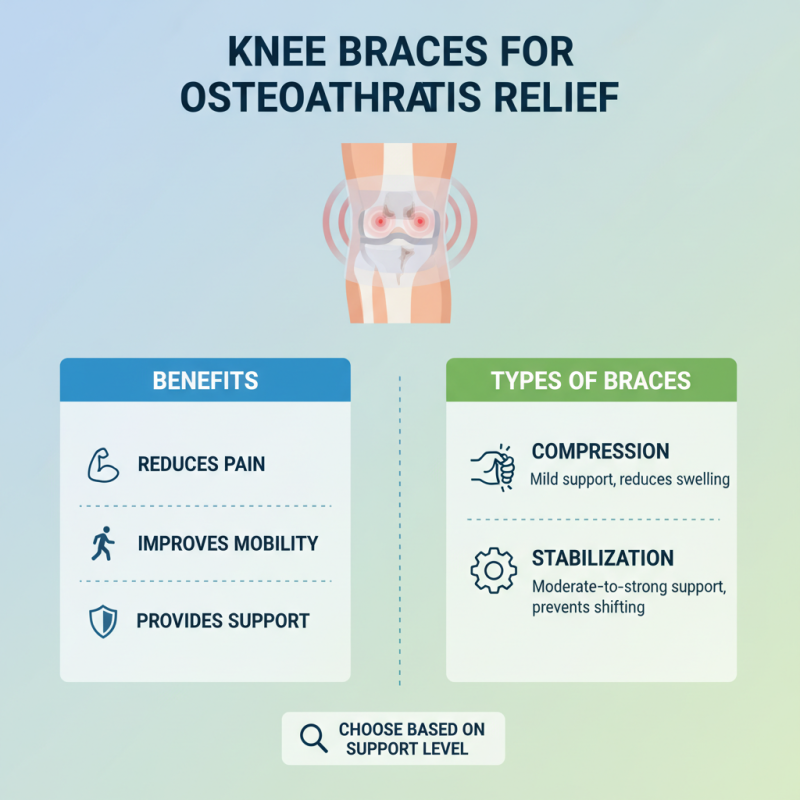
Knee braces can play a vital role in relieving osteoarthritis symptoms. Many individuals suffer from knee pain due to wear and tear on their joints. A supportive brace can reduce discomfort and improve mobility. When choosing a knee brace, consider the level of support you need. Some braces offer compression, while others provide stabilization.
Tips: Always consult a healthcare professional before selecting a brace. Individual needs may vary, and a personalized approach is best. Evaluate the fit of the brace. It should be snug but not restrict circulation.
Finding the right brace can be challenging. Users often report trial and error before discovering what works. Some may prefer a soft brace for mild support, while others need a rigid brace for severe instability. Comfort is essential; an uncomfortable brace can lead to frustration.
Remember, every person's experience is unique. Reflect on your daily activities and how knee pain affects them. This reflection can guide you in selecting the most suitable brace. Being proactive can greatly enhance comfort and mobility in daily life.
Assessing Support Levels: Functional vs. Rehabilitative Braces
When dealing with knee pain, choosing the right brace is crucial.
Two primary types are functional and rehabilitative braces.
Functional braces are designed for athletes. They provide stability during activities. Reports show these braces can reduce the risk of re-injury by up to 50%. They offer support and allow for a full range of motion.
Athletes often prefer these for their active lifestyle.
Rehabilitative braces serve a different purpose. They support the healing process post-injury or surgery. According to clinical guidelines, these braces limit movement to prevent further damage.
Research indicates that using rehabilitative braces can speed up recovery time by 30%.
Patients often report feeling more secure when using these braces. They help in performing daily tasks safely.
Understanding your needs is essential in making the right choice.
Selecting a brace should involve consideration of your specific situation.
The right level of support may vary based on activity and injury type. A thorough assessment is vital.
Seek advice from healthcare professionals who understand these products.
Their expertise can guide you to the most suitable option for your needs.
Key Features to Consider When Choosing a Knee Brace
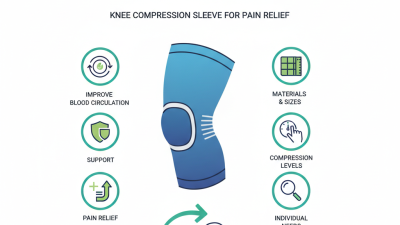
Choosing the right knee brace requires careful consideration of several key features. First, think about the level of support you need. Some bracing options provide moderate support for mild injuries, while others offer maximum stability for severe conditions. Understanding your specific requirements will guide you toward the best choice for your situation.
Another important feature is the material of the brace. A lightweight and breathable fabric will keep you comfortable during daily activities. Meanwhile, a moisture-wicking property can reduce irritation and help maintain optimal skin health. Pay attention to the fit as well. A well-fitted brace ensures effective support without being too tight or restrictive.
Lastly, consider any additional functionalities. Adjustable straps can provide a custom fit, accommodating for swelling or changes throughout the day. You may also want a brace that is easy to put on and take off, particularly after physical activities. Reflecting on these features will lead you to a knee brace that truly meets your needs.
Knee Brace For Pain Relief: Key Features to Consider When Choosing a Knee Brace
| Feature |
Description |
Recommended For |
| Support Level |
The amount of support a brace provides, ranging from mild to maximum. |
Individuals with varying degrees of knee instability. |
| Material |
The fabric used, which can affect breathability, comfort, and durability. |
Active individuals or those who sweat a lot. |
| Adjustability |
The ability to customize the fit, typically through straps or hinges. |
Users who require a precise fit for optimal support. |
| Size Range |
The range of sizes available to ensure a proper fit. |
People of all body types. |
| Design Type |
Style of the brace, such as sleeve, wrap, or hinged. |
Specific activity needs (e.g., sports, recovery). |
| Price Range |
Cost ranging from budget-friendly to premium options. |
Budget-conscious buyers. |
Clinical Studies Supporting Knee Brace Efficacy in Pain Management
Knee pain can significantly impact daily life. Many individuals turn to knee braces seeking relief. Clinical studies show that specific types can help alleviate discomfort. Research indicates that wearing a knee brace can stabilize the joint. This stabilization is crucial for those with ligament injuries or osteoarthritis.
One study found that patients reported a notable decrease in pain levels. Participants who used braces experienced improved mobility. The pressure from the brace supports the knee, reducing strain during movement. This effect allows individuals to engage in physical activities more comfortably. However, results can vary widely among users, and not every brace will work for everyone.
Choosing the right knee brace involves considering personal needs. Some may require additional support, while others prefer a lightweight option. An ill-fitting brace can lead to more discomfort. Consulting with healthcare professionals can provide tailored advice. It's essential to trial a few options to find the ideal fit for your condition.
Knee Brace Efficacy in Pain Management
This chart illustrates the percentage of pain reduction associated with different types of knee braces. Clinical studies show varying levels of effectiveness, indicating that the choice of knee brace can significantly impact pain management outcomes.