Why You Should Consider a Foot And Ankle Brace for Relief and Support?
Injuries and chronic pain can severely affect mobility. Many people overlook simple solutions for relief and support. A Foot And Ankle Brace can be a game changer. It offers stability and comfort when walking or engaging in daily activities.
This supportive device is designed to reduce pain and prevent further injury. Whether recovering from an ankle sprain or dealing with arthritis, it provides essential alignment. Yet, not everyone considers its benefits. Some might feel it limits movement or is uncomfortable. However, the right brace can actually enhance a person's quality of life.
Choosing a Foot And Ankle Brace requires careful thought. It’s crucial to find one that fits properly and meets individual needs. As with any medical device, there may be challenges in adapting to it. Reflecting on these factors can lead to better decisions and ultimately, more effective relief.
Understanding Foot and Ankle Braces: Types and Functions
Foot and ankle braces offer crucial support for various conditions. They can help alleviate pain and promote healing. Understanding the different types of braces is essential for making an informed choice.
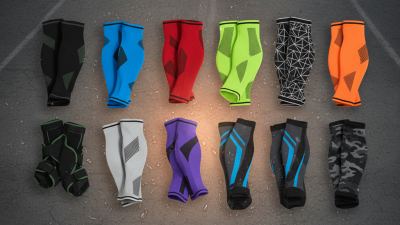
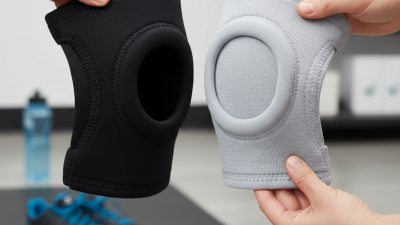
There are several types of foot and ankle braces. Rigid braces provide maximum stability. They often limit movement, which can be crucial for recovery. Soft braces offer flexibility while still providing support. They are less restrictive and better for daily activities. You might find a compression sleeve helpful for mild pain relief.
Choosing the right brace can be overwhelming. Each person's needs are unique. Consulting a healthcare professional can help clarify what you need. Sometimes, it’s about trial and error. In the end, the right brace can enhance mobility and improve quality of life.
Common Foot and Ankle Conditions Addressed by Braces
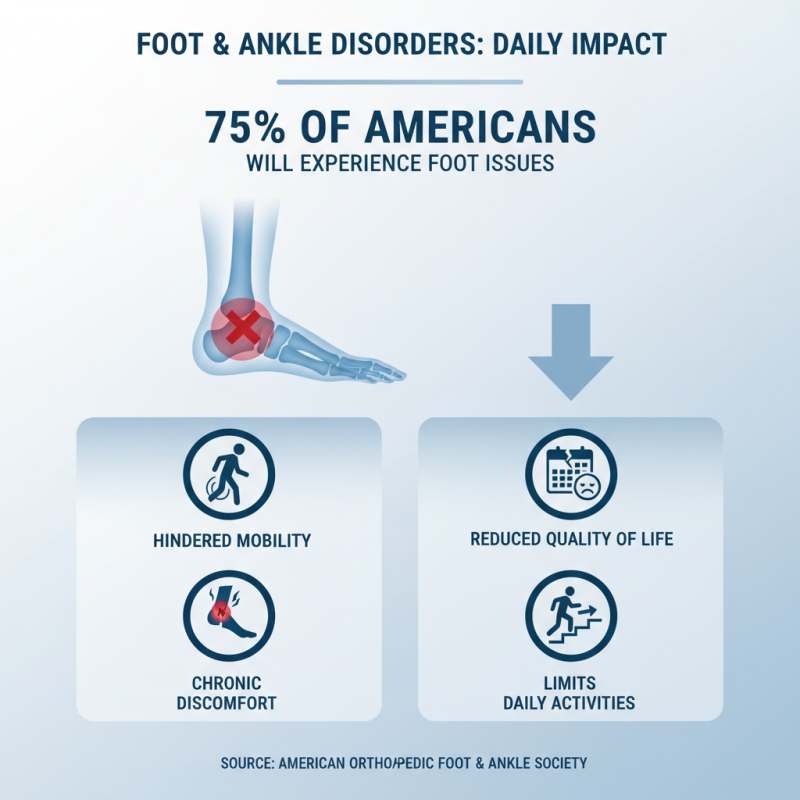
Foot and ankle disorders can severely impact your daily life. According to the American Orthopaedic Foot & Ankle Society, approximately 75% of Americans will experience foot issues at some point. These problems often lead to discomfort and hinder mobility.
Braces are an effective solution for various conditions. Plantar fasciitis is a common issue, causing pain in the heel and bottom of the foot. Ankle sprains are also frequent; roughly 23,000 occur daily in the U.S. A well-fitted brace can provide the necessary support to alleviate pain.
Here are a few tips: Always consult a healthcare professional before choosing a brace. Ensure that the brace allows for mobility but offers enough support. Don’t overlook the importance of proper fitting; it can make a significant difference. If the brace feels uncomfortable, reconsider your choice.
Another prevalent condition is tendonitis, which results from overuse. Braces can help alleviate strains on the tendons and promote healing. Remember that while braces provide support, they are not a substitute for targeted physical therapy. Reflect on incorporating both for complete recovery.
Benefits of Using a Foot and Ankle Brace for Support
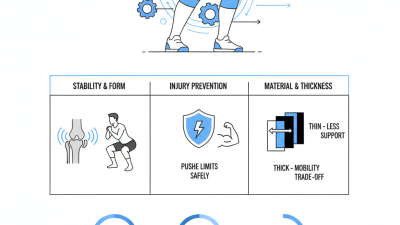
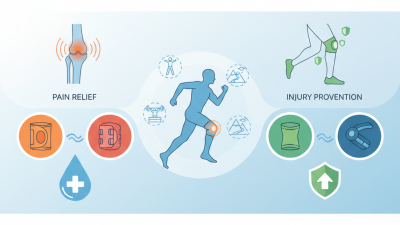
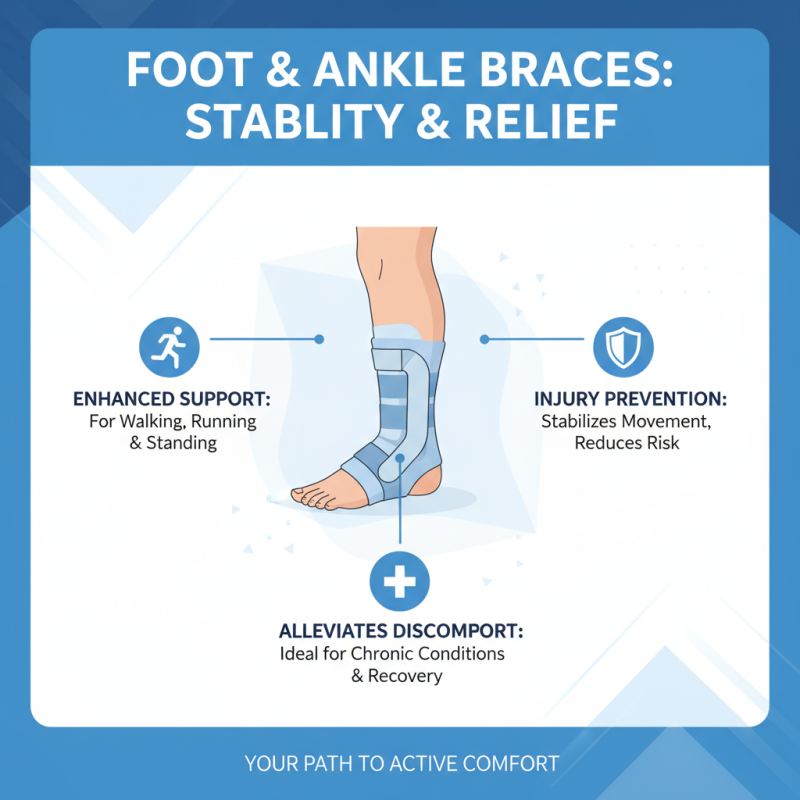
Foot and ankle braces are becoming increasingly popular for those seeking relief and support. These braces provide stability during movement. They are especially beneficial for people with injuries or chronic conditions. You can wear them while walking, running, or even just standing. This added support can prevent further injury.
One major benefit is pain relief. Many individuals report decreased discomfort when using braces. They can also limit excessive ankle motion, which helps with recovery. Another advantage is improved confidence. When you feel supported, you may move more freely. This can enhance your daily activities and physical engagement.
However, some may find braces uncomfortable initially. Adjusting to the fit can take time. It’s essential to choose the right type and size for your needs. Some people might also feel self-conscious wearing a brace, which can affect their mobility. It’s important to reflect on these feelings and consider how a brace can be a beneficial tool in your recovery journey.
How to Choose the Right Foot and Ankle Brace for Your Needs
Choosing the right foot and ankle brace requires careful consideration. Start by assessing your specific condition. Some braces are designed for stability, while others offer compression. Think about what you need most. Do you require support after an injury or ongoing comfort for a chronic issue?
Measure your foot and ankle accurately. A good fit is crucial for effectiveness. A brace that's too tight can cause discomfort. One that’s too loose may not provide adequate support. Consider materials as well. Breathable fabrics can enhance comfort during long periods of use.
Don’t underestimate the importance of trying on different styles. Personal preference plays a significant role. Some might find rigid braces uncomfortable, while others prefer them for added support. Reflect on what feels right and offers the best relief.
Proper Usage and Care for Foot and Ankle Braces
Foot and ankle braces can provide essential support and relief for various conditions. They help stabilize joints, reduce pain, and prevent injuries. According to a report from the Journal of Orthopedic Research, over 30% of people will experience a foot or ankle injury in their lifetime. Proper usage of these braces is crucial for maximum benefit.
When using a foot and ankle brace, ensure a snug yet comfortable fit. This prevents slippage during movement. Regular adjustments may be required as swelling varies throughout the day. Many users overlook this aspect, leading to ineffective support. It's essential to follow the manufacturer’s guidelines for duration of use. Some experts recommend wearing them for limited periods to allow for muscle engagement.
Care for foot and ankle braces is essential. Clean them regularly with mild soap and water. Avoid harsh chemicals that can degrade materials. Storing braces in a cool, dry place helps maintain their shape. Wearers often neglect these simple steps, leading to quicker wear and tear. Regular inspection for signs of damage can extend the life of the brace significantly.
Foot and Ankle Brace Benefits