Choosing the right sports brace can be challenging. Athletes often face an overwhelming array of options. Each sports brace serves a unique purpose, ensuring comfort and protection. Proper support can prevent injuries or help with recovery.
You must consider your specific sport and needs. For example, runners might need a knee brace, while basketball players may require ankle support. Look for features that align with your activity level. Some braces are lightweight, while others provide more stability. A good fit is crucial. A brace that is too tight can cause discomfort, while one that is too loose will not provide adequate support.
Research is key in this process. Read reviews and ask for recommendations from fellow athletes. Reflect on what features matter most to you. Your choices should prioritize durability and functionality. Ultimately, the right sports brace will enhance your performance and protect your body.
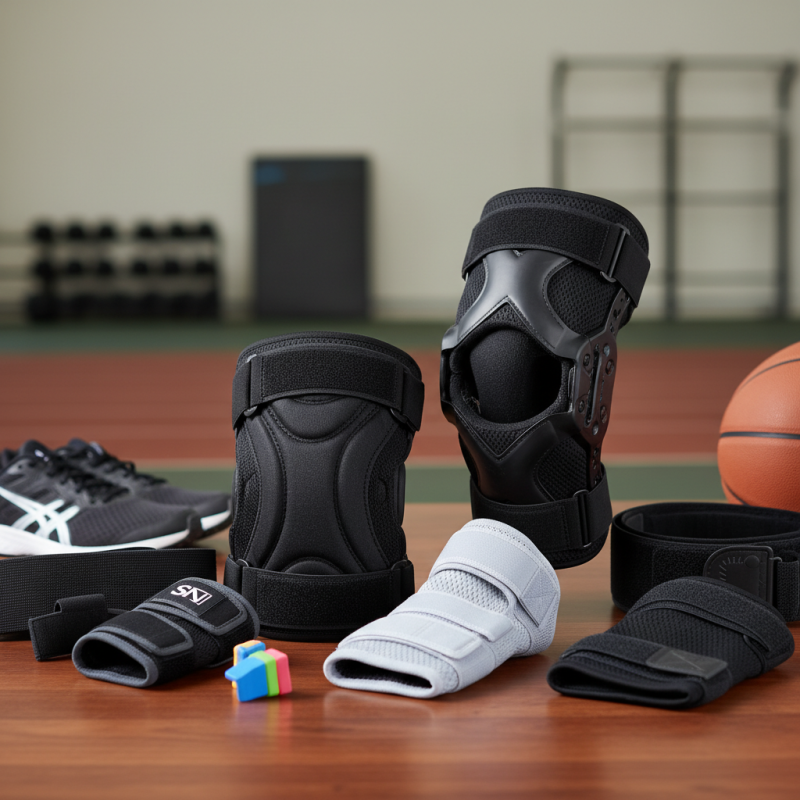
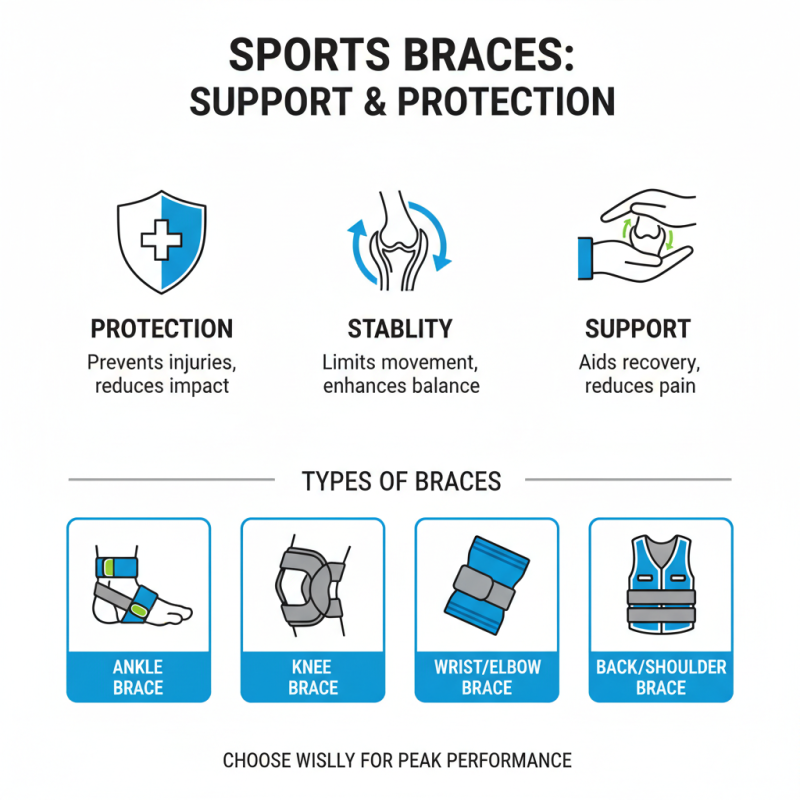
Sports braces serve various purposes. They provide support, stability, and protection during physical activity. Understanding the types of braces available is essential for making the right choice.
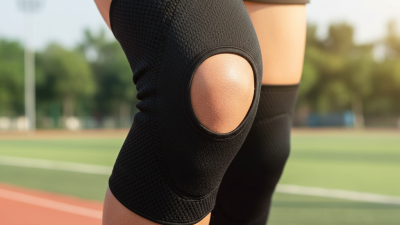
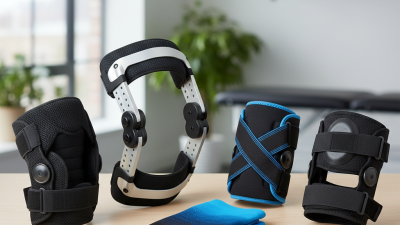
For instance, knee braces come in three categories: prophylactic, functional, and rehabilitative. A study in the Journal of Athletic Training found that functional braces can reduce the risk of re-injury for athletes recovering from ligament tears. On the other hand, ankle braces come in high-top or low-top designs. High-top braces offer better protection against sprains, making them popular among basketball players. However, they can restrict mobility.
Choosing the right brace is not always straightforward. It’s important to consider comfort and fit. A poorly fitted brace can cause irritation or inhibit movement. According to research, about 40% of athletes find their braces uncomfortable. This highlights the need to try them on before purchasing. Always consult a professional for tailored advice, as every athlete’s needs are different.
Choosing the right sports brace requires careful consideration of your specific needs. Different activities demand different levels of support and protection. For example, if you’re involved in high-impact sports like basketball, your brace should provide maximum stability. A report from the American Journal of Sports Medicine shows that 30% of basketball players experience ankle injuries. Selecting a brace that targets this area can significantly reduce the risk of future injuries.
Injuries also play a crucial role in your decision-making. If you're recovering from a knee injury, a brace designed for post-operative support may be necessary. The National Institute of Health states that proper immobilization can enhance recovery by 40%. However, some individuals report discomfort or restricted movement due to incorrect brace choices. This highlights the importance of trying on different styles and fit.
Lastly, seek professional advice when uncertain. A physical therapist can assess your needs. They provide insights into which features matter most for your activity. Remember, the goal is to improve function while ensuring safety. Be prepared to experiment until you find what works best for you.
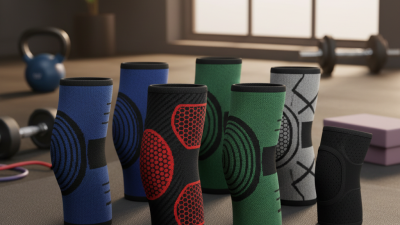
When choosing the right sports brace, evaluating the material is key. Braces made from breathable fabrics can greatly enhance comfort levels. According to a study by the American Orthopedic Society for Sports Medicine, over 70% of athletes reported discomfort due to improper material choices. This is critical; if a brace feels too hot or itchy, it may be left unworn.
Design also plays a vital role. A well-designed brace should support your movement without restricting it. The National Athletic Trainers' Association states that a brace’s fit needs to be snug yet flexible. Those that are too loose may cause slippage, leading to injury. Conversely, overly tight designs can lead to chafing and irritation.
Personal experiences vary widely. Some users find that simple adjustments to the strap placement greatly enhance comfort. Others still struggle with fit. Trying on different designs before purchasing can save time and discomfort down the line. Taking the time to find the perfect combination of material and design is essential for any athlete at any level.
Choosing the right sports brace is crucial for your performance and safety. A proper fit can significantly impact your comfort and mobility. Data from sports injury studies indicate that improper brace fit can lead to increased injury risk by up to 30%. This statistic highlights the importance of assessing both size and fit in your selection process.
When selecting a brace, it’s essential to consider your body measurements carefully. Many users overlook this aspect, leading to suboptimal support. A poorly fitting brace can restrict movement or provide inadequate protection. The American Journal of Sports Medicine emphasizes that a snug fit enhances stability while allowing for necessary range of motion. Taking time to evaluate your needs is vital.
Moreover, try out different styles and materials to find what works best for you. Each athlete has unique needs, and what fits one person well may not work for another. The effectiveness of a brace is often compromised when fit isn’t prioritized. In fact, many athletes have reported dissatisfaction simply because they chose the wrong size. Taking a moment to reflect on your choices may lead to better, safer outcomes on the field.
| Tip Number | Tip Description | Importance of Fit | Size Considerations |
|---|---|---|---|
| 1 | Assess your specific needs for protection and support. | Critical for injury prevention. | Measure accurately to ensure proper fit. |
| 2 | Check the material quality of the brace. | Affects durability and comfort. | Consider thickness and elasticity. |
| 3 | Look for braces with adjustable features. | Allows for a customized fit. | Size may vary with adjustment. |
| 4 | Consider the level of activity you'll be doing. | Different activities require varying support. | Select sizes that match your activity level. |
| 5 | Seek recommendations from healthcare professionals. | Expert input ensures proper choice. | Size guidance may be provided by professionals. |
| 6 | Read reviews from other users. | Insights on fit and performance. | Consider size fits reported in reviews. |
| 7 | Test the brace for comfort and mobility. | Essential for effective use. | Ensure sizes allow a full range of motion. |
| 8 | Understand the return and exchange policy. | Allows correction for poor fit. | Size adjustments may be necessary. |
| 9 | Evaluate the price against your budget. | Ensure you get value for money. | Size can affect pricing. |
| 10 | Consult with a coach or trainer. | Get insights into specific needs. | Professional opinions on appropriate sizing. |
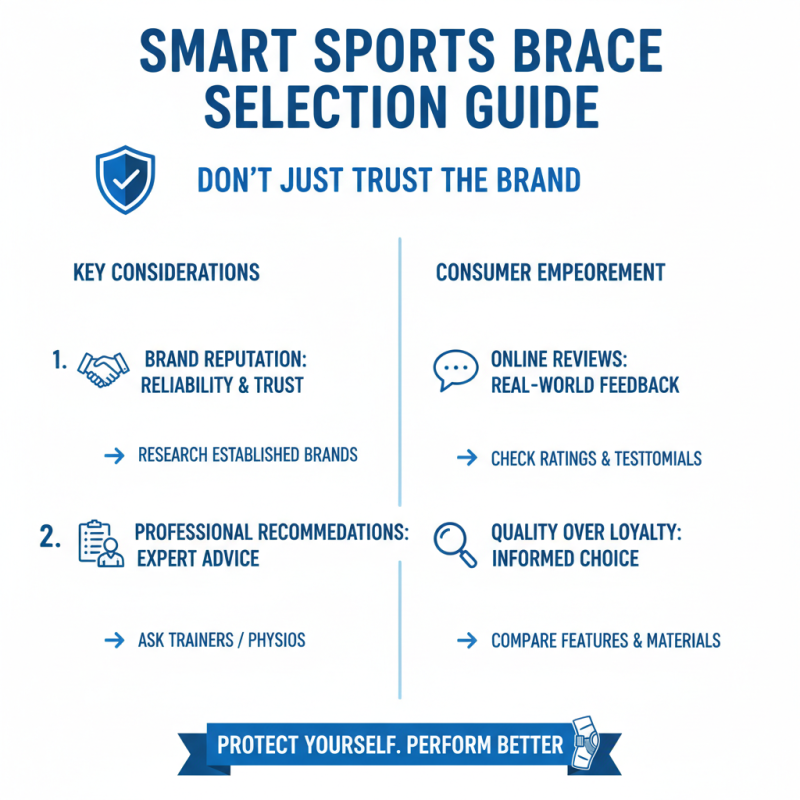
When selecting a sports brace, it’s crucial to consider brand reputation and professional recommendations. Many consumers rely on brands they trust. However, brand loyalty doesn’t always guarantee quality. Research online reviews and ask for opinions from trainers or physiotherapists.
Tip: Look for user feedback on comfort and fit. A brace that doesn’t fit well can lead to injuries. Professional recommendations can guide you towards effective options. Seek advice from medical professionals who understand your specific needs. They can share which brands are reliable and effective.
Tip: Consider the materials used in the brace. High-quality materials offer better support and durability. Poor material choices may cause discomfort or wear out quickly. Reflection on personal experiences with different materials can help in decision-making. Keep in mind that what works for one person may not work for you.