5 Essential Tips for Choosing the Right Sports Leg Brace for Your Needs
Choosing the right Sports Leg Brace can greatly influence an athlete's performance and recovery. Renowned physical therapist Dr. Emily Parker, an expert in sports rehabilitation, emphasizes the importance of customization in leg braces. She states, “A proper Sports Leg Brace should not only support the injured area but also allow for a full range of motion, which is vital for optimal recovery.” This statement underscores the need for careful consideration when selecting a brace that suits individual needs.
When faced with a variety of options, the challenge is to find a Sports Leg Brace that aligns with both the specific injury and the athlete's activity level. Understanding the types of braces available, their functionalities, and how they interact with one's biomechanics is essential. Each athlete's journey is unique, and the right support mechanism can play a crucial role in both performance enhancement and injury prevention.
In this guide, we will explore five essential tips that will help you navigate the selection process of a Sports Leg Brace. By focusing on these critical factors, you can ensure that you choose a brace that not only aids in your recovery but also enhances your overall athletic performance.
Understanding the Purpose of Sports Leg Braces and Their Benefits
Sports leg braces serve a crucial role in enhancing performance and preventing injuries during physical activities. They are designed to provide support and stabilization to the knee, ankle, or other areas of the leg that may be prone to stress or injury. By limiting excessive movement and providing compression, these braces help athletes maintain proper alignment and contribute to faster recovery from previous injuries. Understanding the specific benefits of leg braces can guide individuals in selecting the right one for their circumstances.
In addition to injury prevention, sports leg braces can also offer pain relief for existing conditions such as ligament tears or chronic joint issues. By redistributing weight and reducing strain on affected areas, they can allow athletes to engage in their activities with more confidence and less discomfort. Furthermore, many modern leg braces are designed with lightweight materials and ergonomic features to ensure they do not hinder motion, allowing for better performance without sacrificing protection. Therefore, recognizing how leg braces function can greatly enhance one’s athletic experience and overall safety.
Identifying Your Specific Injury or Condition for Proper Support
When selecting the right sports leg brace, understanding your specific injury or condition is paramount to receiving the optimal support you need. According to a report from the American Academy of Orthopaedic Surgeons, approximately 25% of all sports injuries are related to the knee, making it essential to assess the specifics of any knee pain, ligament strain, or deformity before purchasing a brace. The brace you choose should directly respond to your condition—whether you're dealing with ligament injuries like ACL tears, patellar tendinitis, or residual pain from an old injury.
Different injuries require different types of support. For instance, a study published in the Journal of Athletic Training highlights that individuals with ACL injuries benefit significantly from functional bracing, which helps stabilize the knee without restricting movement during sports activities. Conversely, chronic conditions such as arthritis may necessitate a more rigid brace that can provide additional joint support and pain relief. By identifying your unique injury and understanding its implications, you can select a brace that not only alleviates discomfort but also enhances your performance and confidence in sports.
Evaluating Different Types of Sports Leg Braces Available
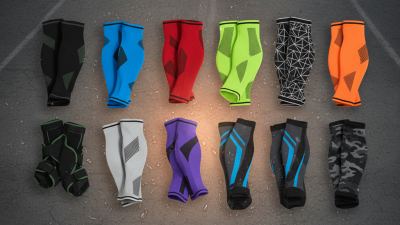
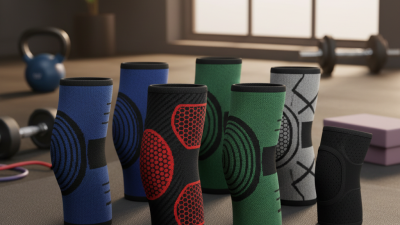
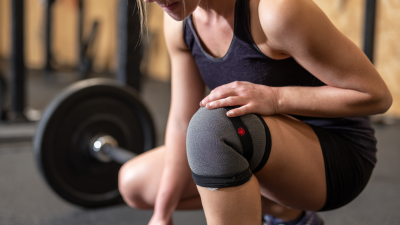
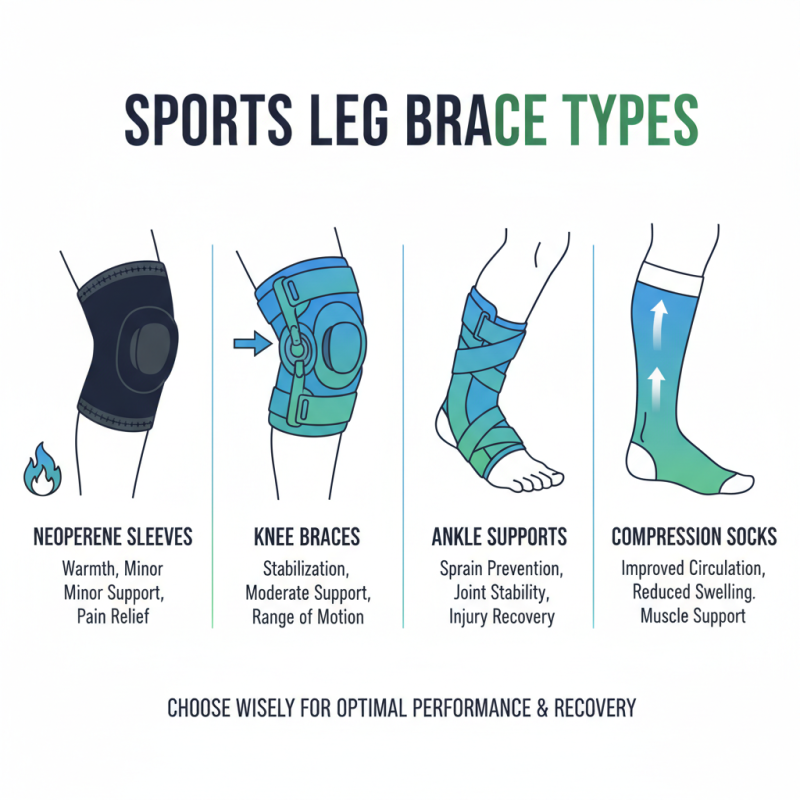
When selecting a sports leg brace, it's essential to understand the different types available, as each serves distinct purposes and is designed for various conditions. The most common types include neoprene sleeves, knee braces, ankle supports, and compression socks. Neoprene sleeves offer minimal support but provide warmth and pain relief, making them suitable for minor injuries or prevention during less intense activities. On the other hand, knee braces can vary in support levels, from those that stabilize the knee joint to those that allow for a full range of motion while providing moderate support to alleviate discomfort.
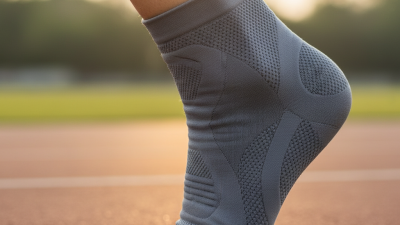
Ankle supports are particularly important for athletes prone to sprains or repetitive motion injuries; they often feature adjustable straps or rigid structures to enhance stability during dynamic movements. Compression socks, while not a brace in the traditional sense, are also significant for athletic performance and recovery, as they improve blood circulation and reduce muscle fatigue. Choosing the right type involves evaluating your sport, injury history, and the level of support required, ensuring you maintain both performance and safety while remaining active.
Considering the Fit and Comfort Level of the Brace
When selecting a sports leg brace, one of the most crucial factors to consider is the fit and comfort level of the brace. A study published in the Journal of Sports Rehabilitation indicates that improper fit can lead to decreased performance and increased risk of injuries, with 30% of athletes reporting discomfort when using poorly fitted braces. Ensuring that the brace fits snugly without being restrictive is essential for maximizing mobility and effectiveness during athletic activities.
The comfort of a leg brace is determined by various factors, including material, padding, and adjustability. According to a report by the American Orthopedic Society for Sports Medicine, 65% of athletes state that comfort significantly influences their likelihood of consistently wearing a brace during practice and competitions. Choosing braces made from breathable, moisture-wicking materials can enhance comfort levels, particularly during extended use. Additionally, adjustable straps and custom fit options can ensure that the brace conforms closely to the unique shape of the wearer’s leg, thus reducing the chances of slippage and irritation while engaging in sports activities.
5 Essential Tips for Choosing the Right Sports Leg Brace for Your Needs
| Tip |
Description |
Fit Considerations |
Comfort Level |
| 1. Assess Your Activity Level |
Choose a brace suitable for your specific sport or activity intensity. |
Ensure the brace has adjustable straps for a customized fit. |
Look for breathable materials to enhance comfort during use. |
| 2. Evaluate Injury Type |
Select a brace that addresses your specific injury or prevention needs. |
Consider the size and support level required for your injury. |
Choose padding options to reduce irritation on sensitive areas. |
| 3. Check Material Quality |
Select high-quality materials that provide both support and flexibility. |
Ensure the brace offers a snug fit without being too constricting. |
Opt for moisture-wicking fabrics for prolonged comfort. |
| 4. Look for User Reviews |
Research user experiences to gauge the effectiveness of the brace. |
Find feedback regarding fitting issues and adjustments. |
Check what users say about comfort during activity. |
| 5. Consult with a Professional |
Seek advice from a healthcare professional for personalized recommendations. |
Get fitted by a specialist to ensure proper fit. |
Understand what features are important for maximizing comfort. |
Consulting with a Medical Professional for Tailored Recommendations
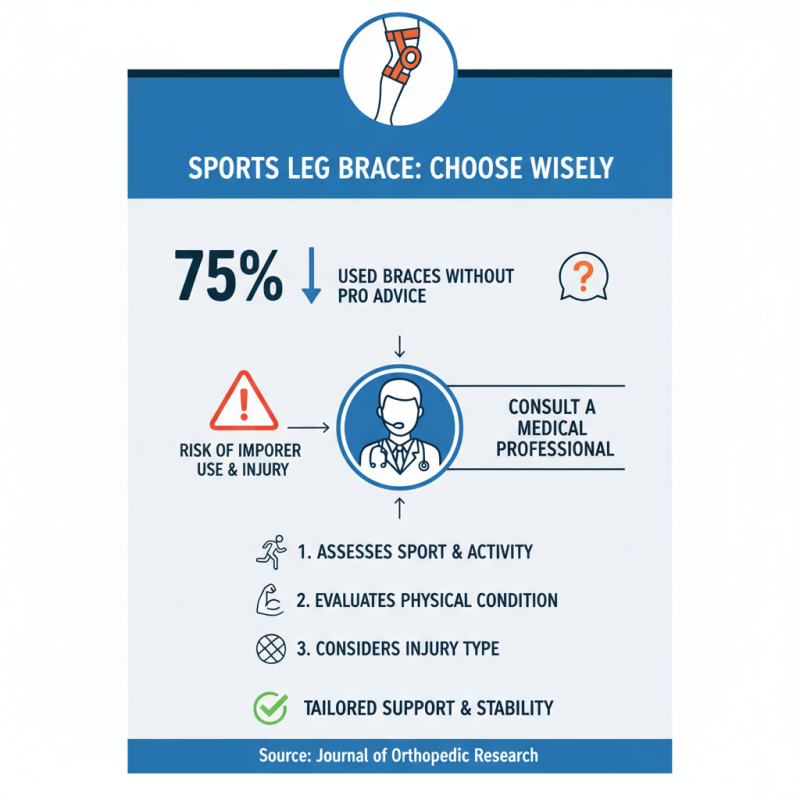
When choosing the right sports leg brace, consulting with a medical professional is crucial. According to a study published in the Journal of Orthopedic Research, nearly 75% of individuals using braces did so without professional advice, which can lead to improper usage and increased risk of injury. A healthcare provider can assess your specific needs, taking into account the type of sport you engage in, your physical condition, and the nature of any injuries. This tailored approach ensures that the brace you select will provide the best support and stability for your activities.
Tips for effectively collaborating with your healthcare provider include discussing your primary activities and any past injuries in detail. This information helps them recommend appropriate braces. Additionally, inquire about the various types of braces available, their materials, and fitting options. According to the American Medical Society for Sports Medicine, using a properly fitted brace can reduce the risk of recurrence in sports-related knee injuries by up to 30%. Don't hesitate to ask for a trial period if possible, as getting a feel for the brace during your sport can make all the difference in your performance and confidence.