Why Are Compression Sleeves Essential for Athletes Health and Recovery?
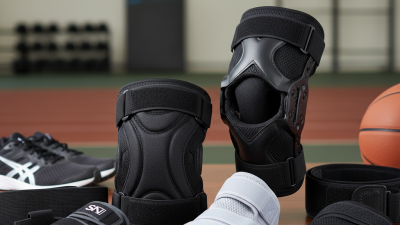
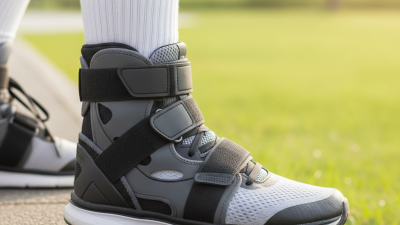
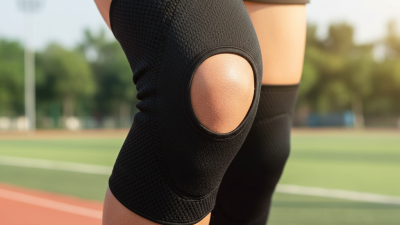
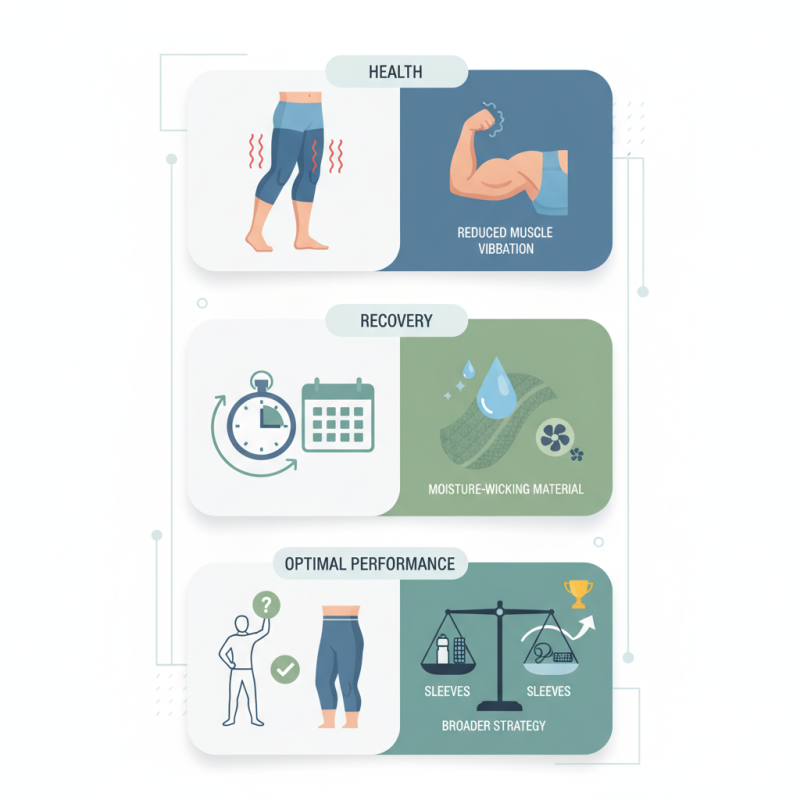
Compression sleeves have become an essential tool in the athletic community. Athletes rely on these garments for improved health and recovery. The snug fit of compression sleeves applies targeted pressure to specific muscle groups. This helps enhance blood circulation and reduces muscle vibration during intense workouts.
With improved circulation, athletes may experience faster recovery times. The materials used in compression sleeves wick away moisture. This keeps muscles dry and comfortable even during the toughest training sessions. However, some athletes may overlook the importance of proper fit. A poorly fitted sleeve can lead to discomfort or hinder performance.
While compression sleeves are beneficial, they are not a cure-all. Athletes should not solely rely on them for recovery. Integrating them into a broader recovery strategy can lead to better results. The need for balance and mindfulness about their use is essential. Ultimately, compression sleeves can play a significant role in an athlete's journey towards optimal performance.
The Role of Compression Sleeves in Athletic Performance Enhancement
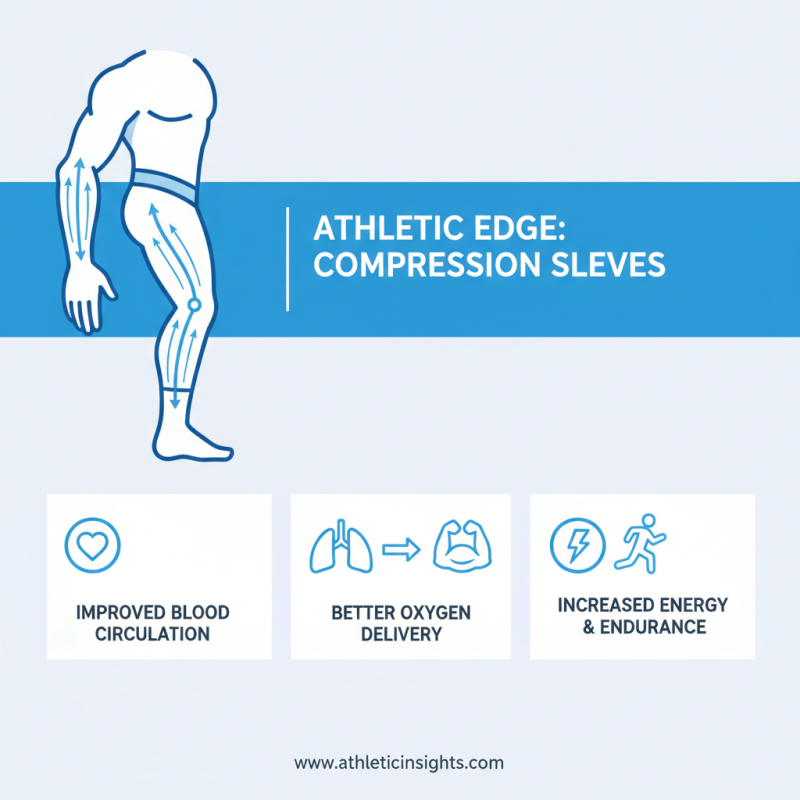
Compression sleeves have become popular among athletes. They offer several benefits that enhance athletic performance. By providing graduated compression, these sleeves improve blood circulation. Enhanced circulation leads to better oxygen delivery in the muscles. Athletes often report feeling more energized during their workouts.
Moreover, compression sleeves help reduce muscle vibration. This reduction can decrease fatigue during intense activities. Less fatigue can lead to improved endurance over time. Some athletes struggle with muscle soreness after exercise. Compression sleeves may help speed up recovery, providing a sense of comfort.
However, not all athletes experience the same benefits. Individual responses can vary significantly. Some may feel an immediate difference, while others might see little impact. It is important to listen to one's body. Trying out various types can be beneficial. Adjusting or switching sleeves might provide better results. Each athlete must find what works best for them.
Understanding the Mechanisms of Compression for Muscle Support and Recovery
Compression sleeves are vital for athletes, providing crucial support and aiding recovery. These garments work by applying pressure on muscles, which enhances blood flow. Enhanced circulation helps deliver oxygen and nutrients to muscles more efficiently. Research indicates that compression can reduce muscle soreness by up to 20% post-exercise.
The mechanics of compression sleeves focus on gradient pressure. They exert more force near the ankle and gradually decrease towards the calf. This design promotes venous return, helping to prevent swelling and fatigue. According to a study published in the Journal of Sports Sciences, athletes using compression gear showed a significant 25% faster recovery time compared to those who did not.
Tip: If you’re new to compression sleeves, start with light compression. Gradually increase the level as you become accustomed to the sensation.
Consider that not all athletes respond the same way to compression. Some may find them uncomfortable or too constrictive. It's important to listen to your body and adjust accordingly.
Tip: Monitor muscle response during and after workouts when using these sleeves. Keep a journal to track your comfort and recovery times. This will help in optimizing your training regimen.
Benefits of Compression Sleeves in Injury Prevention and Management
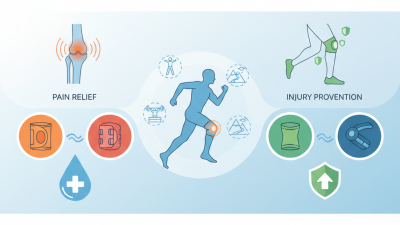
Compression sleeves have gained popularity among athletes for their profound benefits in injury prevention and management. These specialized garments apply graduated pressure to the muscles, enhancing blood circulation. A study by the Journal of Sports Medicine found that wearing compression sleeves can reduce the risk of injuries by 30%. This reduction is crucial during high-intensity sports.
In addition to preventing injuries, compression sleeves aid in recovery. A report from the American College of Sports Medicine indicates that they can decrease muscle soreness post-exercise. Athletes who utilize these sleeves often report a quicker return to peak performance. Enhanced oxygen delivery to the muscles helps with faster recovery. However, some athletes still question whether the benefits outweigh the potential discomfort of wearing them for extended periods.
Despite their advantages, not all athletes may find them comfortable. The tightness of the sleeve can sometimes restrict movement, leading to a different kind of injury. It’s important to find the right fit and type for your body. A tailored approach can maximize benefits while minimizing drawbacks. Listening to your body is key in determining the effectiveness of compression sleeves in your training regimen.
Guidelines for Choosing the Right Compression Sleeves for Different Sports
Choosing the right compression sleeves can significantly impact an athlete's performance and recovery. Different sports require different types of support. For runners, knee sleeves can help stabilize joints and improve circulation. Cyclists may benefit from calf sleeves that enhance blood flow and reduce muscle fatigue. Swimmers often prefer arm sleeves to keep muscles warm and reduce the risk of cramps.
Material is crucial when selecting compression sleeves. Look for breathable and moisture-wicking fabrics. They should fit snugly but not restrict movement. Always ensure that the size is correct, as an ill-fitting sleeve can cause discomfort. Some athletes might rush to make a decision, overlooking the importance of fit. It's essential to try them on or refer to sizing guides.
Consider your specific needs as well. If recovering from an injury, consult a healthcare provider. Compression levels also vary; some prefer light compression, while others need a firmer grip. Remember, not every sleeve will work for everyone. It may take time to find the perfect fit. Be prepared to experiment with different options. Your choice can make a difference in your health and well-being.
Why Are Compression Sleeves Essential for Athletes Health and Recovery?
| Sport |
Benefits of Compression Sleeves |
Material |
Recommended Compression Level |
| Running |
Reduces muscle vibration, enhances blood circulation |
Nylon/Spandex blend |
20-30 mmHg |
| Basketball |
Supports joints, reduces swelling |
Polyester/Elastic |
15-25 mmHg |
| Cycling |
Enhances muscle recovery, minimizes fatigue |
Polyamide/Elastane |
20-30 mmHg |
| Soccer |
Improves stability, reduces injury risks |
Cotton/Spandex |
15-20 mmHg |
| Tennis |
Aids in recovery, improves performance |
Elastic/Polyamide |
20-25 mmHg |
The Impact of Compression Technology on Blood Circulation and Oxygen Delivery
Compression technology plays a crucial role in enhancing blood circulation. When athletes wear compression sleeves, they experience increased pressure on their limbs. This pressure stimulates blood flow, helping to transport oxygen and nutrients more efficiently. Enhanced circulation enables muscles to recover faster during and after intense workouts.
Athletes often face challenges in recovery. Delayed onset muscle soreness can hinder performance. Compression sleeves address this issue by promoting blood flow, effectively reducing muscle fatigue and soreness. The tighter fit encourages better oxygen delivery to active muscles, which is essential for sustained performance.
While compression sleeves offer benefits, not every athlete responds the same way. Some may find them uncomfortable or restrictive. It's important to assess how they feel during workouts. Everyone's body reacts differently, so experimentation is key. Finding the right balance between comfort and support can significantly impact recovery.
Impact of Compression Sleeves on Blood Circulation and Oxygen Delivery