How to Choose the Right Wrist Brace for Pain Relief and Support?
When it comes to alleviating wrist pain and providing essential support, choosing the right wrist brace can make all the difference. According to Dr. Emily Carter, a renowned hand and wrist specialist, "Selecting a wrist brace that fits comfortably and offers the right level of support is crucial for effective pain management and recovery." The variety of wrist braces on the market can be overwhelming, with options ranging from rigid splints to flexible supports, each designed to address specific needs and conditions.
Understanding the anatomy of your wrist injury and the type of support required is key to making an informed decision. Whether you are dealing with repetitive strain injuries, arthritis, or a recent sprain, a well-fitted wrist brace can provide stabilization while allowing for healing. In her practice, Dr. Carter emphasizes the importance of consulting with a healthcare professional before making a purchase, as proper guidance can lead to better outcomes and enhance your overall quality of life.
In this guide, we will explore the essential factors to consider when selecting a wrist brace, including material, level of support, and fit. By focusing on these aspects, you can make a choice that not only alleviates pain but also supports recovery, ensuring that your wrist remains functional and healthy.

Understanding Wrist Pain: Causes and Symptoms
Wrist pain can arise from a variety of causes, significantly affecting daily activities and overall quality of life. Common sources of wrist pain include repetitive strain injuries, such as carpal tunnel syndrome, tendonitis, and arthritis. These conditions often stem from overuse or trauma, leading to inflammation and discomfort in the wrist joint. Additionally, an accident or a fall can result in fractures or sprains, further contributing to the pain and limiting mobility.
Identifying the symptoms of wrist pain is crucial for effective management and relief. Individuals may experience a range of symptoms, including aching, stiffness, or a burning sensation in the wrist. Swelling and reduced range of motion are also common indicators. In some cases, tingling or numbness can extend to the fingers, suggesting nerve involvement. Understanding these symptoms allows for better communication with healthcare providers and aids in selecting appropriate treatment options. Whether it be through rest, physical therapy, or the use of supportive devices, recognizing the underlying causes and manifestations of wrist pain is essential for effective recovery.
Wrist Pain Causes and Symptoms
Types of Wrist Braces: Overview and Functionality
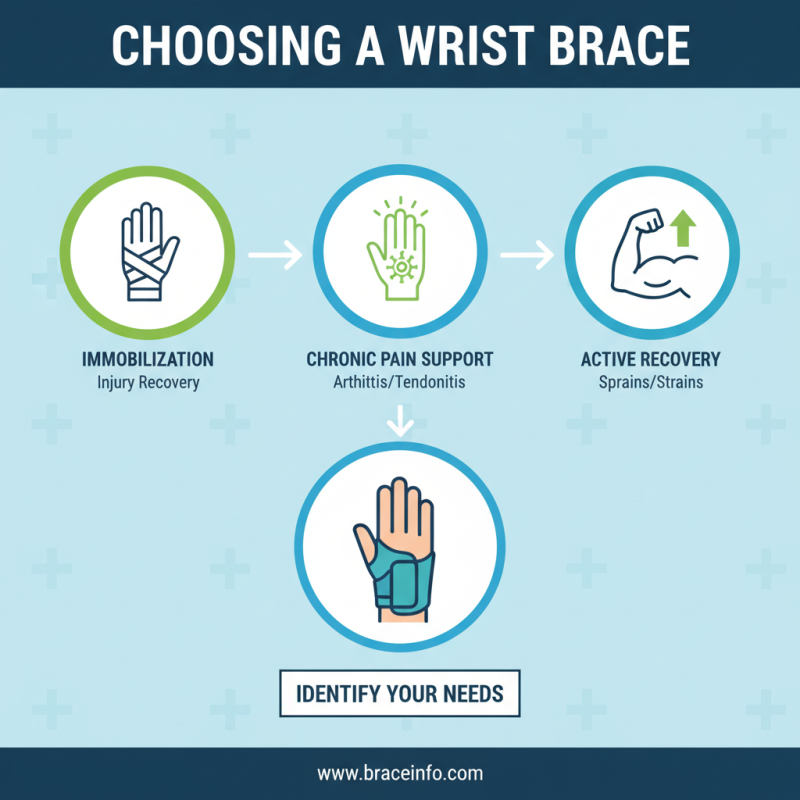
When choosing a wrist brace for pain relief and support, understanding the various types available can significantly enhance your selection process. Wrist braces are primarily categorized into three types: rigid braces, soft supports, and functional braces. Rigid braces are typically made of sturdy materials and are designed to immobilize the wrist, making them ideal for post-injury recovery or severe pain management. Soft supports, on the other hand, provide compression and mild support while allowing for more wrist movement, making them suitable for conditions like tendinitis or carpal tunnel syndrome. Lastly, functional braces are designed for active recovery, offering support while allowing for some range of motion, which is beneficial for individuals returning to normal activities.
Tips for selecting the right wrist brace include assessing the severity of your condition and the level of support you need. If you are recovering from surgery or a significant injury, a rigid brace may be necessary. However, if your condition is more chronic and requires flexibility, consider a soft or functional brace. Additionally, ensure that the wrist brace fits snugly but not too tightly, as proper circulation is essential for healing. Pay attention to materials that provide breathability and comfort, especially if you plan to wear the brace for extended periods.
Moreover, always consult with a healthcare professional before making a decision. They can recommend the most suitable type of wrist brace based on your specific needs and conditions, ensuring you achieve optimal pain relief and support.
How to Choose the Right Wrist Brace for Pain Relief and Support?
| Type of Wrist Brace |
Functionality |
Best For |
Support Level |
| Soft Wrist Brace |
Provides mild support & warmth |
Light sprains, arthritis |
Low |
| Rigid Wrist Brace |
Offers maximum immobilization |
Severe injuries, post-surgery |
High |
| Wrist Splint |
Stabilizes wrist & minimizes movement |
Carpal tunnel syndrome, strains |
Medium |
| Compression Brace |
Provides gentle compression for pain relief |
Tendinitis, minor sprains |
Low to Medium |
| Athletic Wrist Wrap |
Allows mobility while providing support |
Sports-related injuries |
Medium |
Factors to Consider When Choosing a Wrist Brace
Choosing the right wrist brace for pain relief and support requires careful consideration of several factors. First, it is essential to identify the specific purpose of the brace. Are you looking for immobilization for an injury, support for chronic pain, or something to assist in recovery? Understanding your needs will direct your search toward the appropriate type of brace.
When selecting a wrist brace, consider the level of support required. For mild strains, a soft, flexible brace may suffice, allowing for movement while providing some compression. In contrast, more severe conditions like carpal tunnel syndrome may necessitate a sturdier brace that immobilizes the wrist. Fit and comfort are also crucial; ensure the brace fits snugly without being too tight, as this could impede circulation.
Tips: Always consult with a healthcare professional to ensure you’re choosing the right type of support. When trying on a wrist brace, move your wrist and fingers to check for comfort and flexibility. Finally, consider whether you need a brace that can be worn during activities or one designed for wear at rest to effectively meet your pain relief goals.
How to Properly Fit and Wear a Wrist Brace
When it comes to finding relief from wrist pain, wearing a properly fitted wrist brace is essential. To ensure the brace provides adequate support, begin by measuring the circumference of your wrist just above the wrist joint. This measurement helps you choose the correct size according to the manufacturer’s guidelines. Keep in mind that each brand may have slightly different sizing charts, so always refer to those when selecting your brace.
Once you have your wrist brace, putting it on correctly is crucial for effective pain relief. Start by loosening the straps and positioning the brace around your wrist. The brace should immobilize the wrist without being overly tight; you should be able to move your fingers comfortably. Adjust the straps so they hold the brace snugly in place without cutting off circulation. It's important to wear the brace consistently during activities that aggravate your wrist pain, but it should also be comfortable enough for everyday wear.
Tips: When adjusting the straps, check for any restriction in finger movement. You want to maintain dexterity while still providing support. Additionally, take breaks while wearing the brace to relieve any pressure points and allow your skin to breathe. Finally, consult a healthcare professional if you experience increased pain or discomfort, as they can recommend adjustments or alternatives tailored to your needs.
When to Seek Professional Advice for Wrist Pain Management
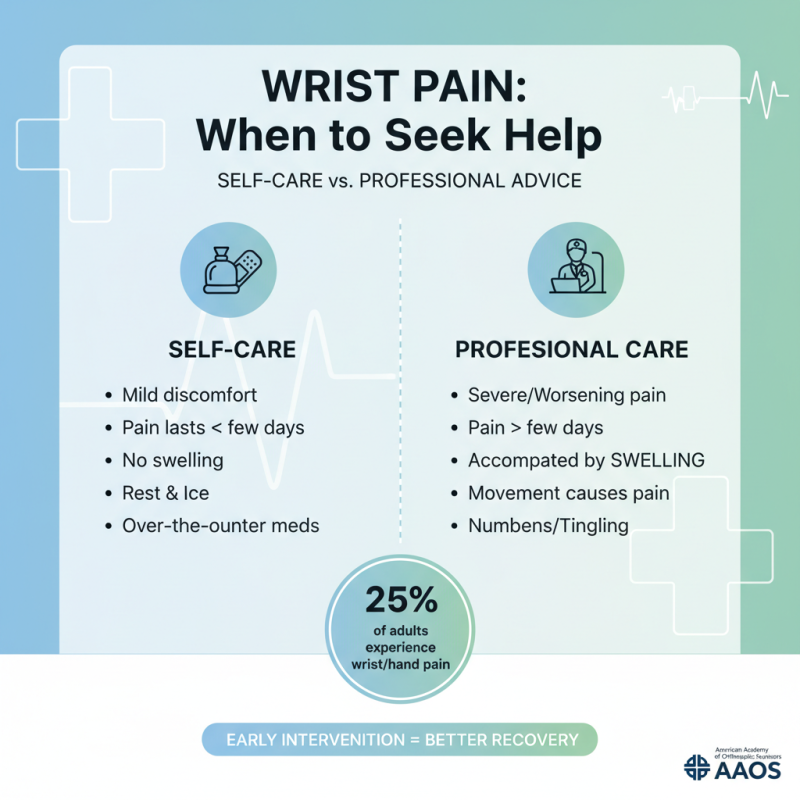
When experiencing wrist pain, it’s crucial to assess whether self-care methods or professional advice is needed. According to a report from the American Academy of Orthopaedic Surgeons, approximately 25% of adults suffer from wrist and hand discomfort at some point in their lives. If your pain persists for more than a few days, worsens with movement, or is accompanied by swelling, it’s advisable to consult a healthcare provider. Early intervention can help prevent further injury and promote more effective recovery strategies.
Professional assessment becomes even more vital if you notice tingling, numbness, or weakness in your fingers, as these may indicate nerve compression, like carpal tunnel syndrome, affecting around 3% of the population, as highlighted by the Journal of Wrist Surgery. High-risk activities often lead to wrist injuries; thus, athletes and individuals in physically demanding jobs should seek advice sooner rather than later to implement preventive measures. Consulting with a medical professional ensures a comprehensive evaluation of your wrist condition, fostering a personalized pain management plan that could include physical therapy, more advanced imaging, or surgical options if necessary.