How to Choose the Right Knee Sleeves for Your Needs?
Choosing the right knee sleeves can significantly impact your comfort and performance. Mike Roberts, a renowned sports physiotherapist, emphasizes, "The right knee sleeves can prevent injuries and enhance recovery." With numerous options available, understanding your specific needs is crucial.
Knee sleeves serve various functions, from providing support during intense workouts to aiding post-injury recovery. It's essential to consider factors like material and compression level. A high-quality knee sleeve should feel snug but not restrictive. Many users overlook the importance of proper fit, leading to discomfort.
Additionally, price should not be the sole factor in your decision. While cheaper options may seem appealing, they often lack the necessary support and durability. Reflecting on your requirements can lead to informed choices. Ultimately, choosing the right knee sleeves requires careful thought. Prioritize finding a balance between comfort, support, and functionality.
Understanding the Purpose of Knee Sleeves in Sports and Rehabilitation
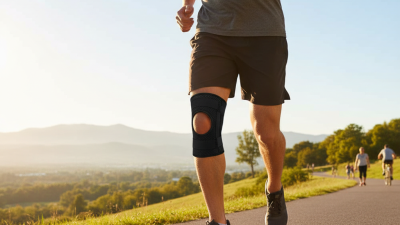
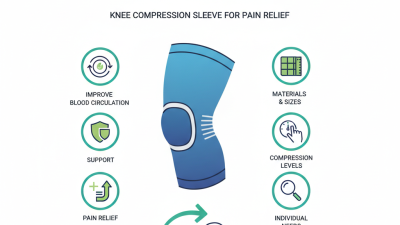
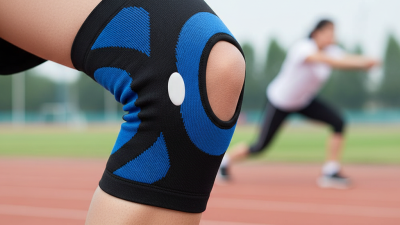
Knee sleeves play a crucial role in both sports and rehabilitation. They offer support during activities like running, cycling, or weightlifting. A well-designed sleeve can help reduce pain and swelling. It can also provide compression, which promotes blood flow and healing. Many athletes and rehabilitating patients rely on these sleeves to enhance their performance and protect their knees.
Choosing the right knee sleeves requires understanding your specific needs. Not all sleeves are alike; some offer more flexibility, while others provide more stability. It’s essential to consider factors such as the level of activity and existing knee issues. You might benefit from a thicker sleeve if recovering from an injury. A thinner option may suffice for regular sport use.
Mistakes can happen when selecting a sleeve. Some may overlook the size, leading to discomfort. Others may choose a sleeve solely based on appearance, ignoring crucial support features. It’s vital to prioritize functionality over aesthetics. Reflecting on your personal experience with knee issues can guide you in making an informed choice.
Identifying Your Specific Knee Issues and Requirements
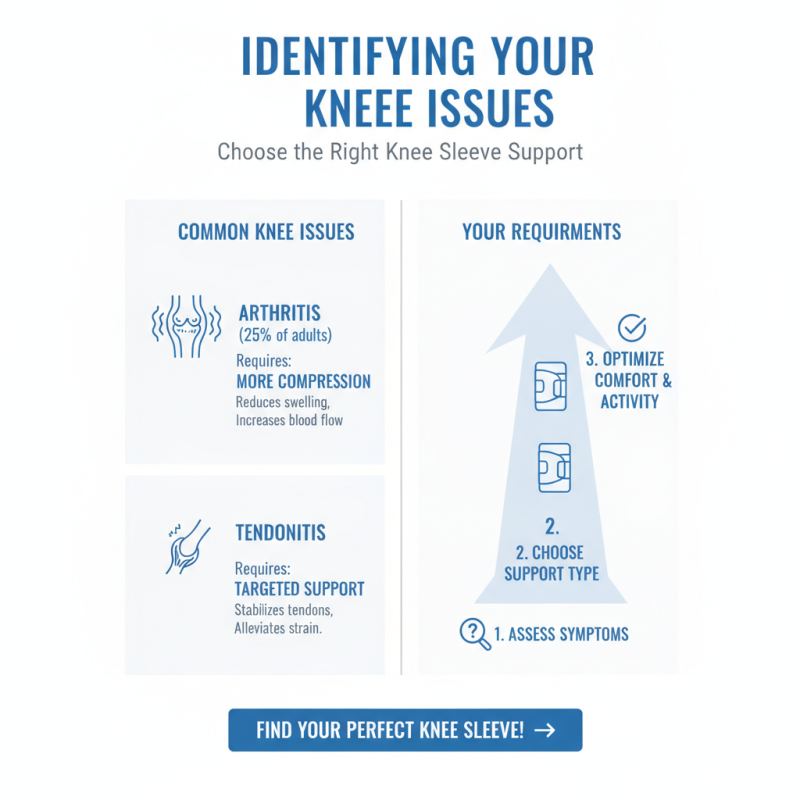
When choosing knee sleeves, it’s essential to identify your specific knee issues. Studies show that nearly 25% of adults experience knee pain. Conditions vary from arthritis to tendonitis, each requiring a different support level. For instance, those with arthritis may benefit from sleeves that offer more compression. This helps reduce swelling and increases blood flow.
Additionally, consider your activity level. Recreational athletes might need lighter sleeves for flexibility. In contrast, serious athletes may require robust support for heavy lifting or intense sports. Research indicates that proper support can decrease injury risk by up to 50%. Pay attention to how a sleeve fits. A poorly fitting sleeve can limit circulation or even exacerbate pain.
Lastly, personalization is key. Evaluating the environment in which you’ll use the sleeves is important. They need to be breathable and moisture-wicking, especially for intense activities. Take time to reflect on your specific needs and consult with a healthcare professional if uncertain. Individual experiences vary, and finding the right sleeve may take experimentation.
Evaluating Different Types of Knee Sleeves Available in the Market
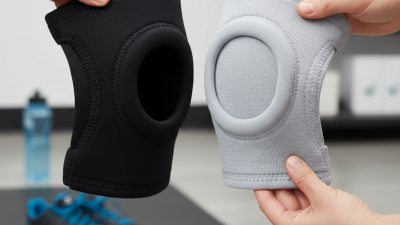
When selecting knee sleeves, it's essential to evaluate the different types available. There are several styles, each catering to specific needs. For instance, compression sleeves offer support and alleviate swelling. They are ideal for athletes and those recovering from injuries. Neoprene sleeves, on the other hand, provide extra warmth and cushioning. This can be beneficial during colder weather or for those with chronic pain.
When choosing a knee sleeve, it’s vital to consider your activity level. Lighter sleeves may suit casual wear, while more robust options work better for intense sports. Comfort is key. A well-fitting sleeve should not restrict movement but should stay securely in place.
Tips: Always measure your knee circumference before purchasing. This ensures the right fit. Try on different styles to see which provides the best comfort and support. Do not hesitate to return a sleeve if it doesn’t meet your expectations. Remember, the goal is to enhance performance and prevent injury. Finding the perfect knee sleeve can take time and experimentation.
How to Choose the Right Knee Sleeves for Your Needs?
| Type of Knee Sleeve |
Material |
Support Level |
Ideal Use |
Price Range |
| Neoprene Sleeve |
Neoprene |
Moderate Support |
General Use, Light Activities |
$15 - $30 |
| Compression Sleeve |
Spandex/Elastic |
Light Support |
Recovery, Light Sports |
$20 - $40 |
| Reinforced Support Sleeve |
Neoprene with Stabilizers |
High Support |
Post-Injury, Heavy Lifting |
$40 - $70 |
| Adjustable Knee Brace |
Fabric with Velcro |
Customizable Support |
Post-Surgery, Rehabilitation |
$35 - $90 |
Key Features to Consider When Selecting Knee Sleeves
Knee sleeves serve as essential support for athletes and active individuals.
When selecting knee sleeves, it's crucial to consider key features that impact comfort and effectiveness.
One major feature is the material.
High-quality neoprene provides warmth and compression, but it may not suit everyone due to potential allergies.
Research indicates that about 25% of users report discomfort from synthetic materials.
Sizing is another important factor. A report from the Journal of Sports Medicine highlights that improper sizing can limit blood flow and lead to further injuries.
Measure your knee circumference accurately.
Sleeves should fit snugly without excessive tightness.
This balance is essential for optimal support during physical activities like weightlifting or running.
The level of compression is also a vital consideration.
Compression helps reduce swelling and enhances blood circulation, promoting faster recovery.
Data from the National Athletic Trainers' Association suggests that sleeves with varying compression levels cater to different needs.
Some athletes may require higher compression for intense workouts, while others might prefer low to moderate support for daily activities.
Always take a moment to reflect on your specific requirements and listen to your body for the best fit.
Sizing and Fitting Guidelines for Optimal Knee Sleeve Performance
Choosing the right knee sleeves involves understanding sizing and fitting. A well-fitted knee sleeve provides support and enhances performance. It's essential to measure your knee circumference accurately. Use a flexible tape measure around the center of your knee. This measurement helps you find the correct size.
Selecting the right material matters too. Consider options like neoprene or elastic blends. Each material offers different levels of compression and flexibility. Before making your decision, think about your specific needs. Are you recovering from an injury or aiming for extra support during workouts? Reflecting on these questions can streamline your choice.
**Tips:** Always try on the knee sleeve before you buy. A snug fit ensures it won’t slip or bunch during activities. Pay attention to uncomfortable areas. If it digs into your skin or feels too tight, reconsider your choice.
Testing the sleeve during light activities is wise. This practice helps you determine its comfort and effectiveness. Monitor how it feels after extended use. A good sleeve should enhance performance, not hinder it.
Optimal Knee Sleeve Sizing and Fitting Guidelines