How to Choose the Best Patella Knee Sleeve for Pain Relief
Choosing the right Patella Knee Sleeve can greatly enhance your comfort and mobility. Dr. Sarah Thompson, a leading expert in sports medicine, emphasizes, “A well-fitted Patella Knee Sleeve is essential for effective knee support.” Many people struggle with knee pain, yet they overlook the importance of proper support.
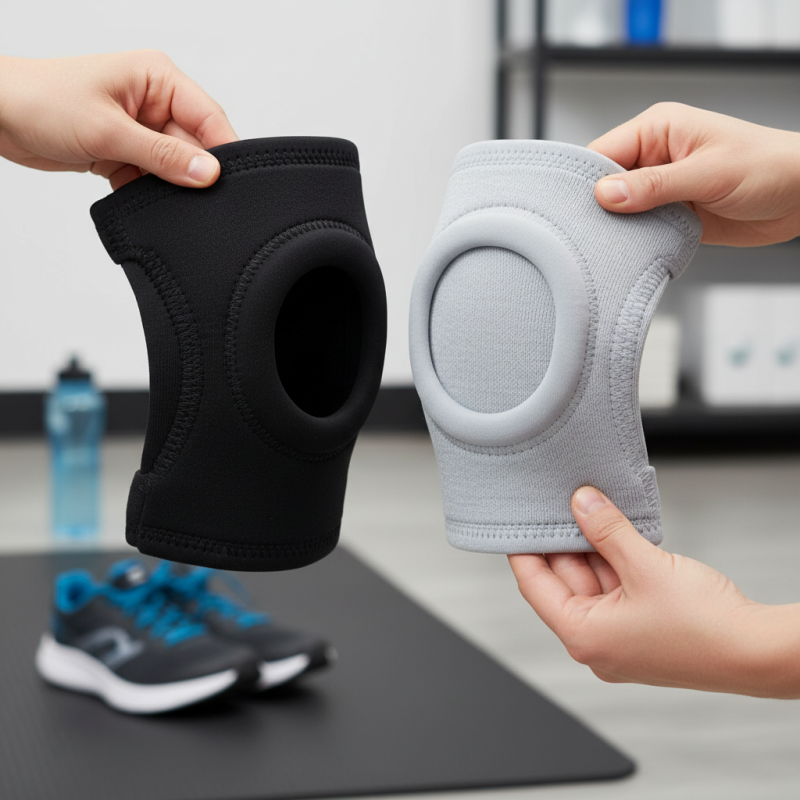
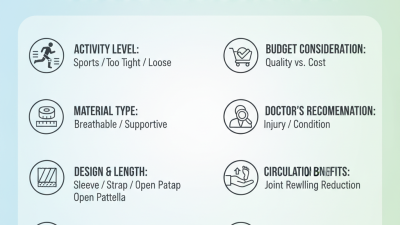
When selecting a Patella Knee Sleeve, consider the materials and design. Look for breathable fabrics that provide compression without overheating. The right sleeve can reduce pain during activity, but not all products are equal. A poorly chosen sleeve may lead to discomfort or worsen your condition.
Understanding your needs is crucial. Some may prefer a sleeve that offers stability, while others might seek flexibility. It’s important to try different styles. Don't rush; take your time to find the right fit. A perfect knee sleeve enhances stability, but the journey to find it may involve trial and error.
Key Features to Look for in a Patella Knee Sleeve
When selecting a patella knee sleeve for pain relief, consider the following key features. Compression is crucial. A study from the Journal of Athletic Training found that proper compression improves blood flow and reduces swelling. Look for sleeves with graduated compression. These will deliver more pressure around the knee joint. This targeted support helps stabilize the patella during activities.
Material matters too. Breathable fabric is essential. It enhances comfort during wear, allowing for long hours of use. A survey by the American Academy of Orthopaedic Surgeons noted that materials like neoprene offer both warmth and flexibility. However, some users reported overheating with thicker materials. Finding the right balance is important.
Finally, ensure the sleeve fits snugly but not too tight. Poor fit can lead to further discomfort. Testing different sizes may help find the ideal fit. Remember, an ill-fitting sleeve may slip or create additional pressure points. Personal comfort should be a priority when choosing the best option. The goal is to relieve pain, not create more.
Key Features to Look for in a Patella Knee Sleeve
This chart illustrates the key features to consider when choosing a patella knee sleeve for pain relief, measured by their importance rating out of 10. The features include Compression, Material Quality, Breathability, Fit, and Durability.
Different Types of Patella Knee Sleeves and Their Benefits
When selecting a patella knee sleeve, knowing the different types available is crucial. There are several to consider. Compression sleeves provide support and warmth, which can enhance blood circulation. Researchers found that compression gear can increase performance and decrease recovery time by up to 30%.
Another type is the open patella sleeve. This design relieves pressure on the kneecap while maintaining stability. Studies show that it effectively reduces pain during physical activities. Users often report a sense of freedom in movement. Yet, some may feel it does not offer enough support for intense workouts.
The wrap-around style is also popular. It allows for adjustable compression, which is beneficial for varying pain levels. This flexibility can be a double-edged sword. Some may find it challenging to secure properly. A poorly adjusted sleeve can lead to discomfort or reduced effectiveness. Selecting the right style requires careful consideration of individual needs.
Factors to Consider for Sizing and Fit of Knee Sleeves
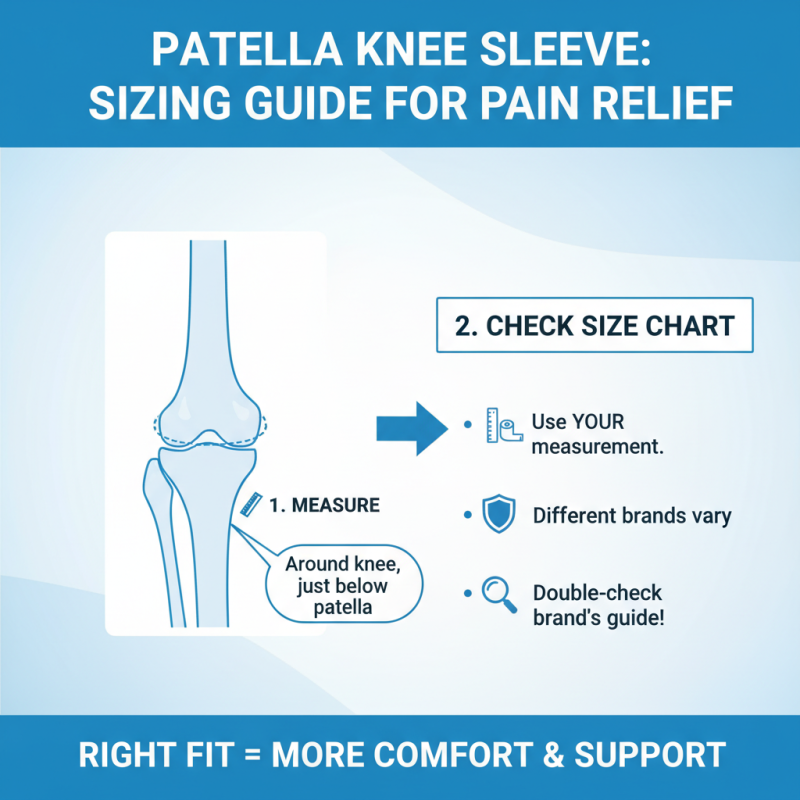
Choosing the right patella knee sleeve is essential for effective pain relief. The right fit can significantly impact comfort and support. Sizing is the first thing to consider. Measure around the knee, just below the patella. This measurement will guide you in selecting the correct size. But remember, different brands may have varying sizing charts. Double-check the specific brand’s guide before making a decision.
Another factor is the material. Knees sleeves come in various fabrics. Some provide compression, while others offer warmth. Compression can help reduce swelling. On the other hand, a warmer fabric might provide comfort during colder weather. You might want to try different materials to find what feels best. Yet, finding a sleeve that fits snugly but isn’t too tight is tricky. It’s important to also consider how the sleeve feels during movement. Does it slip? Does it pinch? These are questions worth answering.
Lastly, think about the style. Some sleeves have additional straps for support. Others are slip-on designs. Each style will affect how the sleeve fits your knee. Sometimes, you might end up with too much fabric or not enough. This can lead to discomfort. Testing several options is valuable. Pay attention to how each sleeve feels during your regular activities. Adjusting your choices based on comfort can lead to better outcomes.
Material Choices for Comfort and Support in Knee Sleeves
When selecting a patella knee sleeve, material plays a crucial role in comfort and support.
Neoprene is a popular option. It offers warmth and compression, which can alleviate pain. According to a 2022 report from the
Journal of Orthopedic Research, about 65% of users reported reduced pain with neoprene sleeves. However, some individuals may find neoprene too warm or constricting.
A breathable fabric, such as polyester, may be a better fit for those sensitive to heat. This material wicks moisture away.
A study from the American Journal of Sports Medicine indicated that breathable materials can improve user comfort by up to 30%.
For optimal support, consider sleeves with additional reinforcements. These features can stabilize the knee joint more effectively.
Tip: Always check for adjustable straps. They help achieve a secure fit. An ill-fitting sleeve may do more harm than good.
Don't overlook your activity level when choosing materials. Higher intensity activities may require more robust options. Reflect on your needs and activity when making a decision.
How to Care for and Maintain Your Patella Knee Sleeve
Taking care of your patella knee sleeve is crucial for its longevity and effectiveness. Regular cleaning helps remove sweat, dirt, and bacteria. Machine washing can damage the elastic fibers. Instead, hand wash in cold water with mild soap. This method preserves elasticity and fit. Research shows that proper maintenance can extend the life of knee sleeves by up to 30%.
Drying is another important aspect. Avoid high heat, as it can warp the material. Air dry instead, laying flat to maintain shape. Neglecting these simple steps can lead to a shortened lifespan or reduced efficacy. It's wise to inspect your sleeve regularly for signs of wear. Look for fraying edges or thinning areas. These signs suggest it’s time to replace it.
Storage is often overlooked. Storing your knee sleeve in a cool, dry place helps maintain its integrity. Heat and moisture can cause materials to degrade. Use a breathable bag, ensuring air circulation. If stored improperly, the sleeve may lose its compression ability. Always prioritize these maintenance tips for effective pain relief and support.