How to Choose the Best Knee Wrap for Pain Relief and Support?
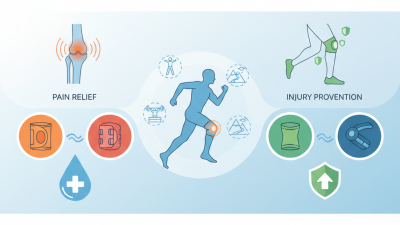
Knee pain affects millions worldwide, impacting mobility and quality of life. According to the American Academy of Orthopaedic Surgeons, knee pain is a leading cause of disability in adults. Individuals often seek relief through various methods. One common solution is using a knee wrap, designed to provide support and alleviate discomfort.
Choosing the right knee wrap requires understanding personal needs and conditions. These products vary widely in materials, sizes, and support levels. A study from the Journal of Sports Rehabilitation notes that proper knee support can significantly reduce pain during activities. However, the wrong fit or type may lead to increased discomfort.
Wading through options can be overwhelming. Some wraps offer compression, while others focus on support. Users must weigh their choices carefully. It’s essential to consider the intended use, frequency, and severity of pain when selecting a knee wrap. Often, trial and error is part of the process. Finding the right balance can lead to improved function and relief.
Factors to Consider When Choosing a Knee Wrap for Pain Relief
When selecting a knee wrap for pain relief, certain factors are crucial. The material of the wrap can greatly influence comfort. Look for breathable fabrics that wick moisture away. A study published in the Journal of Orthopedic Research indicates that materials like neoprene provide both support and heat retention. However, they may trap heat after prolonged use. Balance comfort and support to avoid irritation.
Sizing and fit are also essential. A wrap that is too tight can restrict blood flow, while one that is too loose may fail to provide necessary support. According to data from the American Academy of Orthopedic Surgeons, improper fit may worsen pain levels. Always measure the knee and consult size charts before purchasing.
Consider the level of compression needed. Many knee wraps offer varying degrees of support. A report from the National Institutes of Health indicates that mild compression can alleviate pain and swelling effectively. Conversely, excessive compression may lead to discomfort or skin breakdown. Finding the right balance is key for effective pain management.
Types of Knee Wraps Available for Support and Comfort
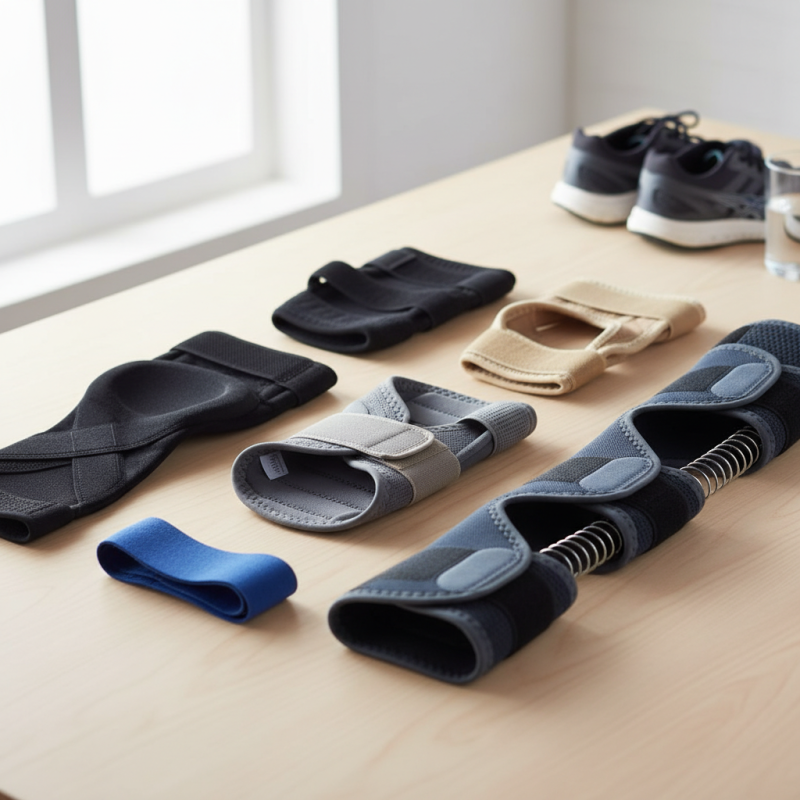
When it comes to knee wraps, various types offer different levels of support and comfort.
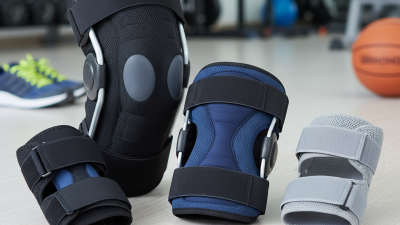
Elastic compression wraps are popular for their ability to provide targeted pressure. These wraps help reduce swelling and improve circulation, ideal for minor sprains.
According to a report from the Journal of Orthopedic Research, compression can enhance recovery times by up to 25%.
For those needing more stability, hinged knee wraps are a good option. They feature metal hinges on both sides, offering support for more severe injuries or post-operative care.
Studies show that braces with hinges can lower the risk of re-injury by over 30%.
Tips: Always assess the fit of your wrap. A too-loose wrap can be ineffective, while an overly tight one may hinder blood flow.
Ensure that your wrap is made of breathable material to avoid discomfort during extended wear.
Lastly, adjustable wraps are versatile for fluctuating swelling levels. It's essential to evaluate your specific needs before choosing.
Remember, not all wraps provide the same level of protection, and evaluating multiple options may lead you to the most beneficial choice.
Always consult a professional for personalized fitting advice.
How the Material Affects Knee Wrap Effectiveness and Comfort
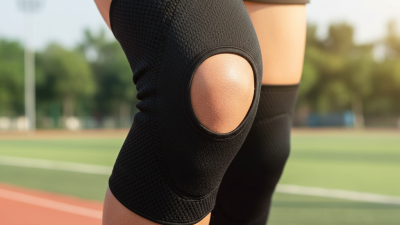
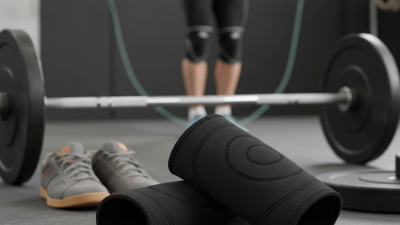
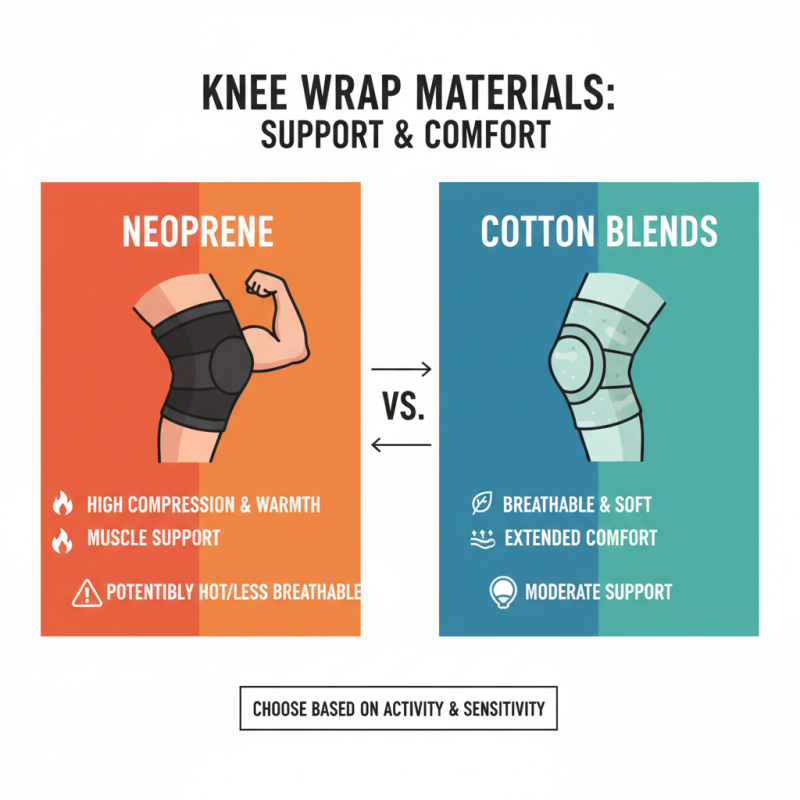
When selecting a knee wrap, the material plays a crucial role. Different fabrics provide varying levels of support and comfort. Neoprene is common for its warmth and compression. It works well for many, but some may find it too hot during use. Breathable fabrics, like cotton blends, may offer more comfort for longer wear. However, they might not provide the same level of compression.
The effectiveness of a knee wrap also depends on the intended use. For sports and high-intensity activities, moisture-wicking materials can help. These fabrics keep the skin dry, preventing chafing and irritation. Yet, finding the right balance can be tricky. A wrap that is too tight can restrict movement. One that is too loose may not provide adequate support.
It's important to consider personal comfort and any skin sensitivities. Some individuals react to synthetic materials, which can lead to discomfort. Testing a few options can help you find the ideal blend of support and comfort. Reflecting on your experiences can lead to better choices in the future.
Understanding Sizing and Fit for Optimal Knee Support
Choosing the right knee wrap is crucial for pain relief and support. A secure fit is essential. Understanding sizing can make all the difference. Take measurements of your knee circumference. This is the key to finding a wrap that offers the best support. Know your size and follow the manufacturer’s guidelines. If you are in between sizes, consider going for a larger one for comfort.
The material of the wrap also affects its fit. Some materials have more elasticity than others. This can influence how tightly the wrap hugs your knee. A too-tight wrap can restrict blood circulation. A too-loose wrap may not provide adequate support.
Consider your daily activities, too. Choose a wrap that accommodates movement. If you play sports, look for options that allow flexibility.
Don't forget about your personal comfort level. Testing different wraps is important. Sometimes, what looks good on paper may not feel right. Monitor how your knee responds to various wraps over time. This reflection can guide your choice better than any chart.
Finding the perfect knee wrap might take some time and experimentation. Patience in the selection process is necessary for optimal support and relief.
When to Seek Professional Advice for Knee Pain Management
When managing knee pain, recognizing when to seek professional advice is crucial. Many individuals may initially opt for self-treatment or over-the-counter solutions. However, persistent pain or swelling after a few days can indicate a more serious issue. It’s vital to listen to your body and not ignore the signs.
Professional evaluation is essential if you experience severe pain, instability, or difficulty in movement. An expert can provide a thorough assessment, including diagnostic imaging. This insight helps determine the underlying cause of your pain. Sometimes, it might be due to an injury that requires specific rehabilitation methods.
Don’t hesitate to consult a healthcare provider if your knee pain worsens. Ignoring professional advice may lead to chronic issues. It's better to be proactive. By addressing your pain with expert support, you can create a tailored plan for recovery. This approach often includes lifestyle adjustments, physical therapy, and appropriate use of knee wraps for support.