How to Choose the Best Foot and Ankle Brace for Optimal Support and Recovery
Choosing the right foot and ankle brace is crucial for ensuring optimal support and accelerating recovery from injuries or chronic conditions. With a multitude of options available, it can be overwhelming to determine which brace best meets your individual needs. Factors such as the specific injury, level of activity, and personal comfort should guide your decision-making process.
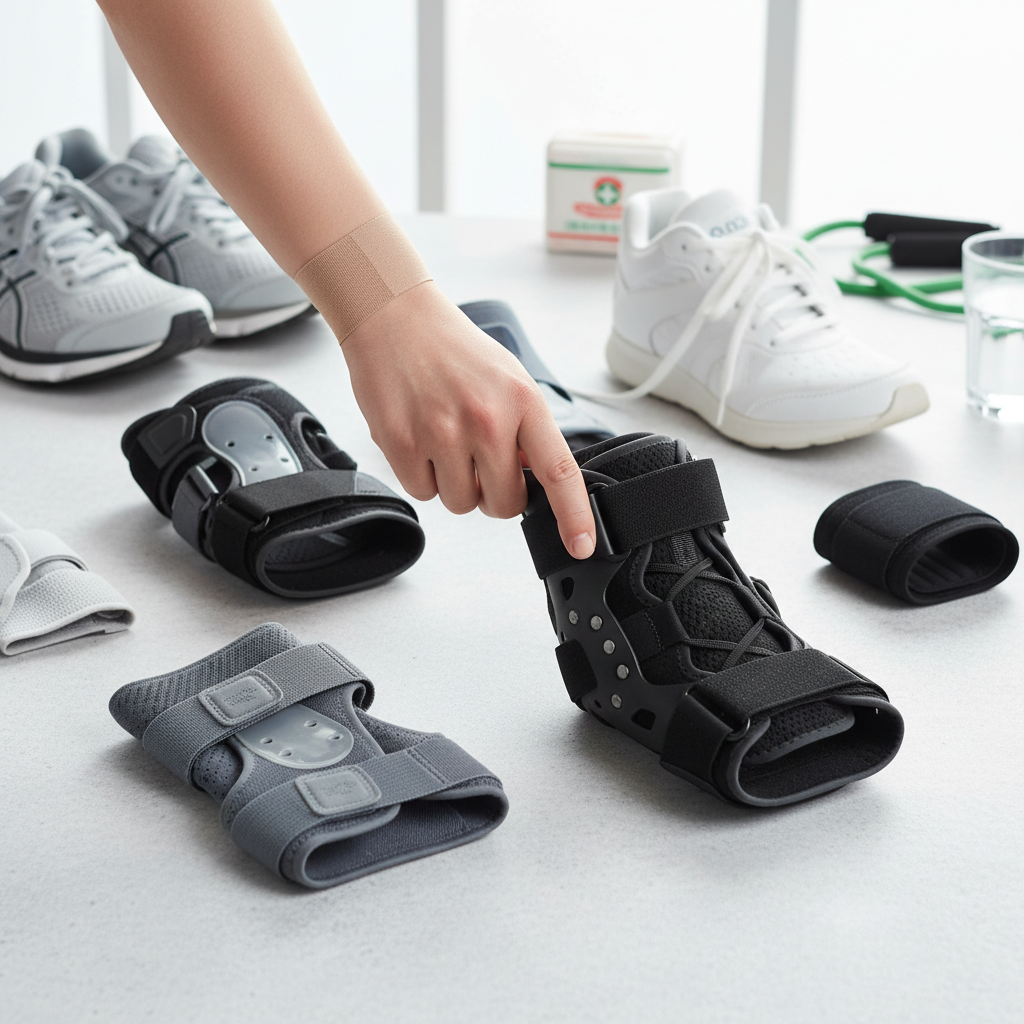
In this guide, we will explore the essential features and characteristics to consider when selecting a foot and ankle brace. We will delve into the types of braces available for various conditions, including sprains, fractures, and tendonitis, as well as discuss the importance of proper fit and material choice. By understanding these key elements, you can make an informed decision that enhances your rehabilitation journey and restores your mobility effectively. Whether you are an athlete looking to prevent injuries or someone recovering from surgery, finding the best foot and ankle brace will play a significant role in achieving your health and fitness goals.
Understanding Foot and Ankle Injuries: Statistics and Common Conditions
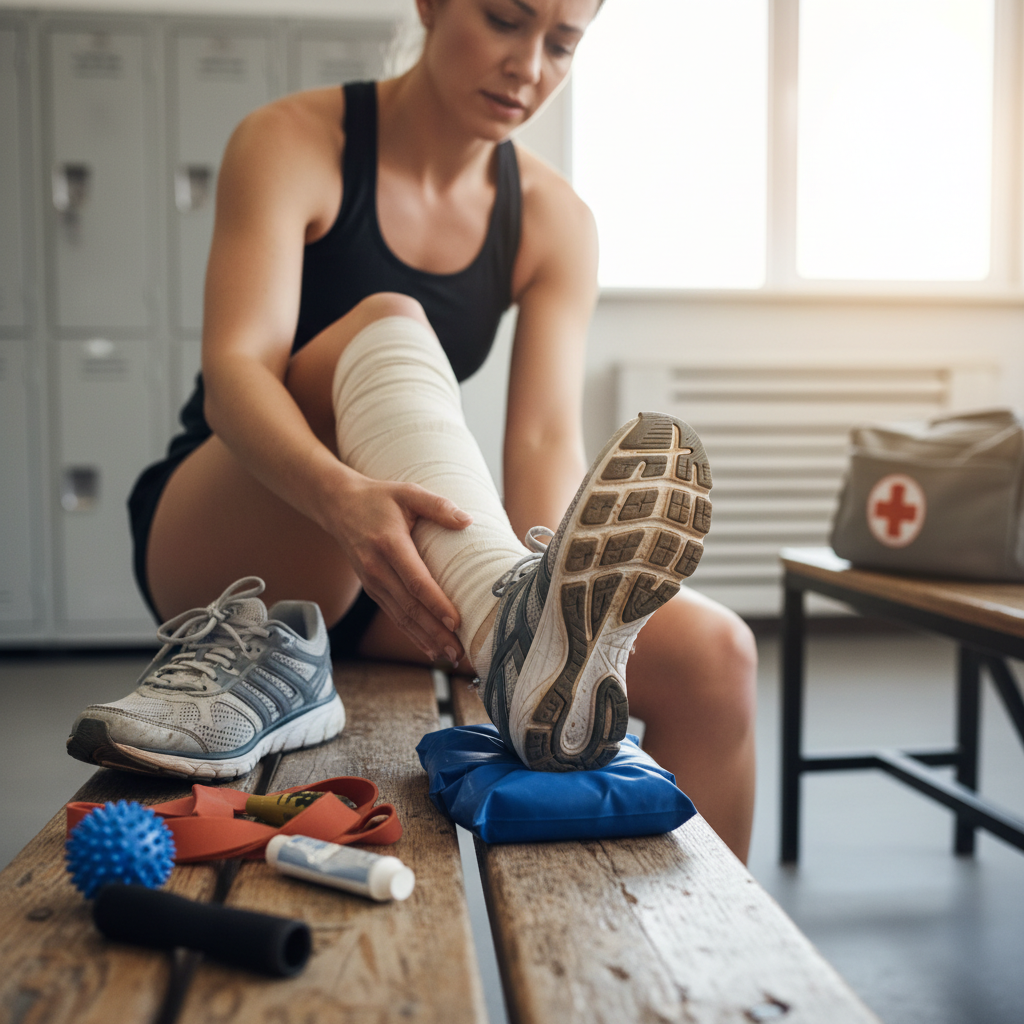
Foot and ankle injuries are prevalent among various populations, particularly athletes and those engaged in physical activities. Conditions such as Achilles tendon pain and ankle sprains are commonly reported. Runners, in particular, face unique challenges, with the most frequent issues including plantar fasciitis, Achilles tendonitis, and conditions arising from improper footwear or overuse. Understanding the warning signs for when to seek medical attention, such as persistent swelling or pain, is crucial for recovery and prevention of further damage.
Statistically, foot and ankle injuries can stem from a range of activities and risk factors. For instance, overuse injuries in runners highlight the importance of proper training and equipment, while factors such as high sodium intake, prolonged standing, and age can contribute to conditions like swollen feet and ankles. Awareness about these common injuries can empower individuals to take proactive measures, including selecting the appropriate braces for support and recovery, thereby minimizing the risk of chronic issues and enhancing overall mobility.
Key Factors to Consider When Selecting a Foot and Ankle Brace
When selecting the best foot and ankle brace for optimal support and recovery, several key factors should be considered. First, assess the level of support you need based on your specific condition. Braces come in varying degrees of firmness and structure; some provide rigid support for severe injuries while others offer more flexibility for mild sprains. Understanding the type of injury or condition you have will help you choose the appropriate brace that will effectively aid in your recovery.
Another important factor is fit and comfort. A brace that is improperly fitted can lead to discomfort and even exacerbate your condition. Look for adjustable features that allow you to customize the fit, and ensure that the materials are breathable to enhance comfort during extended use. Additionally, check for cushioning elements within the brace that help in distributing pressure evenly across the foot and ankle, thereby preventing further strain during your activities. By focusing on these essential aspects, you can make an informed decision that promotes healing and supports your active lifestyle.
Material Matters: Choosing the Right Fabric for Support and Comfort
When selecting a foot and ankle brace, the choice of material is crucial for both support and comfort during recovery. According to a report by the American Orthopaedic Foot & Ankle Society, the right fabric can significantly enhance user compliance by up to 30%, which is vital in ensuring that the brace is worn consistently as prescribed. Materials like neoprene and nylon are popular choices due to their ability to provide compression while allowing some degree of breathability. Neoprene, in particular, is known for its excellent elasticity and heat retention, which can improve circulation and promote healing in injured tissues.
Furthermore, moisture-wicking fabrics are becoming increasingly essential in modern brace design. A study published in the Journal of Athletic Training highlighted that moisture management in brace materials helps to reduce skin irritation and discomfort, contributing to longer wear times. Fabrics that pull sweat away from the skin not only enhance comfort but can also help minimize the risk of infections caused by prolonged dampness. Thus, choosing a brace that incorporates advanced fabric technology can be a game changer for achieving optimal support and recovery outcomes.
Sizing and Fit: Importance of Accurate Measurements for Effectiveness
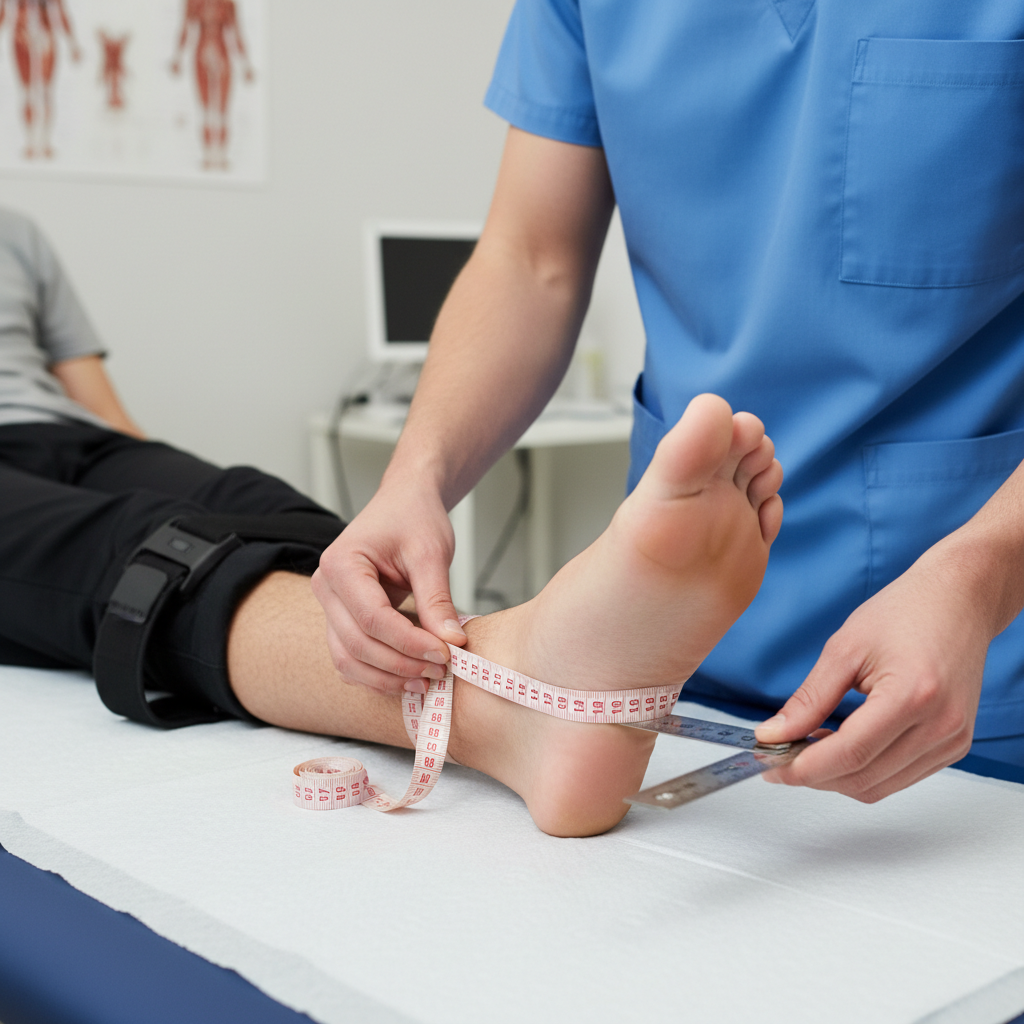
When selecting an effective foot and ankle brace, one of the most critical factors to consider is sizing and fit. Accurate measurements ensure that the brace provides the necessary support while allowing for comfort and flexibility.
According to the American Academy of Orthopaedic Surgeons, improper fit can not only hinder the brace's effectiveness but can also lead to complications such as skin irritation or decreased mobility. Taking precise measurements of the ankle's circumference and the length of the foot can greatly enhance the effectiveness of a brace.
Research published in the Journal of Orthopaedic Research highlights that a well-fitted brace can reduce the risk of re-injury by as much as 30%. This underscores the importance of consulting sizing charts and possibly seeking professional fittings, especially for individuals recovering from injuries or surgeries. Properly fitted braces not only contribute to recovery but can also improve overall performance during physical activities.
Therefore, taking the time to ensure accurate measurements is essential for achieving optimal support and recovery outcomes.
Additional Features and Innovations in Modern Foot and Ankle Braces
When selecting a foot and ankle brace, it’s essential to consider additional features and innovations that enhance support and recovery. Modern braces now incorporate advanced materials such as breathable fabrics, which provide improved airflow and moisture-wicking capabilities. According to a report by the American Orthopedic Foot & Ankle Society, patients report a 30% increase in comfort and usability when wearing braces made from these innovative materials. This improvement plays a critical role in encouraging consistent use, which is vital for effective recovery.
 Furthermore, the integration of customizable compression systems is revolutionizing the effectiveness of foot and ankle braces. These systems allow users to adjust the tightness and support level based on their specific needs, promoting enhanced stability and reducing the risk of further injury. In a study published in the Journal of Foot and Ankle Research, it was found that individuals using braces with adjustable compression experienced a 25% faster recovery rate compared to those with standard designs. As technology continues to advance, modern foot and ankle braces are not just about immobilization; they also focus on dynamic support, enabling optimal healing while maintaining functionality.