How to Choose the Best Elbow Sleeves for Your Needs?
Choosing the right Elbow Sleeves is crucial for athletes and those recovering from injuries. According to the American Journal of Sports Medicine, about 50% of athletes experience elbow pain during their careers. This highlights the importance of effective support in injury prevention and rehabilitation. Elbow Sleeves can provide compression, warmth, and stabilization, which contributes to enhanced performance.
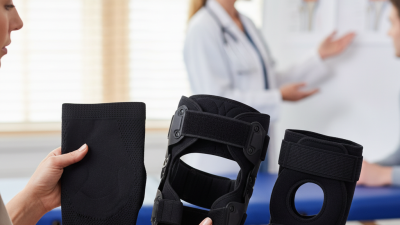
However, not all Elbow Sleeves are created equal. Different materials, sizes, and styles can impact their effectiveness. A report from the National Strength and Conditioning Association stresses the need for individualized selection processes to ensure maximum benefit. Users must consider factors such as activity level, underlying conditions, and desired outcomes.
Understanding the nuances of Elbow Sleeves can be overwhelming. Many users may pick the first sleeve they find, risking improper support. It's essential to reflect on personal needs and consult reviews and recommendations from experts. Ultimately, making informed choices will lead to better health outcomes.
Factors to Consider When Choosing Elbow Sleeves
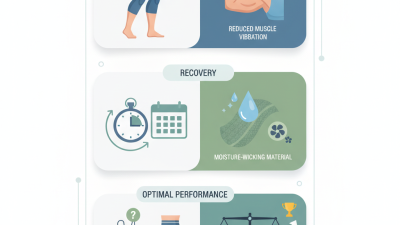
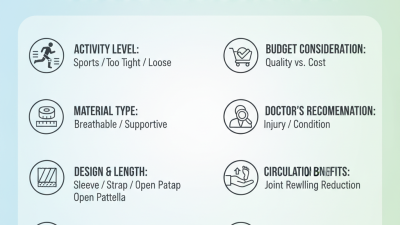
Choosing the right elbow sleeves can be challenging. Various factors require close attention. The material often impacts comfort and breathability. Look for options made from quality fabrics that wick moisture away. This allows for extended wear without discomfort.
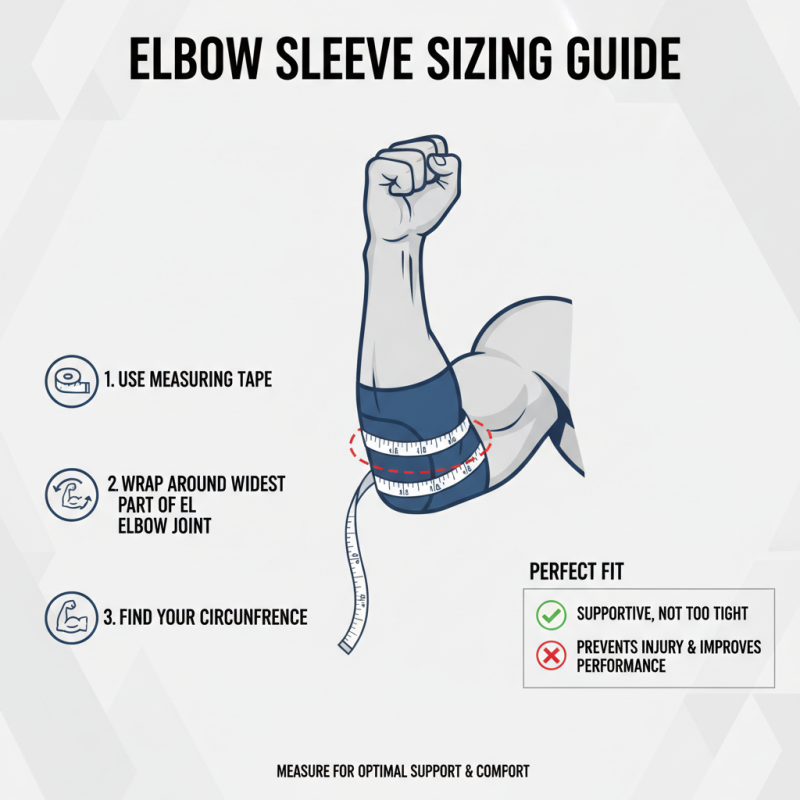
Size and fit are crucial as well. Elbow sleeves should be snug but not overly tight. A proper fit ensures support while avoiding circulation issues. Measure your arm carefully, focusing on the elbow's circumference. Adjustments may be needed based on the specific design of the sleeves.
Consider your activity level when selecting elbow sleeves. For heavy lifting, seek designs that provide extra support. If you're recovering from an injury, opt for compression styles. These can assist with healing while offering stability.
Recognizing your unique needs helps refine your choices. You might even reflect on what hasn't worked in the past. Not all designs suit every need, and that’s okay.
Material Options for Elbow Sleeves: Pros and Cons
When selecting elbow sleeves, the material plays a crucial role. Common options include neoprene, nylon, and elastic blends. Each has its own set of advantages and drawbacks.
Neoprene is popular for its warmth and compression. It provides excellent support during heavy lifting. However, it might not be breathable, leading to discomfort during prolonged use.
Nylon is another choice. It offers a lightweight, breathable option. This material is great for flexibility and movement. Yet, it may lack the same level of support as neoprene. Users often report that nylon can wear out faster, particularly under heavy strain.
Elastic blends provide a middle ground. They combine comfort with decent support. But the durability of elastic can vary significantly.
Choosing the right material depends on your specific needs. If you require warmth, neoprene may be the best choice. If flexibility is your priority, nylon could be the way to go. It’s important to reflect on how often you'll use them and for what activities.
Consider your personal comfort as well; sometimes, a sleeve that seems good on paper does not feel right in practice. Test different options to find the perfect fit for your elbows.
Sizing and Fit: How to Measure for Elbow Sleeves
When selecting elbow sleeves, sizing and fit are key. A proper fit ensures that the sleeves provide support without being too tight. To measure for elbow sleeves, start by using a measuring tape. Wrap it around the elbow joint, making sure to find the widest part. This gives you the measurement you need for sizing.
Next, consider movement. Elbow sleeves should allow for a full range of motion. An overly tight sleeve can restrict movement, causing discomfort. A loose fit can lead to slippage and ineffective support. Pay attention to the material as well. Some fabrics may stretch or become loose over time.
It's important to try different styles to see what works best for you. Take time to assess how the sleeves feel during activity. If you experience pinching or chafing, it’s worth reconsidering the size or style. Finding the right elbow sleeve is a process. Each person's needs are unique, and taking careful measurements will help avoid mistakes.
Different Types of Elbow Sleeves for Various Activities
When selecting elbow sleeves, it's crucial to consider the specific activities you'll engage in. There are various types designed for different needs. For weightlifting or powerlifting, sleeves often provide compression and support. According to a 2023 study published in the Journal of Strength and Conditioning Research, proper elbow support can reduce the risk of injury by up to 30% during heavy lifting.
For those involved in sports like basketball or tennis, lighter, more flexible sleeves might be more suitable. These offer protection without compromising mobility. A report by the American Journal of Sports Medicine highlighted that players wearing elbow sleeves reported fewer overuse injuries. Individuals should weigh these findings against their activity level and intensity.
Tips: Consider the material of the sleeves. Neoprene offers warmth, while elastic blends provide breathability. Always check sizing guides for a proper fit. Improper sizes may not provide adequate support and could even lead to discomfort during physical activity. It's essential to experiment with different types to find what works best for your routine.
Budget Considerations for Purchasing Elbow Sleeves
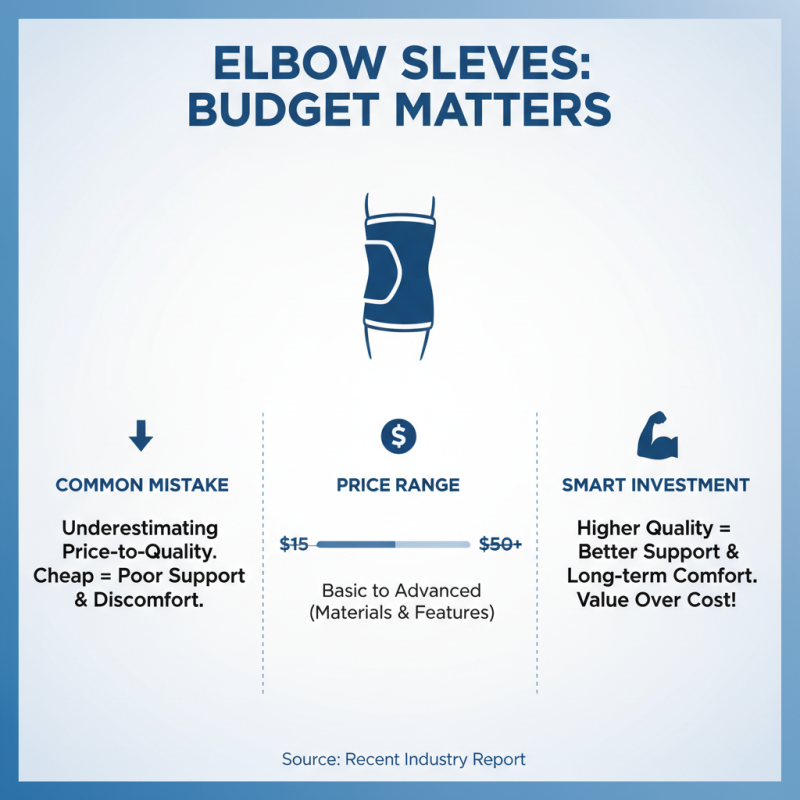
When considering elbow sleeves, budget plays a crucial role. A recent industry report reveals that many consumers underestimate the price-to-quality ratio in their purchases. Opting for lower-priced sleeves often leads to inadequate support and discomfort. A well-reviewed elbow sleeve can range from $15 to $50, depending on materials and features. Investing in a higher quality product may seem steep at first, but the benefits can be significant.
It's also important to analyze the long-term implications of your purchase. Many elbow sleeves are designed for different activities, whether for weightlifting or rehabilitation. Less expensive options may wear out quickly, leading to frequent replacements. According to studies, high-quality sleeves enhance performance and reduce injury risk. This can save you money in future medical treatments, making the initial investment worthwhile.
Moreover, the market offers various designs tailored to specific needs, which can affect pricing. Seek out features that match your activity level and body type. Reviews from professionals in sports medicine often highlight the importance of selecting sleeves that provide adequate compression and warmth. Inadequate support can lead to setbacks, making thoughtful budgeting essential for obtaining the best fit and function.