2026 How to Choose the Perfect Lumbar Cushion for Your Needs?
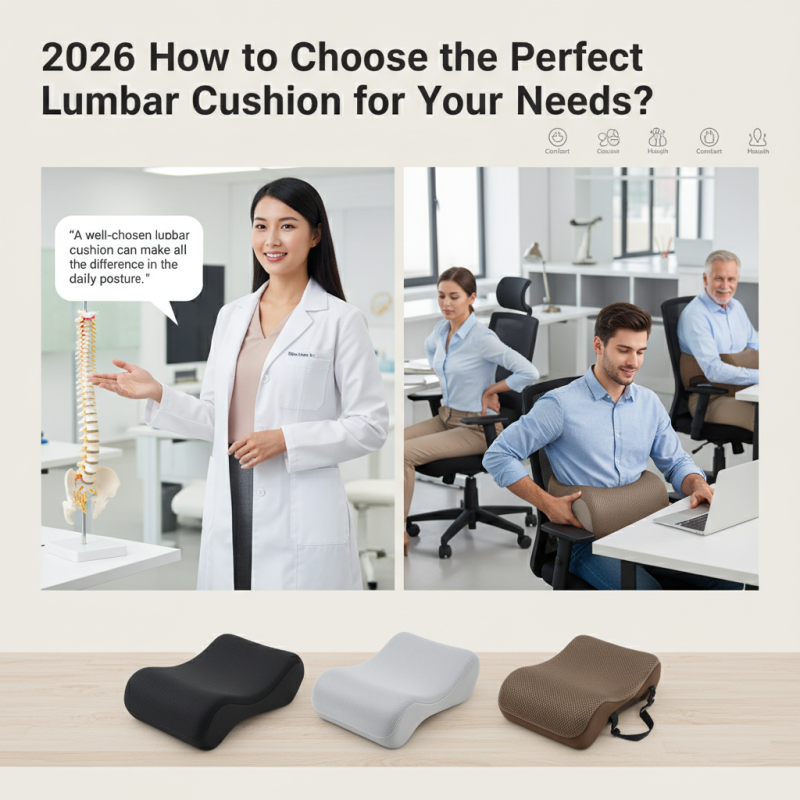
Choosing the right lumbar cushion can significantly impact your comfort and health. Dr. Emily Tran, an expert in ergonomic design, states, "A well-chosen lumbar cushion can make all the difference in daily posture." Many people overlook the importance of lumbar support in their everyday lives.
When selecting a lumbar cushion, consider your specific needs. Do you sit for long hours? Are you recovering from an injury? Your answers should guide you to the perfect cushion. Not every cushion will provide the support you require. Some may feel too hard, while others may lack proper alignment.
Testing different models is essential. Sometimes, a cushion that looks perfect may not feel right. Keep in mind that comfort is subjective. What works for one person may not work for another. Your lumbar cushion should support the natural curve of your spine. This alignment helps reduce strain and prevent discomfort during long periods of sitting.
Understanding Lumbar Support: The Science Behind Back Care Ergonomics
When it comes to back care, lumbar support plays a crucial role. Research indicates that 80% of adults experience back pain at some point in their lives. This condition is often linked to poor posture while sitting. Correct lumbar cushioning can enhance spinal alignment and reduce discomfort. The key is to understand how your body interacts with support systems.
The ideal lumbar cushion should fit the natural curve of your lower back. Studies reveal that a cushion height of 4-5 inches is optimal for many people. It helps maintain the S-curve of the spine. However, not every cushion suits everyone. Individual anatomy and preferences differ, which can make finding the right one challenging.
Furthermore, material choice matters. Memory foam provides good contouring but may retain heat. In contrast, gel cushions stay cooler but may lack firmness. Assessing your routine is essential before making a decision. Are you sitting for hours? Or do you need something portable for travel?
The choice should reflect your lifestyle. An ill-fitting cushion can lead to more discomfort. It's critical to reflect on your needs thoroughly before choosing.
Key Features to Consider in a Lumbar Cushion: Materials, Design, and Size
When selecting a lumbar cushion, the materials used can significantly affect comfort. Memory foam is popular, contouring to your body’s shape. However, not everyone enjoys its heat retention. Some might prefer breathable fabrics. Consider options like gel-infused foam or parachute material for better airflow. Look for removable covers for easy cleaning too.
Design is another crucial aspect. A cushion that supports the natural curve of your spine is essential. The contour should match your body shape but also fit your chair. Some cushions have adjustable straps, but they may not be effective for every chair type. There are various shapes available, ranging from traditional rectangular to ergonomic designs.
Size matters as well. A cushion too large may overwhelm your chair, while one too small might not provide adequate support. Ideally, it should cover the lower back area without sliding down. Many people overlook these details, resulting in poor back support. Reflect on your needs and existing setup before making a purchase.
Assessing Your Posture Needs: Tailoring Lumbar Cushions to Individual Requirements
Choosing the right lumbar cushion can be challenging. Your posture needs should guide your selection. Take a moment to assess your sitting habits. Are you slouching? Is your back aching after a day at the desk? These feelings matter.
Consider your daily activities. If you sit for long hours, a cushion with firm support might be best. Those who switch between sitting and standing might need something different. A cushion that adjusts or has adaptable features could be beneficial. Pay attention to how it feels against your back. It should promote proper alignment, not create pressure.
Not all lumbar cushions are created equal. Some may be too soft, offering no support. Others might push you too far forward. Reflect on your own experiences. Everyone has unique needs based on body shape and lifestyle. Try a few options and observe how they affect your posture. Sometimes, the perfect cushion requires trial and error.
2026 How to Choose the Perfect Lumbar Cushion for Your Needs?
| Cushion Type |
Material |
Adjustability |
Pain Relief Target |
Recommended Use |
| Memory Foam |
Viscoelastic Foam |
Yes |
Lower Back Pain |
Office Chairs |
| Lumbar Roll |
Polyester Fiber |
No |
Muscle Tension |
Car Seats |
| Inflatable Cushion |
PVC |
Yes |
Herniated Disc |
Travel |
| Gel Cushion |
Gelled Polymer |
No |
Chronic Pain |
Home Use |
| Ergonomic Cushion |
Latex & Memory Foam |
Yes |
Posture Correction |
Gaming Chairs |
Industry Standards: Evaluating Lumbar Cushions Based on Professional Guidelines
Choosing the right lumbar cushion requires careful consideration of industry standards. Professional guidelines suggest looking for materials that offer both support and comfort. Memory foam and ergonomic designs are often recommended. However, personal comfort may vary widely.
Evaluating lumbar cushions involves checking dimensions and firmness. An ideal cushion should fit the natural curve of your spine. It’s important not to overlook the cushion's cover material. A breathable fabric can enhance comfort during long hours of use. Yet, many users ignore this detail and regret it later.
Reflection is key in this process. Often, people choose based on price alone and miss out on better options. A cushion that feels good for a moment might not provide lasting support. Prioritizing comfort and proper alignment is essential. Remember, a well-chosen cushion should support you in both work and leisure.
The Impact of Lumbar Cushions on Health: Data on Pain Relief and Productivity
Lumbar cushions play a critical role in health. They support the natural curve of the spine. Many users experience significant pain relief when sitting for extended periods.
Studies show that proper lumbar support increases productivity. When you're comfortable, focusing on work becomes easier.
Choosing the right lumbar cushion can be tricky. Consider your sitting habits. If you sit for long hours, look for cushions with firmer support. Those who move frequently may prefer softer options. It’s essential to test different types. Comfort is personal.
Tips: Always pay attention to material quality. Breathable fabrics can reduce sweating. Also, size matters. A cushion that's too big can create discomfort. Don’t settle for the first one you try. Reflect on your experience after using it for a few days. Your body will tell you if it’s the right fit.