How to Choose the Best Back Support for Long Hours of Sitting
In today's fast-paced work environment, many individuals find themselves spending extended hours seated at desks, often leading to discomfort and various health issues. According to the American Chiropractic Association, nearly 80% of Americans will experience back pain at some point in their lives, making effective back support essential for those with sedentary occupations. A well-designed back support can alleviate strain on the spine and promote better posture, which is critical for maintaining overall health and productivity.
Dr. Alice Thompson, a renowned ergonomics expert, emphasizes the importance of choosing the right back support, stating, "Investing in appropriate back support is not just about comfort; it can significantly reduce the risk of musculoskeletal disorders for those who sit for prolonged periods." When selecting the best back support, it’s crucial to consider various factors such as the specific needs of your body, the type of chair you use, and how you will be utilizing the back support throughout your workday. Understanding these elements can help you make a more informed decision, ultimately improving your sitting experience and health outcomes.
Types of Back Support Products for Sitting Long Hours
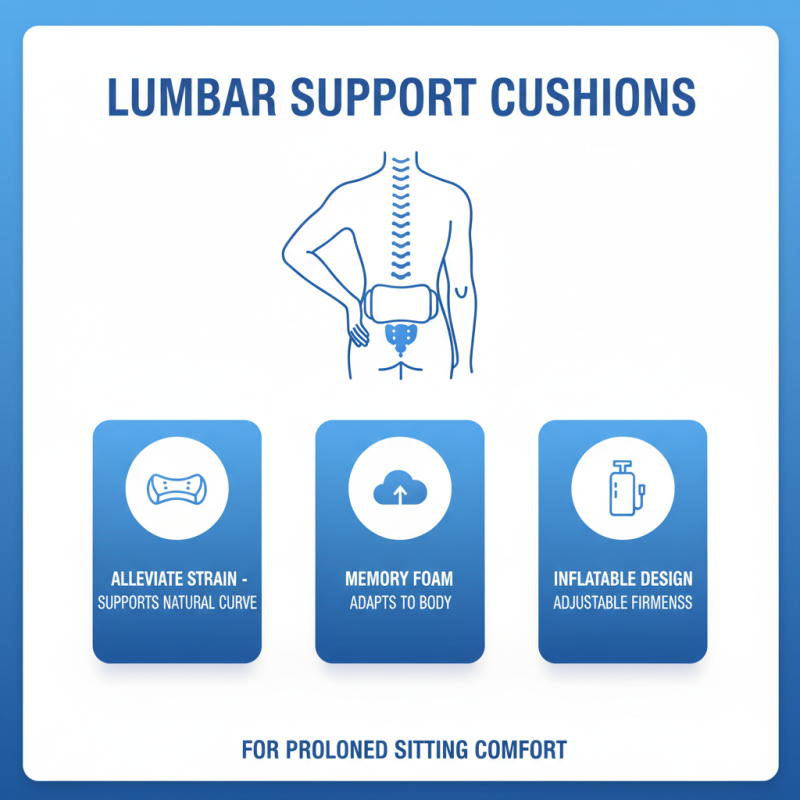
When it comes to finding the right back support for prolonged periods of sitting, several types of products cater to different needs and preferences. One of the most popular options is lumbar support cushions. These cushions are designed to fit the natural curve of the lower back, providing necessary support that can alleviate strain during long hours of work. They often come in various materials, such as memory foam or inflatable designs, allowing users to choose one that best suits their comfort level.
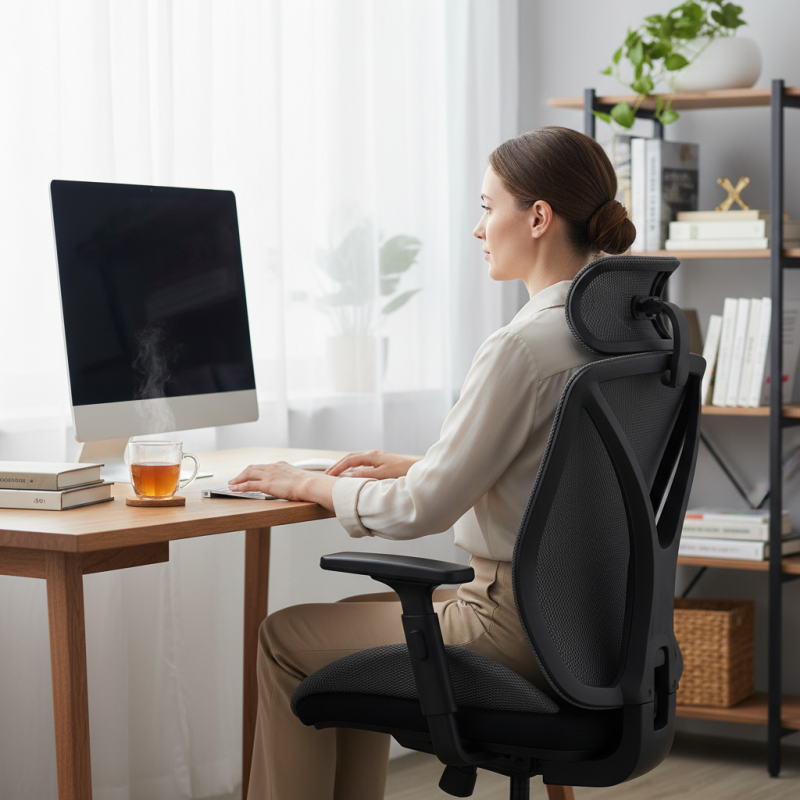
Another essential type of back support is ergonomic chairs, specifically engineered for long-term sitting. These chairs typically feature adjustable components that provide tailored support for the spine. Many designs include lumbar support, seat depth adjustment, and armrest height customization, promoting an overall healthier sitting posture. For those who prefer a more portable solution, back support belts can also be effective. These belts are worn around the lower back and help maintain proper alignment while distributing weight more evenly, which is particularly helpful for individuals who may not have access to specialized seating in their workplace.
Factors to Consider When Choosing Back Support
When selecting back support for prolonged sitting, several crucial factors must be taken into account to ensure maximum comfort and effectiveness. First and foremost, the type of support should align with your specific needs. For instance, those who experience chronic back pain may benefit from lumbar support cushions that promote proper spine alignment. Alternatively, adjustable back rests can cater to individuals with varying seating preferences, allowing for customization based on personal comfort levels.
Another vital consideration is the material of the back support. Look for breathable fabrics that maintain ventilation during long hours of use, as well as memory foam or gel-infused options that conform to your body's contours. The level of firmness is also important; while some may prefer softer materials that provide a plush feel, others might require firmer support to maintain posture. Additionally, portability can be a significant factor, especially for professionals who move between multiple workstations. A lightweight, easily transportable support system ensures you can maintain your ergonomic setup no matter where you are.
Back Support Options and Their Effectiveness
Assessing Personal Comfort and Body Mechanics
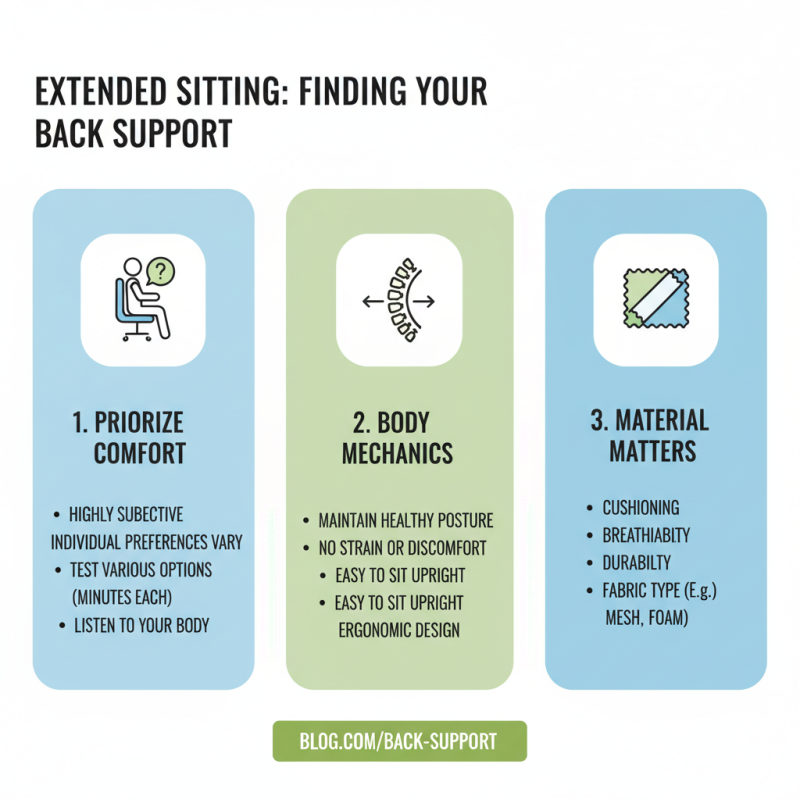
When selecting the best back support for extended periods of sitting, it is essential to prioritize personal comfort and body mechanics. Comfort can be highly subjective, as individual preferences vary greatly. To assess your comfort level, sit in various chairs and back support options for a few minutes each, paying attention to how your body reacts. A suitable support should make it easy to maintain a healthy posture without causing strain or discomfort. Consider the materials used, as some may offer better cushioning and breathability than others, which can significantly affect long-term comfort.
Body mechanics play a critical role in how well a back support performs. It should align with the natural curvature of your spine, providing support where it’s needed most. This alignment helps to reduce the risk of developing musculoskeletal issues over time. When evaluating options, look for designs that promote an ergonomic posture, allowing your hips and knees to be at a 90-degree angle while your feet rest flat on the floor. Incorporating adjustable features can further enhance fit and comfort, accommodating changes in posture throughout the day. Ultimately, the best back support should encourage a healthy sitting position, facilitating productivity and well-being during long hours of engagement.
Materials and Design Features of Effective Back Supports
When choosing the best back support for long hours of sitting, the materials and design features play a crucial role in ensuring comfort and effectiveness. High-quality back supports often utilize memory foam or gel-infused materials that contour to the shape of the spine, providing optimal support and relief from pressure points. A study published in the Journal of Ergonomics highlights that users of ergonomic chairs with memory foam reported a 30% reduction in back pain compared to traditional seating solutions. This underscores the importance of material selection in enhancing user comfort during prolonged periods of sitting.
Design features are equally important; back supports should promote proper spinal alignment and encourage active sitting postures. Supports that include lumbar rolls or adjustable strap systems allow users to customize the fit according to their body shape. According to a report by the American Chiropractic Association, 80% of individuals who use lower back supports with adjustable features experience less discomfort during long hours of desk work. Additionally, breathable fabric covers can enhance airflow, reducing sweat and discomfort, which is essential for maintaining focus and productivity during extended periods of sitting. Such thoughtful design elements not only contribute to physical well-being but also support mental clarity and concentration.
Tips for Using Back Support for Optimal Results
When utilizing back support for prolonged sitting, it’s crucial to position it correctly to achieve the best results. Start by ensuring that the support aligns with the natural curve of your spine. Commonly, this means placing the lumbar support at the lower back, where it can fill the gap between your back and the chair. Adjust the height of your chair or the support itself so that it maintains this alignment as you sit back. This will help to ameliorate discomfort and promote better posture, reducing the risk of strain over time.
Moreover, regularly adjusting your sitting position can significantly enhance the effectiveness of your back support. Aim to change positions at least once an hour, whether by shifting your weight, standing, or taking short breaks to stretch. Incorporating these movements not only helps in alleviating pressure on your back but also encourages circulation, which can fight fatigue. Additionally, consider the material of your back support; breathable fabrics can enhance comfort during long periods of use, making it easier to adhere to good habits while seated. Being mindful of these tips will ensure you maximize the benefits of your back support throughout your day.
How to Choose the Best Back Support for Long Hours of Sitting - Tips for Using Back Support for Optimal Results
| Criteria |
Recommendation |
Benefits |
| Lumbar Support Type |
Adjustable Lumbar Support |
Provides personalized comfort, aligning the spine. |
| Material |
Memory Foam |
Conforms to body shape, reduces pressure points. |
| Size |
Standard Size |
Fits a wide range of body types for better ergonomics. |
| External Features |
Adjustable Straps |
Ensures secure placement and ease of use. |
| Usage Tips |
Regular Breaks |
Promotes blood circulation and reduces fatigue. |