How to Choose the Best Ankle Sleeves for Your Needs?
Choosing the best ankle sleeves can significantly impact your comfort and performance. Many athletes and everyday users need support for their ankles. However, not all ankle sleeves are created equal. With so many options, selecting the right one can feel overwhelming.
Consider your specific needs. Do you have a history of ankle injuries? Or are you looking for added support during workouts? Ankle sleeves vary in material, compression levels, and design. Some may provide excellent support but restrict movement. Others might be too loose and fail to offer adequate compression.
It's essential to reflect on what works best for you. Research user reviews to gather insights. Don’t forget to try on different brands. A perfect fit is crucial for comfort. Remember, the right ankle sleeves can make a significant difference in your daily activities or sports performance.
Understanding the Different Types of Ankle Sleeves Available
When selecting ankle sleeves, it’s crucial to understand the various types available.
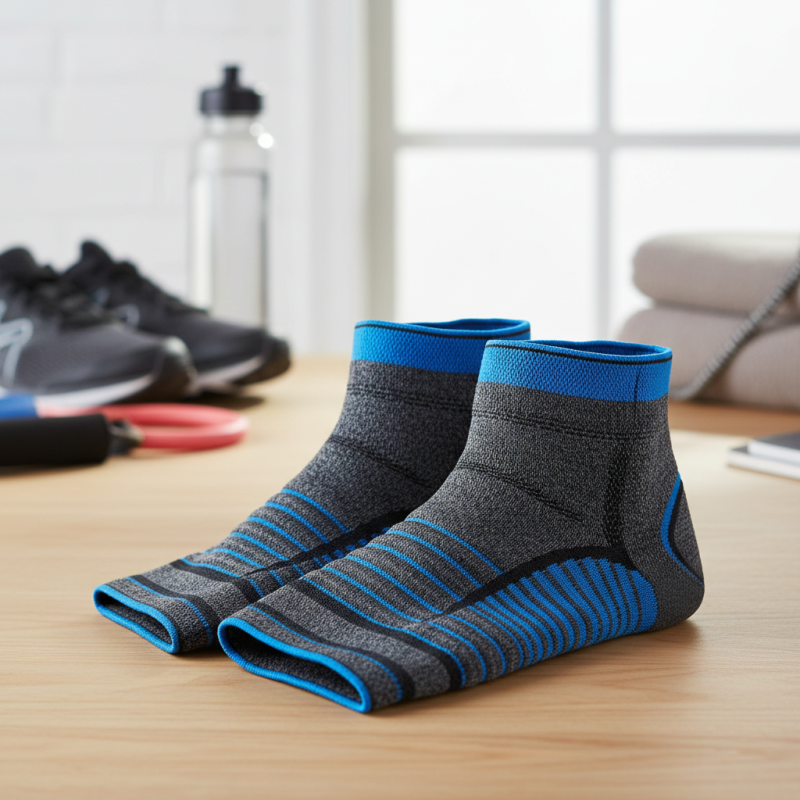
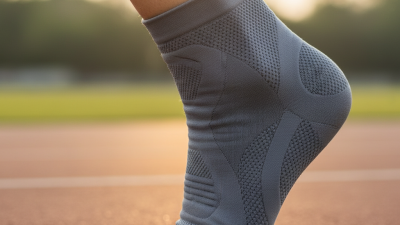
Compression sleeves are popular for athletes.
They provide support and improve blood circulation. According to sports medicine studies,
proper compression can enhance performance by up to 10%
in some cases. This kind of sleeve is often made from elastic materials that offer snugness
without restricting movement. They are ideal for those with mild to moderate pain.
Another option is stabilizing sleeves.
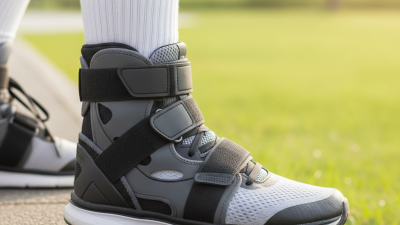
These usually incorporate additional materials to provide more rigid support. They can prevent
ankle injuries during high-impact sports. Research shows that stabilizing sleeves may reduce the
risk of sprains by nearly 25%. However,
they may feel bulkier and affect mobility.
Tips: Choose a sleeve based on your specific needs. Think about the level of support required.
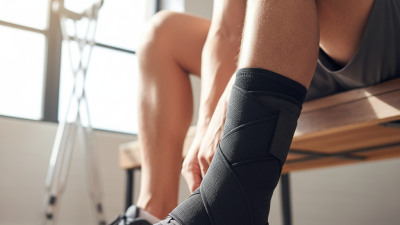
If you are recovering from an injury, prioritize stability. For day-to-day wear, a compression sleeve may suffice.
Pay attention to the fit. Not all ankle sleeves fit the same way. You might need a size adjustment after trying a few.
Finally, remember that not all sleeves are created equal. Some may slip during activity. Others may retain moisture,
causing discomfort. Keep these factors in mind when making your choice.
Identifying Your Specific Needs for Ankle Support
When choosing ankle sleeves, it is essential to identify your specific needs for support. Consider whether you have an injury or just need preventative care. Ankle sleeves vary in compression levels. Some are designed for mild support, while others provide maximum stability. Think about your activity level. If you play sports, you might need something more robust. For daily wear, a lighter option may be sufficient.
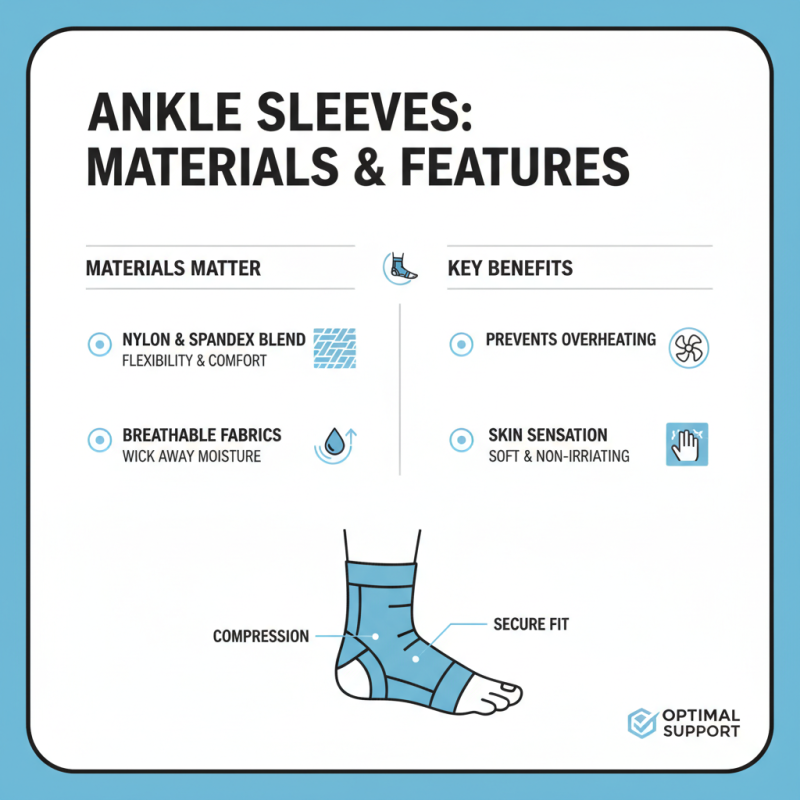
Pay attention to the materials used in the sleeves. Breathable fabrics can enhance comfort during long wear. You may want a sleeve that wicks away moisture. Ankle sleeves should also fit snugly but not be restrictive. A tight fit can cause discomfort.
If you are uncertain, choose a size that allows for slight movement. Sometimes, you may need to experiment with different styles. Finding the right ankle sleeve may take time, but this is okay. Every foot is unique, and what works for one person may not work for another.
Considering Size and Fit for Maximum Comfort
Choosing the right ankle sleeve is crucial for your comfort. Size and fit play significant roles in ensuring the sleeve supports your ankle effectively. A well-fitting sleeve will provide targeted compression where you need it most. It should feel snug, but not too tight. You shouldn't experience any pinching or discomfort.
Tip: Measure your ankle before buying. Use a soft tape measure to get an accurate size. You might find that different brands have varying sizing charts. Always check these before making your choice.
The material matters as well. Breathable fabrics can help keep your skin dry. If you sweat a lot, you might find thicker materials uncomfortable. Test how it feels during movement. Sometimes what looks great on paper doesn't work in real life.
Tip: Consider your activity level. Different sleeves cater to various activities. If you're running, your requirements differ from those of someone lifting weights. Don't hesitate to try multiple options until you find the perfect fit. In the end, comfort is key.
Comparing Prices and Brands for Value and Quality
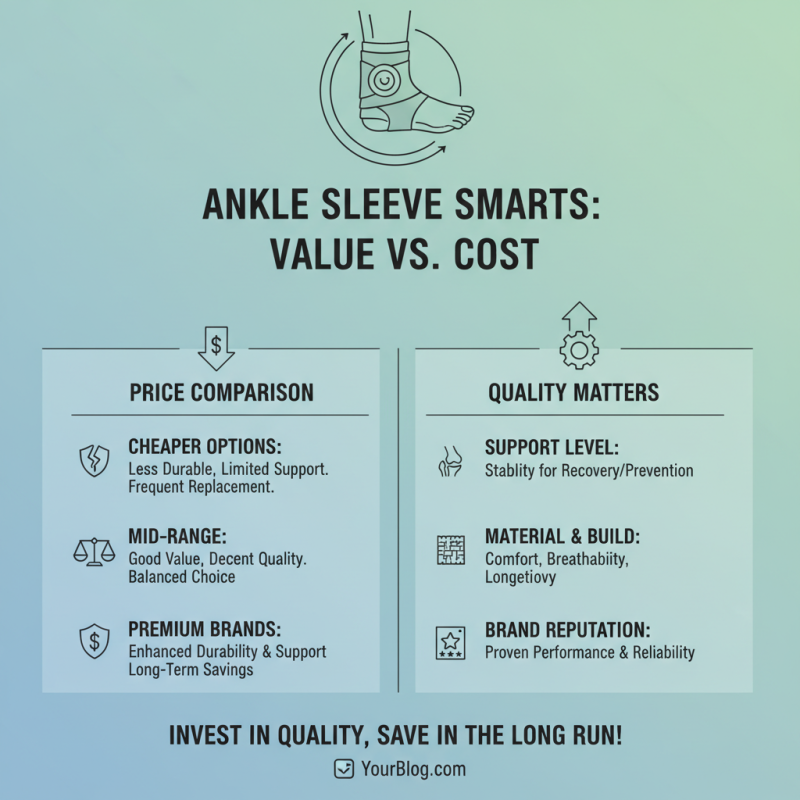
When selecting ankle sleeves, price comparisons are crucial. Many options exist at varying price points. Cheaper sleeves may lack durability or support. It’s essential to weigh these factors against your budget. Investing in quality might save money in the long run. Some affordable options can perform well but may need replacements sooner.
While exploring brands, quality must remain a priority. Some brands prioritize marketing over functionality, leading to disappointment. Read customer reviews to gauge effectiveness. Pay attention to materials used; breathable fabric is essential for comfort. Try to find the balance between cost and quality. It’s not always easy, but worth the effort.
Finding a sleeve that fits your specific needs can be tricky. What works for one person may not suit another. Consider specific features such as compression level and size. Personal preference should guide your choices. Reflect on your experiences with previous purchases. This reflection can inform future decisions, helping to avoid past mistakes.