Leave Your Message

Best Sports Brace Solutions for Global Buyers to Consider?

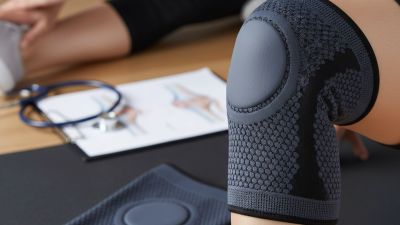
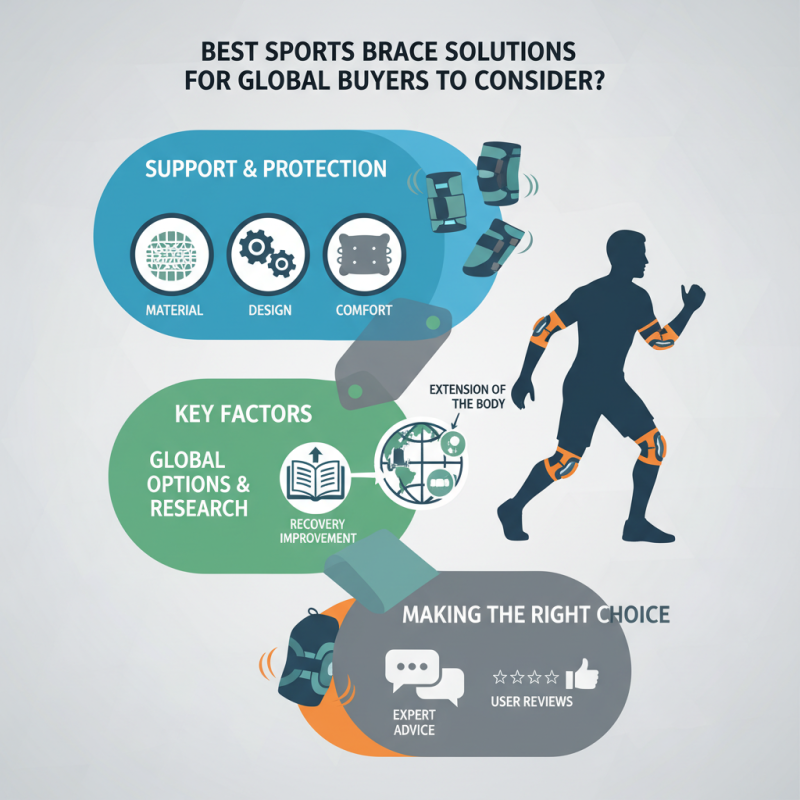
Sports braces are essential tools for athletes and active individuals. They provide support, reduce injury risks, and aid recovery. Choosing the right sports brace can be challenging. Various factors influence the effectiveness of these products. It's crucial to consider material, design, and comfort in each decision.

The global market offers numerous options for buyers. Some braces focus on specific body parts, like knees or wrists. Others provide general support to enhance performance. Evaluating products requires attention to detail and personal needs. Academic research has shown that the right brace can significantly improve recovery times.

However, not all sports braces are created equal. Some may not fit well, while others could restrict movement. It’s important to gather reliable information. Consulting experts and reading user reviews can guide potential buyers. Sports braces should feel like an extension of the body, not a hindrance. In this competitive market, thoughtful choices can make a difference.
Best Sports Brace Solutions for Global Buyers to Consider?

Best Sports Brace Types for Different Athletes and Their Needs

Athletes often face unique challenges. Finding the right sports brace can make a significant difference in performance and recovery. Different types of braces cater to distinct needs, ensuring that athletes are supported based on their specific requirements.

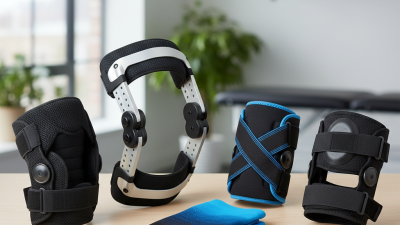
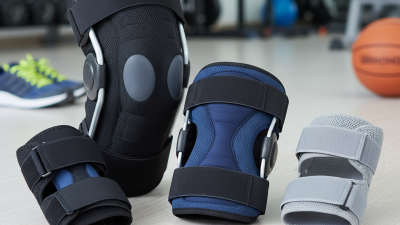
Knee braces are essential for runners and basketball players. They stabilize the joint and reduce the risk of injury. For weightlifters, wrist supports provide the necessary compression and stability. Ankle braces are crucial for soccer and tennis players, as they protect against sprains while allowing agility.

Tips: Proper fitting is vital. A poorly fitted brace may impede movement. Consider factors like material breathability and restrictiveness. Always consult with a healthcare professional before making a selection. Reflect on your activity level; not all braces work for everyone. Listen to your body and adjust your support accordingly. Find what works best for you.

Best Sports Brace Solutions for Global Buyers to Consider

Brace Type Primary Use Target Athlete Key Features Price Range (USD)
Knee Brace Stability & Support Basketball Players Adjustability, Breathable Material $30 - $100
Ankle Brace Support & Injury Prevention Soccer Players Lightweight, Compression Fit $20 - $75
Elbow Brace Pain Relief & Support Tennis Players Neoprene Material, Adjustable Straps $25 - $80
Wrist Brace Support & Stabilization CrossFit Athletes Durable, Adjustable Fit $15 - $50
Back Support Brace Posture Correction Weightlifters Lumbar Support, Comfortable Fit $40 - $120

Market Trends: Growth of Sports Brace Industry Worldwide

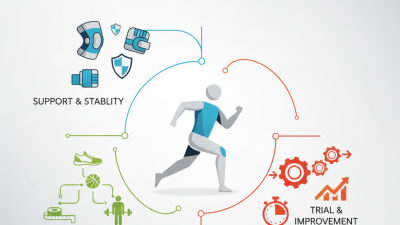
The sports brace industry has seen remarkable growth globally in recent years. This surge can be attributed to increasing awareness of sports injuries and the need for preventive measures. Athletes and fitness enthusiasts alike are seeking reliable solutions to enhance their performance while minimizing risks. The demand for innovative, user-friendly designs in sports bracing has prompted manufacturers to invest in advanced materials and technology.

Tips: When choosing a sports brace, consider the level of support you need. For light activities, a simple sleeve might suffice. For more intense sports, a brace with adjustable features offers better stability.

The global market trends also indicate a shift toward personalized solutions. Custom-fitted braces can provide superior comfort and effectiveness. This trend reflects a growing understanding of individual body mechanics and injury patterns. As customization becomes more accessible, athletes are likely to favor products that cater specifically to their needs.

Tips: Always consult a healthcare professional before selecting a brace. They can help identify your specific requirements and guide you to suitable options. Don't overlook the importance of proper sizing. An ill-fitting brace may do more harm than good.

Global Sports Brace Market Trends

Key Features to Look for in High-Quality Sports Braces

Best Sports Brace Solutions for Global Buyers to Consider?

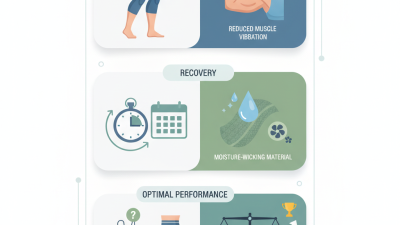
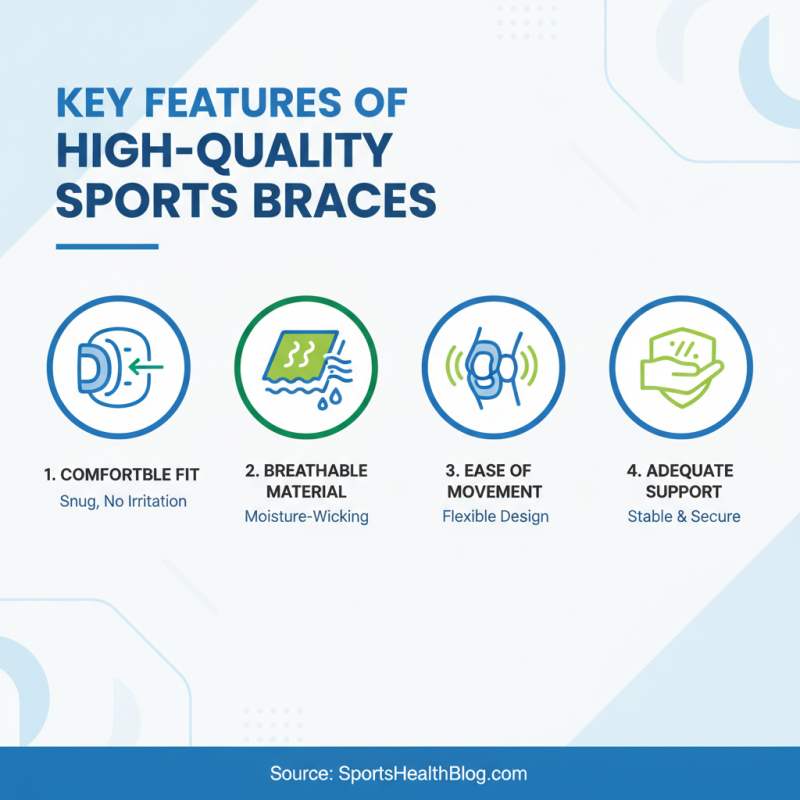
When selecting high-quality sports braces, there are several key features to consider. Comfort is crucial. A brace should fit snugly without causing irritation. Breathable materials enhance comfort during physical activities. Look for moisture-wicking fabrics that help keep the skin dry. The design should allow for ease of movement while providing adequate support.

Another important aspect is adjustability. A good brace should offer adjustable straps or closures. This feature allows for a more personalized fit, accommodating different body sizes and shapes. Additionally, consider the level of support the brace provides. Those engaged in high-impact sports may need braces with more substantial reinforcement. However, excessive stiffness can impede mobility, making careful selection essential.

Finally, durability cannot be overlooked. High-quality materials ensure longevity, even with frequent use. Check for reviews or professional recommendations to gauge reliability. Balancing these features may be challenging. Some braces may excel in comfort but lack support. Others might be too rigid yet offer excellent stability. Taking time to evaluate options is worthwhile for optimal performance and injury prevention.

Comparative Analysis of Popular Sports Brace Brands and Models

Best Sports Brace Solutions for Global Buyers to Consider?

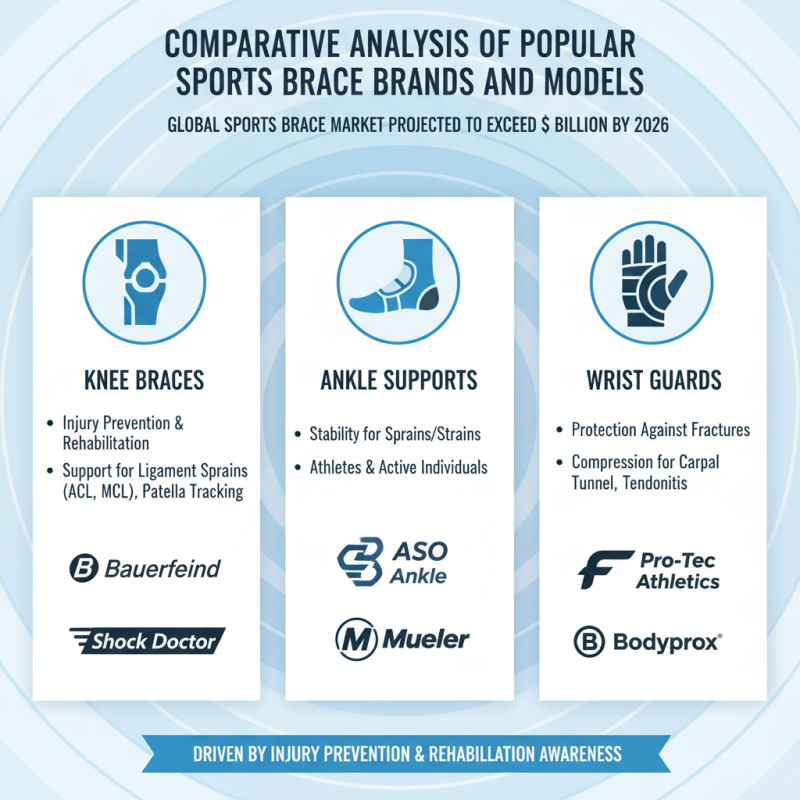
When exploring sports brace solutions, it’s essential to understand the diversity in the market. A recent report by the Global Sports Brace Market suggests that the sector is projected to grow significantly, reaching over $1 billion by 2026. This growth is driven by increasing awareness of injury prevention and rehabilitation. Popular categories within this market include knee braces, ankle supports, and wrist guards. Each of these categories caters to specific needs based on various sports.

A comparative analysis of leading brands shows distinct variations in design, material, and functionality. For instance, many braces focus on providing compression, while others prioritize flexibility and support. User feedback is critical, with many athletes expressing concerns over comfort and durability. Some models, although well-rated, may wear out quickly under intense physical activity. The study also highlights that while price is a significant factor, users often choose products based on personal experience and professional recommendations.

Additionally, there’s a growing need for customizable options. Many consumers feel that off-the-shelf products do not adequately address their unique requirements. The challenge remains: finding the right balance between support and comfort. The industry is continually adapting, but many users still encounter frustration when selecting the best brace for their situations. A thoughtful choice can enhance performance and health, yet the perfect solution may still be elusive for many athletes.

Consumer Feedback: Performance and Satisfaction Ratings of Sports Braces

When choosing sports braces, consumer feedback is crucial. Many athletes share experiences that highlight performance and comfort. Reviews often mention the importance of fit. A snug fit can greatly enhance stability during activities. Yet, some users report discomfort after prolonged use. These insights are invaluable for potential buyers.

Satisfaction ratings vary widely. Many athletes praise materials that wick moisture and provide breathability. This is essential for maintaining comfort during intense workouts. However, others express concerns over durability. Some braces wear out quicker than expected. This inconsistency leads to mixed reviews, which buyers must weigh carefully.

In terms of performance, users tend to focus on support levels. A higher level of support often correlates with increased confidence during play. Yet, finding the right balance between support and mobility can be tricky. Some braces restrict movement, diminishing athletic performance. This creates a dilemma for many athletes. They seek support but also require freedom of motion.