10 Best Lumbar Cushions for Ultimate Comfort and Support
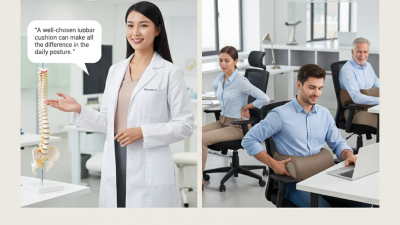
In today's fast-paced world, comfort and support are essential for a healthy lifestyle. Experts in ergonomics emphasize the importance of a good Lumbar Cushion. Dr. Jane Wilson, a renowned physiotherapist, once said, "A quality lumbar cushion can transform your sitting experience." As many people struggle with back pain, lumbar cushions have gained popularity for their ability to alleviate discomfort.
Choosing the right Lumbar Cushion can be tricky. There are many options available, each claiming to provide comfort and support. However, not all cushions meet everyone’s needs. It's crucial to consider individual requirements. A cushion that works wonders for one person may not be suitable for another. Finding the perfect fit involves some trial and error.
Despite the variety of options, many users report dissatisfaction. Some cushions lose their shape quickly. Others offer minimal support. These issues highlight the need for careful selection. Investing time in research and testing different products is vital. Ultimately, a quality Lumbar Cushion can truly enhance your daily sitting experience.
What is a Lumbar Cushion and Its Benefits for Back Support?
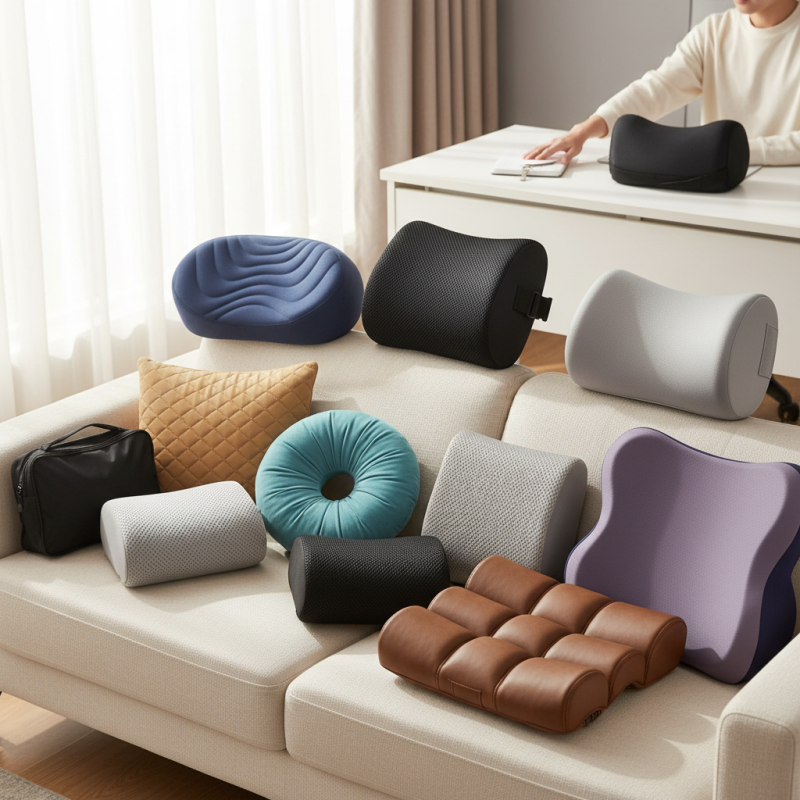
A lumbar cushion is designed to support the natural curvature of your spine. It fits snugly against your lower back, alleviating pain and discomfort. Many people struggle with back pain, especially those who sit for long periods. The right lumbar cushion can provide much-needed relief and improve posture. It helps distribute your weight evenly, reducing the strain on your back muscles.
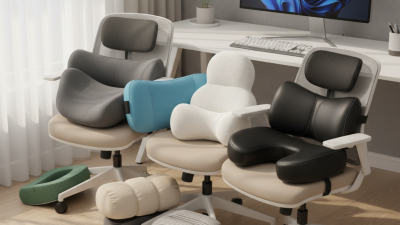
When choosing a lumbar cushion, consider its material and design. Memory foam offers excellent support while conforming to your body shape. Some cushions come with adjustable straps, allowing you to secure them to your chair. This prevents shifting during use, enhancing comfort. It's important to find a cushion that does not feel too hard or too soft. A balance is key.
Tips: Test different cushions to find one that suits your needs. Keep in mind that your comfort may change throughout the day. Remember to take breaks and move around. Sitting for too long, even with a cushion, can lead to stiffness. Listening to your body is vital to maintaining good back health.
Key Features to Consider When Choosing a Lumbar Cushion
When choosing a lumbar cushion, there are several key features to consider.
Support is crucial. The cushion should align with the natural curve of your spine.
Research indicates that proper lumbar support can reduce lower back pain by up to 30%. Many people underestimate this aspect.
The cushion's material plays a vital role as well. Memory foam tends to adapt better to body shapes.
Studies suggest that it can enhance comfort significantly compared to traditional materials.
Size and shape are important too. A cushion that is too large or too small may not provide adequate support.
It's essential to ensure that the cushion fits well in your chair.
A well-fitted cushion can prevent slouching, which many people struggle with daily.
Ergonomics experts emphasize that cushions should not only support the lower back but also encourage good posture.
This is often overlooked in many choices.
Finally, consider the cushion's cover material.
Breathability can affect comfort, especially during prolonged use.
A breathable cover can help keep you cool. A survey indicated that 65% of users preferred cushions with special fabrics for enhanced comfort.
It's important to think critically about these features to ensure you invest wisely in your lumbar support.
Top 10 Lumbar Cushions Reviewed for Comfort and Ergonomics
When searching for the best lumbar cushions, comfort and ergonomics should be the primary focus. Lumbar cushions support the natural curve of your lower back. This support helps reduce strain during long hours of sitting. A quality cushion fits snugly and can be easily adjusted. Some cushions have adjustable straps for a secure fit. Look for materials that allow airflow to avoid discomfort from heat.
Many options feature memory foam, known for its contouring properties. Memory foam provides excellent support while hugging your back's shape. However, some users find it may feel too firm at first. Ensuring the right thickness is crucial. Too thick can push you too far forward, while too thin may lack support.
Not all lumbar cushions are created equal. Some users complain of excessive bulkiness, affecting chair space. Others find them slipping out of place. Therefore, a cushion that balances support and compatibility with different seating is essential. Ultimately, your choice should reflect your specific needs and preferences.
10 Best Lumbar Cushions for Ultimate Comfort and Support
This bar chart illustrates the comfort rating and price of the top 10 lumbar cushions reviewed for ergonomics. Each cushion is rated based on user feedback.
Maintenance Tips to Extend the Lifespan of Your Lumbar Cushion
Taking care of your lumbar cushion is essential to keep it comfortable and supportive for years. Regular cleaning is crucial. Use mild soap and a damp cloth to wipe down the surface. Avoid harsh chemicals that may degrade the material. Spot cleaning also helps maintain its appearance. Pay attention to stains before they set in. This can prevent lasting damage.
Proper storage can extend your cushion's lifespan. When not in use, store it in a dry place. Avoid extreme temperatures or direct sunlight. These can warp the cushion over time. Check for any wear and tear regularly. If you notice any signs of damage, consider repairing it immediately. Ignoring small issues may lead to more significant problems later.
Consider rotating your cushion occasionally. This allows the material to wear evenly. It may also recapture lost shape over time. Each use can bring about certain imperfections. These quirks can remind us to reflect on the importance of care and maintenance. Keeping your lumbar cushion in good condition requires consistent effort, but it pays off in comfort.
10 Best Lumbar Cushions for Ultimate Comfort and Support
| Cushion Type |
Material |
Dimensions (inches) |
Weight (lbs) |
Price ($) |
| Memory Foam |
Viscoelastic Foam |
18 x 14 x 5 |
2.5 |
35 |
| Gel Cushion |
Gel-infused Foam |
17 x 13 x 4 |
1.8 |
40 |
| Lumbar Roll |
High-Density Foam |
12 x 6 x 6 |
1.0 |
25 |
| Inflatable Cushion |
PVC |
18 x 12 x 4 |
1.5 |
15 |
| Orthopedic Cushion |
Memory Foam |
16 x 14 x 5 |
3.0 |
50 |
| Posture Support |
Latex |
18 x 12 x 4 |
2.0 |
30 |
Maintenance Tips to Extend the Lifespan of Your Lumbar Cushion
- Keep it clean: Use a mild detergent on removable covers.
- Avoid direct sunlight: Protect your cushion from fading.
- Store properly: Keep flat or in a breathable cover when not in use.
- Rotate regularly: Use different sides to prevent wear.
- Check for damage: Replace if any tears or defects are found.