Best Knee Brace Tips for Pain Relief and Support Guide?
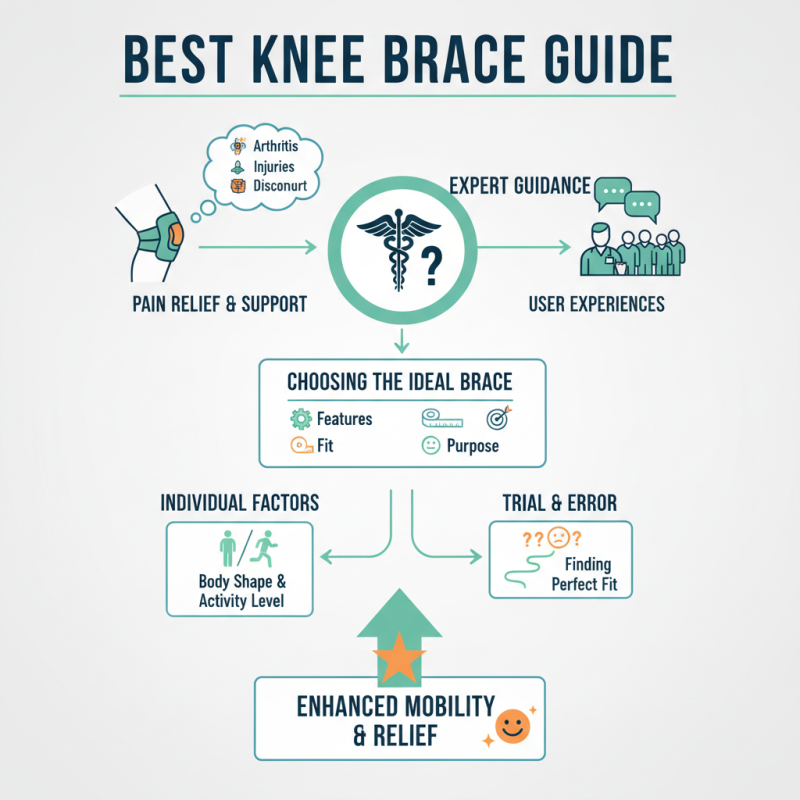
When it comes to managing knee pain, finding the right support is crucial. The **Best Knee Brace** can offer significant relief for various conditions, including arthritis, injuries, and general discomfort. Choosing the ideal brace requires understanding its features, fit, and purpose.
Many people overlook the importance of consulting with a healthcare professional. Expert guidance can ensure you choose a brace tailored to your needs. Additionally, personal experiences shared by users can inform your decision. Reviews often highlight how certain braces improve mobility while providing comfort.
It's essential to remember that not every brace will work for everyone. Individual factors, like body shape and activity level, play a vital role in effectiveness. You might need to try several options before finding the perfect fit. This exploration can be frustrating. However, it's a necessary step toward achieving the right support for your knees. Choosing the **Best Knee Brace** may lead to valuable relief and enhanced mobility in daily life.
Understanding Knee Pain: Causes and Symptoms
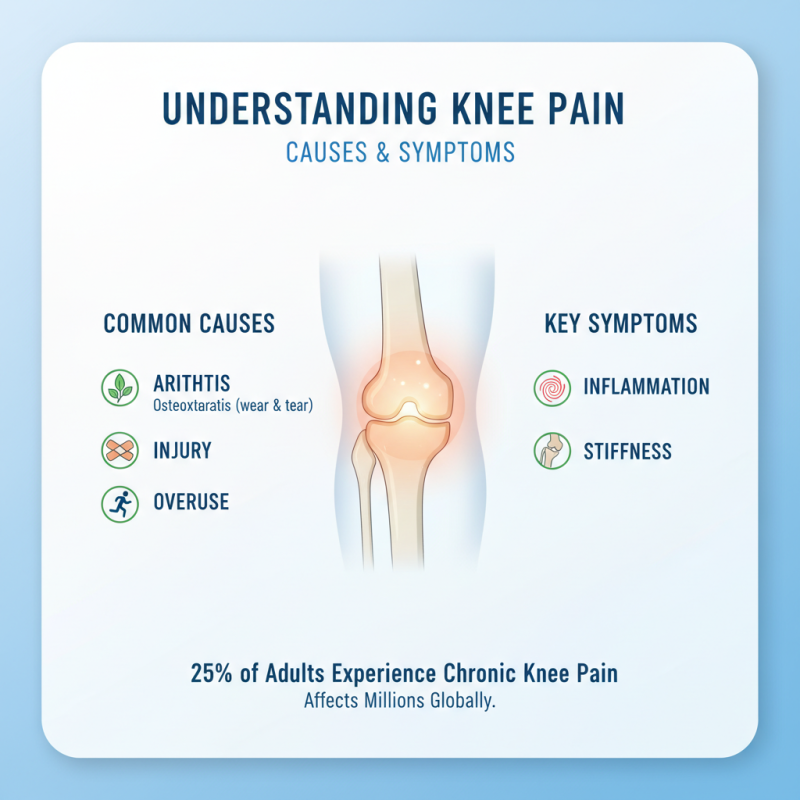
Knee pain can have various causes, affecting millions globally. Studies indicate that around 25% of adults experience chronic knee pain. This discomfort can stem from arthritis, injury, or overuse. Osteoarthritis, the most common form, often results from wear and tear over time. It leads to inflammation and stiffness.
Recognizing symptoms is crucial. Typical signs include swelling, tenderness, and limited mobility. A person may feel a grinding sensation during movement. About 41% of individuals with knee issues report difficulty in daily activities due to pain. Understanding these symptoms can help in seeking timely treatment.
Moreover, age plays a significant role in knee issues. As people age, joint cartilage deteriorates. This natural process highlights the importance of preventive measures. Regular exercise can strengthen the muscles surrounding the knee. Weight management is also vital, as excess weight adds stress to knee joints.
Different Types of Knee Braces and Their Functions
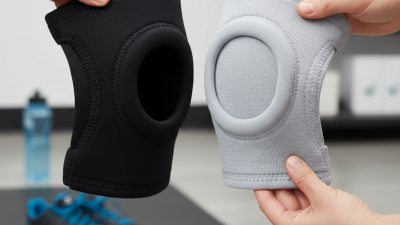
Choosing the right knee brace can significantly affect your comfort and mobility. There are several types of knee braces available, each designed for specific purposes. For example, a hinged knee brace provides stability for weakened ligaments. Compression braces aid in swelling reduction and pain relief. Lastly, support braces are ideal for individuals recovering from surgery.
When selecting a knee brace, consider the type of activity you engage in. For those participating in sports, a brace that offers both stability and comfort is essential. Pay attention to the fit; an ill-fitting brace may worsen your condition or cause new injuries.
Remember to consult with a healthcare professional or a physical therapist before making a decision. They can guide you towards the best option for your needs. Always listen to your body. If a brace feels uncomfortable, re-evaluate. Finding the right knee brace can be a process. Be patient and make adjustments as necessary.
Choosing the Right Knee Brace for Your Condition
Choosing the right knee brace is crucial for providing the support and pain relief you need. When selecting a brace, consider your specific condition. Whether you have arthritis, a ligament injury, or patellar tendinitis, a tailored solution is essential. A well-chosen brace can stabilize your knee and help alleviate pain during daily activities.
Tips for finding the right brace include assessing the level of support you need. Some braces offer rigidity, ideal for severe injuries, while others provide mild support for minor discomfort. It’s important to try different styles. The fit should feel secure yet comfortable. Tightness may restrict circulation, while a loose brace won’t provide adequate support.
Pay attention to material and breathability. A good brace should allow airflow to prevent overheating. Also, remember that regular adjustments may be required to maintain effectiveness. It’s not uncommon to feel uncomfortable initially, so give yourself time to adapt. If you experience increased pain or discomfort, consult a healthcare professional for guidance.
How to Properly Fit and Adjust Your Knee Brace
When fitting a knee brace, precision is key. First, measure the circumference of your thigh and calf. Use a soft tape measure for accuracy. Next, identify the knee's center point. This ensures correct support. A well-fitted brace should not be too loose or too tight. Aim for comfort while ensuring stability.
Adjust the straps carefully. Start with the straps on the thigh, then move to the calf. A snug fit encourages proper alignment but does not restrict blood flow. Check the brace's placement during movement. If it shifts or slips, readjust as needed. Takes time to find the perfect fit, but it's worth the effort.
For effective use, wear the brace consistently. This helps minimize pain and promotes healing. Take breaks to allow your skin to breathe. If discomfort arises, reassess the fit. It’s crucial to listen to your body. Healing is a personal journey requiring patience and trial.
Best Knee Brace Tips for Pain Relief and Support Guide
| Tip |
Description |
Recommended Adjustment |
| Choose the Right Brace |
Select a knee brace that fits your specific condition, whether it's for support, pain relief, or post-surgical use. |
Make sure the brace type matches your activity level and needs. |
| Proper Sizing |
Measure your knee circumference and refer to sizing charts to ensure a snug fit without being restrictive. |
Check the size frequently, especially after swelling reduces. |
| Adjust Straps for Comfort |
Ensure straps are adjusted evenly for support and comfort. They shouldn’t cut into the skin. |
Loosen the straps if you feel excessive pressure. |
| Wear with Proper Alignment |
Position the brace so that the patellar area is aligned properly over the kneecap for maximum support. |
Adjust the brace's position by shifting it slightly above or below the kneecap. |
| Regular Breaks |
Take breaks from wearing your knee brace to avoid skin irritation and muscle atrophy. |
Remove the brace every few hours for 15-30 minutes. |
Tips for Maximizing Pain Relief with Knee Bracing
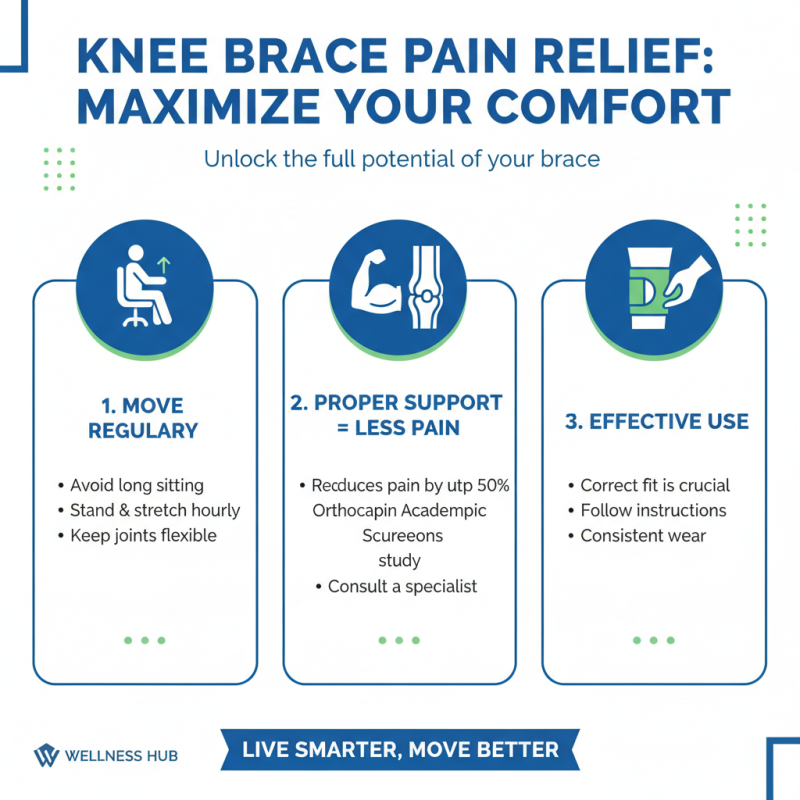
Knee braces can provide significant relief for those suffering from knee pain, but maximizing their benefits requires understanding how to use them effectively. Sitting for long periods can exacerbate knee issues. Instead, taking breaks and gently stretching every hour can keep joints flexible. A study by the American Academy of Orthopaedic Surgeons suggests that proper knee support can reduce pain by up to 50% in some patients.
Choosing the right type of knee brace is crucial. A study published in the Journal of Orthopaedic Research indicates that braces offering firm support can help patients with osteoarthritis. Adjusting the fit is essential for maximum comfort. A brace that is too tight can restrict blood flow, leading to discomfort. It is important to adjust the straps to ensure a snug but not overly tight fit.
Many users overlook the impact of physical therapy combined with bracing. Incorporating both can lead to better outcomes. For instance, strengthening the muscles around the knee can provide additional support, making bracing more effective. According to recent research, patients who combine bracing with targeted exercises report higher satisfaction levels than those using a brace alone. Understanding these factors can lead to more effective pain management strategies.