What is the Best Knee Brace for Arthritis Pain Relief and Support
When managing arthritis pain, finding the right support is crucial for maintaining mobility and quality of life. The search for the best knee brace for arthritis can often feel overwhelming, with numerous options available on the market. Dr. Jane Smith, a leading expert in orthopedic rehabilitation, emphasizes, "A well-fitted knee brace for arthritis not only provides pain relief but also promotes proper alignment and stability." This highlights the important role that knee braces play in supporting individuals suffering from this chronic condition.
Knee braces for arthritis come in various designs, each offering different levels of support and comfort. Whether it's an adjustable neoprene brace for gentle compression or a rigid brace for maximum stability, understanding the specific needs can significantly impact pain management. It’s essential that individuals consult with healthcare professionals to determine the most appropriate type of knee brace for their unique situation.
Finding the right knee brace for arthritis can help alleviate discomfort and enable patients to lead more active lives. With guidance from experts and an understanding of personal needs, patients can navigate their options effectively, paving the way for improved mobility and a better quality of life.
Understanding Arthritis and Its Impact on the Knee
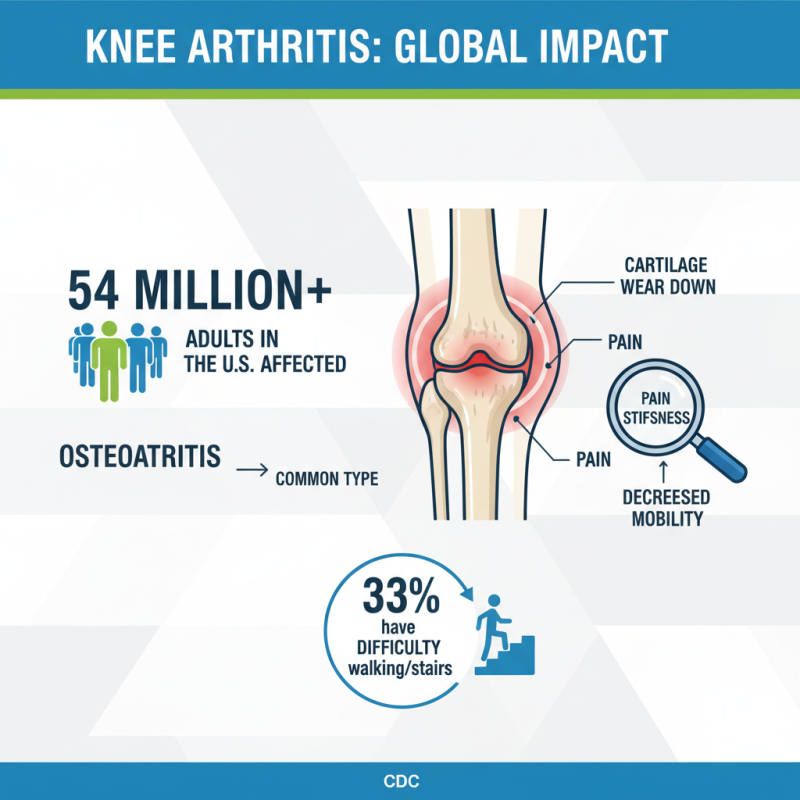
Arthritis is a prevalent condition that significantly impacts millions of individuals globally, particularly affecting the knee joint. According to the CDC, approximately 54 million adults in the United States have been diagnosed with some form of arthritis, with osteoarthritis being the most common type affecting the knee. This degenerative joint disease occurs when the cartilage that cushions the knee wears down over time, leading to pain, stiffness, and decreased mobility. Research indicates that knee pain related to arthritis can severely affect daily activities and overall quality of life, with 33% of patients reporting difficulty performing basic tasks such as walking or climbing stairs.
The impact of arthritis on the knee is not merely physical; it also has psychological and social implications. The Chronic pain experienced can lead to anxiety and depression among patients, with studies showing that those suffering from knee arthritis are more likely to report symptoms of mental health disorders. Additionally, the economic burden is significant; it is estimated that arthritis-related healthcare costs will exceed $300 billion annually in the U.S. by 2040. Consequently, understanding arthritis and its effects on the knee becomes crucial for both patients and healthcare providers, as it underscores the need for effective management strategies, including appropriate support devices like knee braces, to alleviate pain and improve mobility.
Types of Knee Braces for Arthritis Pain Relief
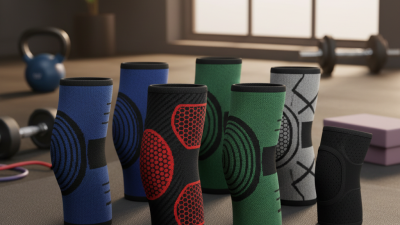
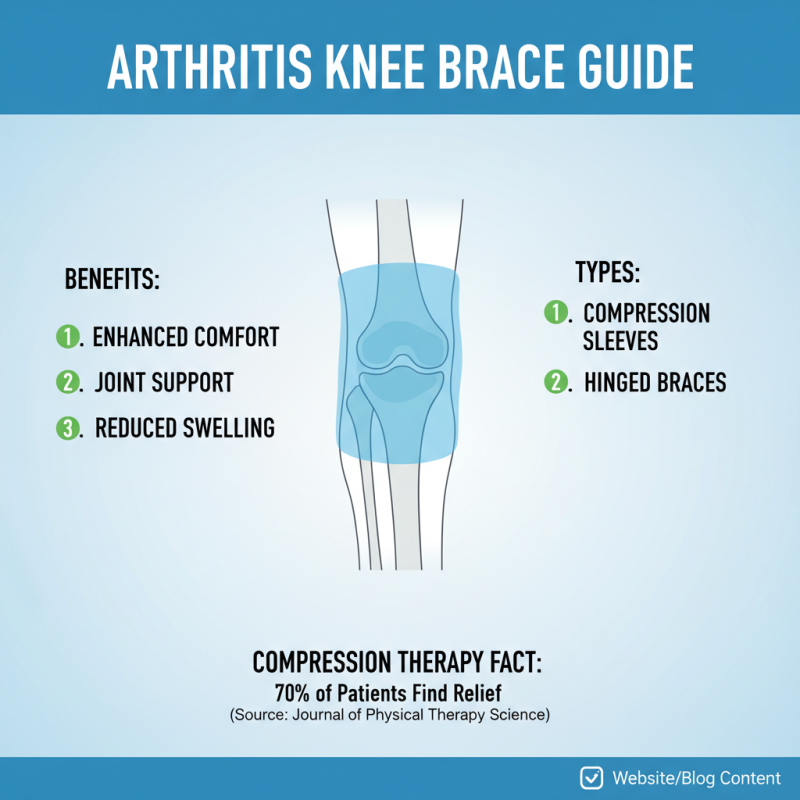
When it comes to managing arthritis pain, the right knee brace can significantly enhance comfort and support. There are several types of knee braces specifically designed for arthritis sufferers, each offering unique benefits. Compression braces, for example, help reduce swelling and improve blood circulation around the knee joint. According to a study published in the *Journal of Physical Therapy Science*, compression therapy can alleviate symptoms in approximately 70% of patients suffering from knee arthritis, providing a non-invasive alternative to medication.
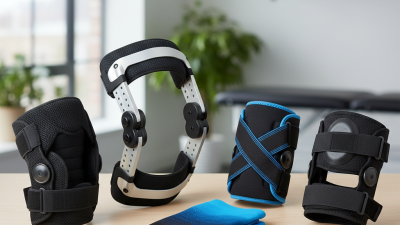
Another popular option is the rigid or hinge knee brace, which offers increased stability and is particularly useful for individuals with significant joint instability. Research indicates that these braces can help distribute stress across the knee, leading to improved function and decreased pain levels during activities. A 2022 report from the Arthritis Foundation highlighted that patients using hinge braces reported a 30% reduction in pain during daily movements, underscoring their importance in a comprehensive arthritis management plan.
Lastly, unloader braces are specifically designed to relieve pressure on the affected side of the knee, making them ideal for individuals with osteoarthritis. A study published in *Clinical Orthopaedics and Related Research* found that unloader braces can reduce pain by up to 50% during weight-bearing activities, offering substantial relief for those struggling with arthritis. By understanding the various types of knee braces available, individuals can make informed choices that enhance their quality of life and support their mobility.
Key Features to Look for in a Knee Brace
When selecting a knee brace for arthritis pain relief, it’s essential to focus on key features that enhance support and comfort. First, look for a brace that offers adequate stabilization. A design that includes side stabilization can help prevent excessive movement and reduce joint strain, which is particularly beneficial for individuals suffering from arthritis. Adjustable straps are also important, as they allow for a customizable fit, ensuring that the brace stays securely in place during daily activities without restricting circulation.
Another critical feature to consider is the material of the brace. Breathable and moisture-wicking fabrics can enhance comfort during use, especially for those who may wear a brace throughout the day. Additionally, a knee brace with cushioning or padding provides extra comfort and protection against pressure points, alleviating discomfort associated with arthritis. Furthermore, consider the level of compression offered by the brace; a moderate level of compression can improve circulation and support joint stability, contributing to overall pain relief.
Benefits of Using Knee Braces for Arthritis Management
Knee braces can be a vital tool for managing arthritis pain, providing both support and relief for individuals dealing with this condition. According to research published in the Journal of Orthopaedic Surgery and Research, knee braces can significantly reduce pain levels by stabilizing the joint and redistributing the load across the knee. This can lead to decreased strain on affected areas, potentially delaying the progression of arthritis. For many patients, the support offered by a knee brace allows for improved mobility and a more active lifestyle, which is essential for overall health.
When considering the benefits of knee braces, it is essential to note that they can be used in conjunction with physical therapy and medication for comprehensive management. A study from the American Academy of Orthopaedic Surgeons highlighted that combining these methods often results in better outcomes for patients, as the brace helps to maintain joint alignment and offers compression that can alleviate swelling.
Tips for choosing the right knee brace include ensuring proper fit and comfort, as a poorly fitted brace can exacerbate discomfort rather than relieve it. It is also advisable to consult a healthcare professional about the appropriate type of brace based on individual needs and the severity of arthritis symptoms. Regularly checking the brace for wear and tear can also ensure optimal support throughout its use, facilitating better management of arthritis pain.
What is the Best Knee Brace for Arthritis Pain Relief and Support
| Brace Type |
Material |
Support Level |
Features |
Price Range |
User Rating |
| Compression Sleeve |
Neoprene |
Medium |
Heat retention, Lightweight |
$20 - $40 |
4.5/5 |
| Rigid Brace |
Plastic, Metal |
High |
Stabilization, Adjustable |
$50 - $100 |
4.0/5 |
| Hinged Brace |
Neoprene, Aluminum |
High |
Flexibility, Range of motion |
$75 - $150 |
4.2/5 |
| Knee Stabilizer |
Elastic, Neoprene |
Medium |
Lightweight, Breathable |
$25 - $50 |
4.3/5 |
How to Properly Use and Care for Knee Braces
When using a knee brace for arthritis pain relief, proper application is essential for maximizing its effectiveness. Begin by ensuring that the brace fits snugly without being too tight, as excessive pressure might restrict blood flow and cause discomfort. Position the brace around the knee joint, allowing it to cover the patella adequately. Adjust the straps for a secure fit, keeping in mind that the brace should stabilize the joint while still allowing for a natural range of motion. If the brace contains hinges or other structural components, double-check their alignment with your knee to ensure optimal support.
Caring for your knee brace is equally important to maintain its longevity and hygiene. After each use, wipe the brace down with a damp cloth to remove sweat and dirt, particularly from areas that come into direct contact with your skin. If the brace is machine washable, follow the manufacturer's washing instructions to prevent damage. Allow the brace to air dry completely before using it again to avoid odors and degradation of materials. Regularly inspect the brace for any signs of wear and tear, as replacing worn-out braces is crucial for consistent support and pain relief during your activities.