Injuries can disrupt our daily lives. Recovery often requires effective support systems. One popular solution is the Compression Ankle Wrap. This product is designed to aid in healing ankle injuries. It provides stability while allowing mobility.
Many athletes and active individuals use it to prevent further damage. The wrap applies consistent pressure, which can reduce swelling. This feature is crucial for quicker recovery. The Compression Ankle Wrap also enhances blood circulation. Improved circulation can promote faster healing.
However, not all compression wraps are equal. It's important to find a high-quality product. Some might be too tight or uncomfortable. Users should pay attention to their body's responses. Finding the right balance is essential for effective support. Overall, the Compression Ankle Wrap offers many benefits when used properly.
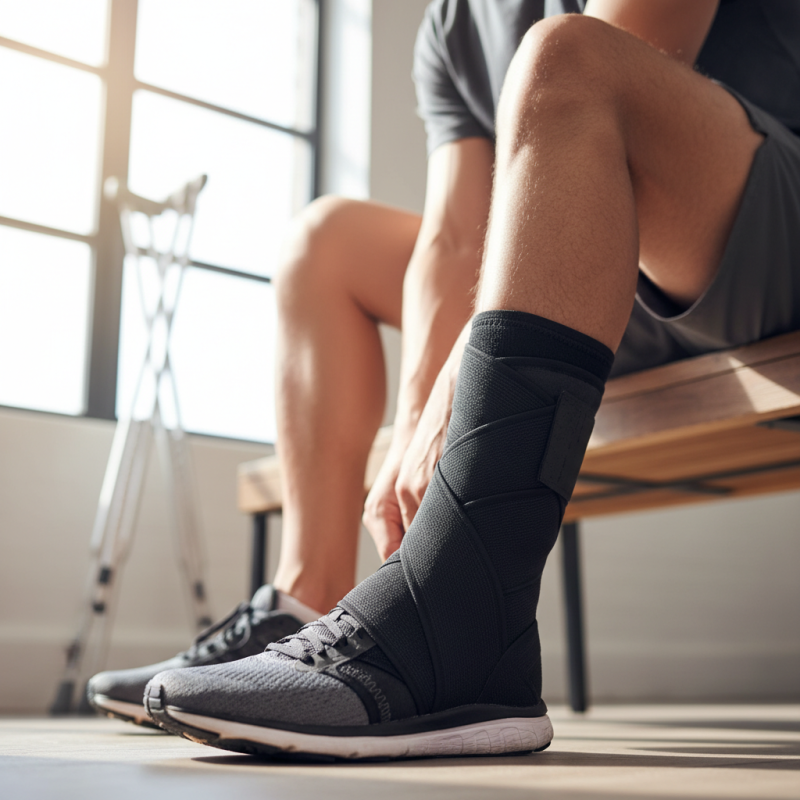
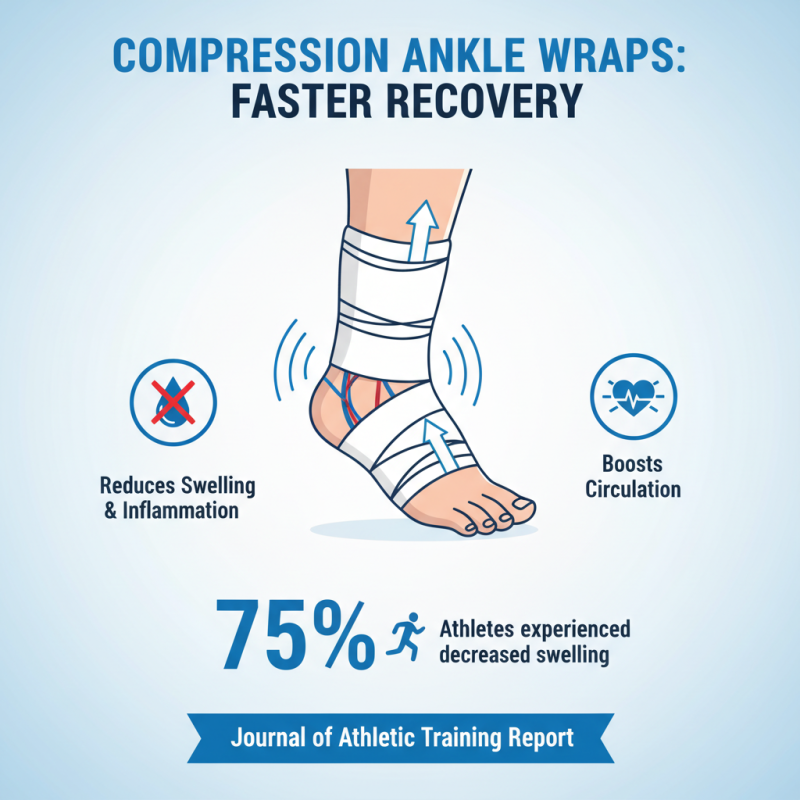
Compression ankle wraps serve as a practical aid in reducing swelling and inflammation during injury recovery. According to a report by the Journal of Athletic Training, 75% of athletes experienced decreased swelling after using compression therapy consistently. This method applies gentle pressure, which helps in minimizing fluid buildup. It enhances blood circulation in the affected area, promoting faster recovery.
During the first few days following an injury, applying a compression ankle wrap can be particularly beneficial. Look for wraps that offer adjustable tension. This allows you to customize the pressure based on your comfort level. Inflammation can lead to pain, and reducing it early on can influence your overall healing.
Tip: Avoid overly tight wraps. They might restrict blood flow instead of improving it. Regularly check for numbness or excessive swelling. Adequate monitoring ensures that you achieve the desired effect without complications. Recovery timelines can vary, and it's essential to listen to your body. Each individual may respond differently, reflecting the need for a tailored approach.
Compression ankle wraps play a vital role in enhancing blood circulation. When applied, they exert consistent pressure on the ankle area. This pressure promotes venous return, which is critical for reducing swelling. According to a study published in the Journal of Athletic Training, effective compression can improve blood flow by up to 25%. Improved circulation helps in faster recovery from injuries.
Oxygen delivery to the muscles is equally important for healing. Compression promotes capillary perfusion, facilitating the transport of oxygen-rich blood. This can lead to a quicker recovery period. A report from the International Journal of Physiotherapy noted that compression garments can enhance oxygen delivery by approximately 15%. This aspect is crucial for athletes recovering from sprains or strains.
However, compression wraps should be used carefully. Too much pressure can cause numbness and discomfort. Users must find a balance to experience benefits. Monitoring how wraps affect circulation is essential, as improper use could hinder recovery rather than help it. Awareness and proper application are key to maximizing the positive impacts of compression ankle wraps.
Compression ankle wraps play a crucial role in supporting
ligament and joint stability during recovery. Injuries to the ankle can lead to significant instability. According to a
study published in the Journal of Athletic Training, proper compression can reduce swelling by
up to 30% in the first 48 hours. This reduction aids in the recovery process,
allowing for better mobility sooner.
These wraps provide targeted support, enhancing proprioception. Improved
proprioception helps athletes and individuals maintain balance and coordination. A report from the
American Orthopaedic Society for Sports Medicine emphasizes that
effective ankle support reduces the risk of re-injury by about 50%. This statistic highlights
the importance of reliable compression products in rehabilitation.
However, it is essential to ensure that compression is not too tight. Excessive pressure
can impede blood circulation, leading to adverse effects. It’s vital to monitor comfort levels while using these wraps.
They should fit snugly but not cause numbness. Striking this balance is crucial for optimal recovery.
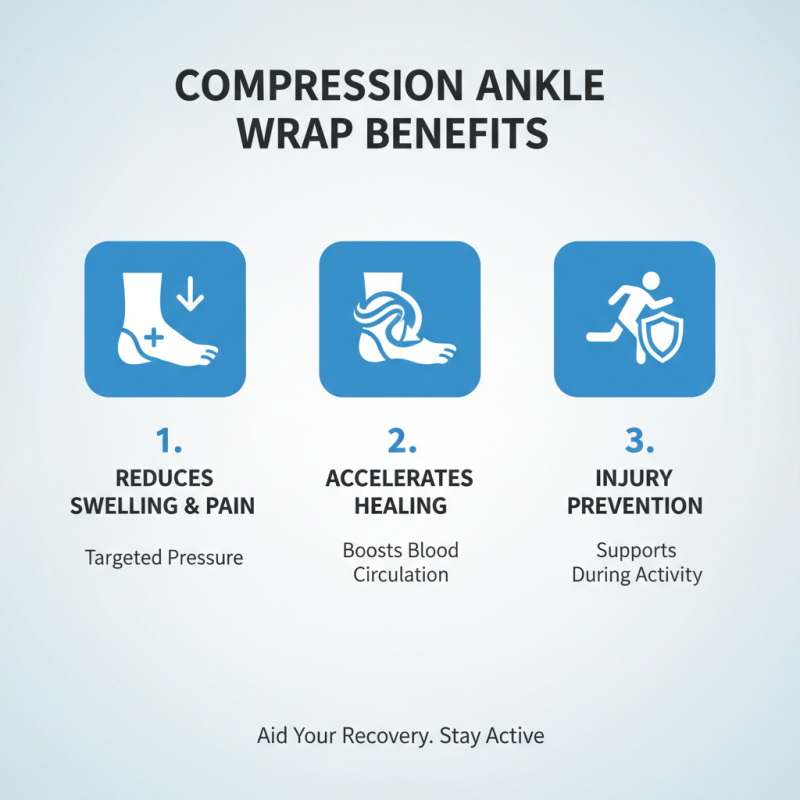
Compression ankle wraps offer numerous benefits for those recovering from injuries. These wraps provide targeted pressure that aids in reducing swelling and pain. By promoting better blood circulation, they accelerate healing time significantly. Many athletes use them as a preventive measure during high-impact activities.
Wearing a compression wrap can feel constricting initially. It may take time to adjust to the snug fit. However, users often report increased comfort and support as they become accustomed to it. The wraps can be used during both rest and movement. This versatility makes them particularly effective in various scenarios.
In addition to physical support, compression ankle wraps can enhance proprioception. This means they help individuals feel their ankle position more acutely. Enhanced awareness can lead to better balance and stability. Some people might find they rely too much on these supports, which could weaken their natural stability over time. Finding a balance in usage is crucial for proper recovery.
Clinical studies have shown that compression ankle wraps play a beneficial role in injury prevention. These wraps provide consistent pressure around the ankle, which helps stabilize the joint. Research indicates that using compression can reduce swelling after injuries. This is particularly important for athletes, who are susceptible to ankle sprains. The immediate support offered by these wraps can be crucial during recovery.
Moreover, compression wraps can enhance circulation. Improved blood flow promotes faster healing by delivering essential nutrients to damaged tissues. A study revealed that athletes wearing compression wraps reported less pain and discomfort during their recovery. However, not all experiences are positive; some users find the wraps restrictive.
Proper fit is crucial, and individual comfort levels vary significantly. Over-reliance on wraps may also lead to weakness in the muscles surrounding the ankle, raising concerns.
While many find compression ankle wraps beneficial, they are not a one-size-fits-all solution. It is essential to assess your specific needs and perhaps consult with a healthcare professional. Adaptation to these wraps can take time, and they should be part of a broader rehabilitation approach.