What is Back Support and How Does It Benefit Your Spine?
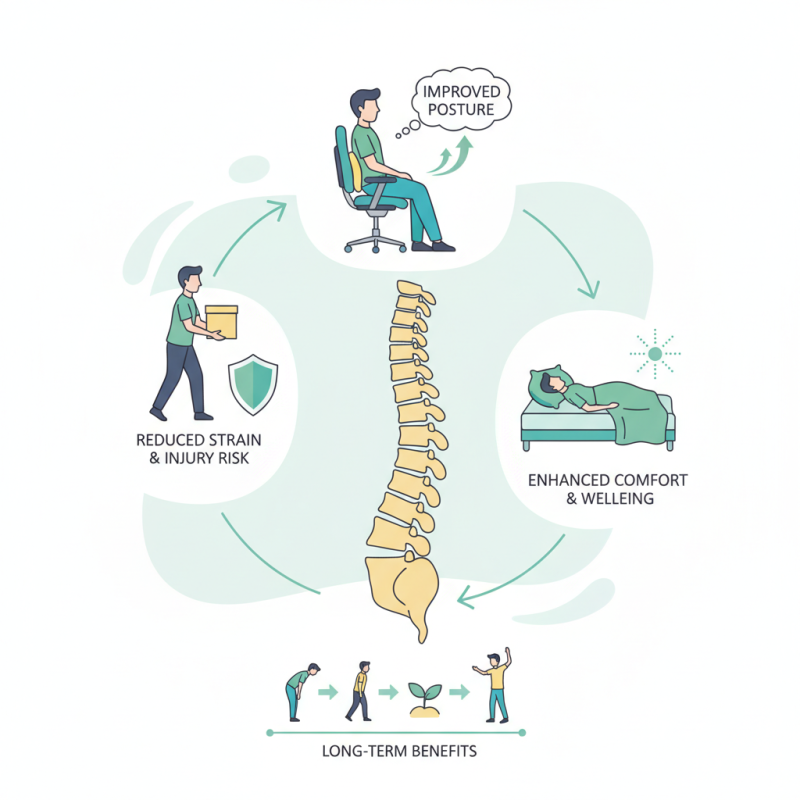
Back support plays a vital role in maintaining spinal health. It refers to the various methods and tools designed to improve posture and reduce strain on the back. Proper back support can enhance comfort and productivity. Many people overlook its importance until they experience pain or discomfort.
In daily activities, the spine bears significant pressure. Poor posture, extended sitting, and heavy lifting can lead to back issues. Products like ergonomic chairs and supportive cushions provide much-needed relief. They encourage alignment and reduce the risk of injury.
Understanding back support is essential for everyone. It helps with both physical health and overall well-being. Investing in support systems for your back can lead to long-term benefits. It's worth evaluating your habits and tools. Are they really supporting your spine? Or are adjustments needed?
Understanding Back Support: Definition and Importance
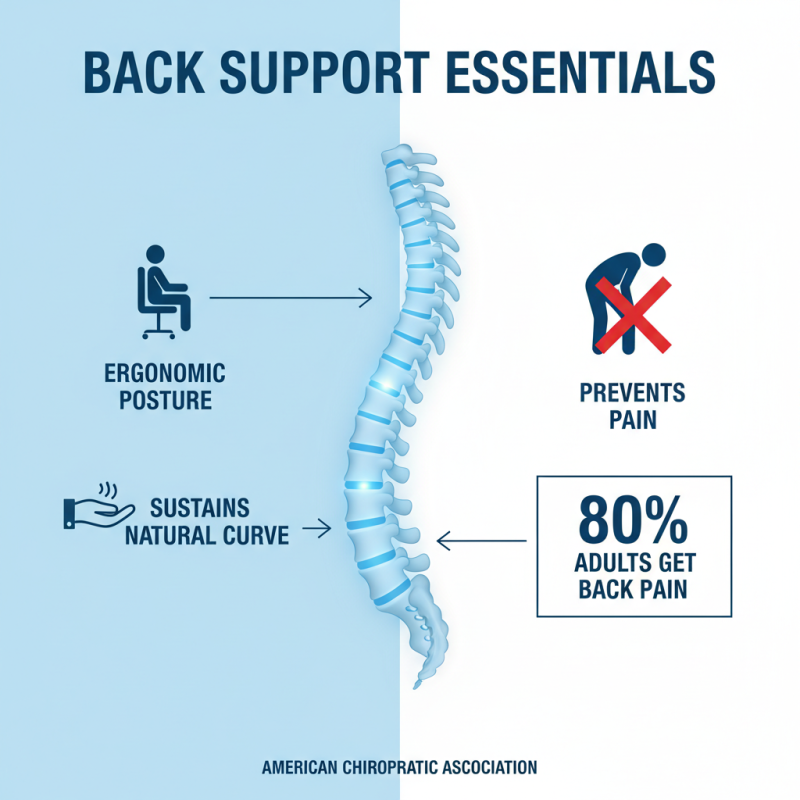
Back support is essential for maintaining spinal health. It refers to proper ergonomic practices that help sustain the spine’s natural curvature. According to the American Chiropractic Association, nearly 80% of adults experience back pain at some point in their lives. This statistic underscores the importance of back support in everyday life.
Understanding back support goes beyond mere comfort. It can prevent long-term injuries and chronic pain. A study published in the Journal of Physical Therapy Science highlights that proper back support can reduce the risk of musculoskeletal disorders by 50%. Yet, many people overlook this crucial aspect. They often sit for hours without adequate support, risking their spine’s integrity.
Many modern office designs lack ergonomic considerations. Workers may feel sore and fatigued without realizing the impact on their health. A well-supported back allows for better posture and improved productivity. Ignoring back support may lead to complications that require medical intervention. It’s vital to re-evaluate our environments and make necessary changes to ensure we protect our spines.
The Anatomy of the Spine and Its Relation to Back Support
The spine is a complex structure that consists of 33 vertebrae, cushioning discs, and supporting muscles. This anatomy is essential for proper movement and posture. According to the American Chiropractic Association, around 80% of adults experience back pain in their lives. Understanding the spine's anatomy can help in choosing better back support.
Back support works by aligning the spine and reducing pressure on the vertebrae. When sitting or standing, proper support can prevent slouching, which often leads to discomfort. Research indicates that ergonomic chairs can improve posture and reduce strain. Yet, many people ignore the importance of regular adjustments to their sitting arrangements.
Most people spend long hours in static positions. This can cause muscle fatigue and imbalances. Even a slight misalignment of the spine over time can lead to chronic pain. While we all strive for the perfect setup, it’s vital to evaluate our habits continuously. The ideal back support might vary widely among individuals, and what works for one may not work for another. Awareness and adjustment are essential for lasting benefits.
Types of Back Support Devices and Their Specific Uses
Back support devices come in various forms, each designed to address specific needs. Lumbar rolls are popular among office workers. They help maintain the natural curve of the spine. Studies indicate that using these rolls can reduce lower back pain by 30%. This simple tool can be essential for long hours of sitting, but it requires proper placement.
Another common device is the back brace. Medical professionals often recommend them for spinal injuries. A study published in the Journal of Rehabilitation Research shows that wearing a brace can increase stability by up to 45%. However, many users tend to rely solely on them. This can lead to weakened back muscles over time, creating a dependency that may negate long-term benefits.
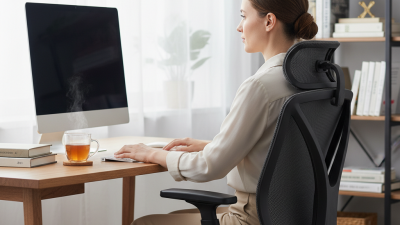
Ergonomic chairs have gained attention as well. They offer adjustable features that support posture. Research from the American Journal of Epidemiology suggests that proper chair height and lumbar support can improve productivity by 20%. Yet, not everyone appreciates the differences. Some individuals may feel discomfort when first using them, prompting a need for adjustment. Understanding how to find the right support is crucial.
Back Support Devices and Their Benefits for Spinal Health
This chart illustrates the user satisfaction levels for various back support devices. High satisfaction rates indicate that these devices are beneficial for spinal health, helping to promote better posture and reduce discomfort.
Benefits of Back Support for Posture and Pain Relief
Back support plays a crucial role in maintaining a healthy spine. When we sit or stand improperly, we put extra strain on our back. This can lead to discomfort and pain. Good back support encourages proper posture. It naturally aligns our spine, reducing the risk of injury.
For those who work long hours, back support can be transformative. It helps alleviate pain and tension in the back muscles. Many find that with better support, they can focus better at work. A well-supported spine improves not just comfort but also productivity. Over time, consistent use can lead to noticeable improvements in posture and overall well-being.
However, not all back support options may feel right for everyone. Some might find certain types uncomfortable. It’s essential to find what works best for your unique body. Experimenting with different supports can take time. Reflection on what feels comfortable is key. With patience, the right back support can lead to significant benefits.
Best Practices for Using Back Support in Daily Life
Back support is crucial for maintaining a healthy spine. Everyday activities can strain your back, especially during long hours of sitting. To use back support effectively, it’s important to adjust your chair or seat to provide proper lumbar support. This encourages good posture and minimizes the pressure on your spine.
Integrating back support into your daily life may require some mindfulness. When working at a desk, ensure your feet are flat on the floor. Your knees should be at a 90-degree angle. If your chair doesn’t provide adequate support, consider using a cushion. It can help align your spine and reduce discomfort.
However, even with back support, many people may find themselves slumping or leaning. It’s easy to forget good posture during busy days. Take regular breaks to stretch and move. Even a short walk can relieve tension. Reflect on how often you adjust your position. Small changes can lead to big improvements in your back health.
What is Back Support and How Does It Benefit Your Spine? - Best Practices for Using Back Support in Daily Life
| Back Support Type |
Benefits |
Best Practices |
| Lumbar Roll |
Supports lower back curvature, reduces strain. |
Use while sitting in chairs for extended periods. |
| Ergonomic Chair |
Encourages good posture, reduces back pain. |
Adjust seat height and back angle for comfort. |
| Back Brace |
Stabilizes spine, supports during heavy lifting. |
Use during activities requiring back support. |
| Seat Cushion |
Improves comfort, promotes blood circulation. |
Choose the right thickness for your height and weight. |
| Standing Desk Converter |
Encourages movement, reduces sedentary habits. |
Alternate between sitting and standing throughout the day. |