Why You Should Consider Ankle Sleeves for Pain Relief and Support
When it comes to maintaining an active lifestyle or recovering from an injury, the importance of proper support for your joints cannot be overstated. One lesser-known yet highly effective solution for providing relief and stability is the use of ankle sleeves. These innovative garments are designed to offer compression and warmth, which can significantly alleviate pain and reduce swelling, making them an essential accessory for athletes and casual walkers alike.
Ankle sleeves not only promote healing but also enhance performance by allowing for greater mobility without sacrificing stability. Whether you're dealing with chronic conditions, recent sprains, or simply looking to prevent injury, ankle sleeves can be an invaluable tool in your wellness arsenal. In this article, we will explore the myriad benefits of incorporating ankle sleeves into your routine, highlighting their role in injury prevention, pain management, and overall support for your ankle joint. Discover why this simple yet effective solution might just be what you need to keep your feet—and your fitness—on the right track.
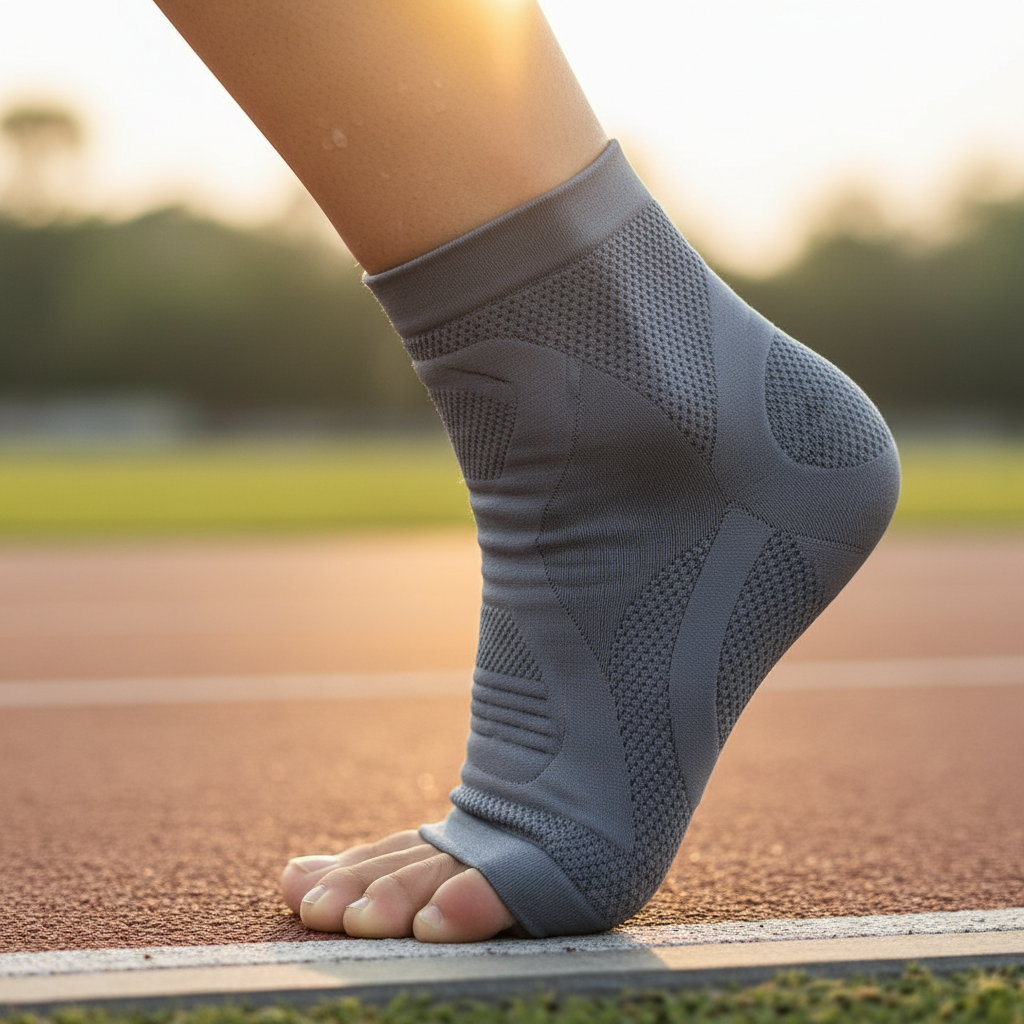
Benefits of Ankle Sleeves for Pain Relief in Athletes and Active Individuals
Ankle sleeves have become increasingly popular among athletes and active individuals for their potential to alleviate pain and provide essential support during physical activities. These compression garments offer a snug fit around the ankle, which enhances blood circulation and reduces swelling. For athletes, this improved blood flow can accelerate recovery times after intense exercise, helping them to maintain peak performance levels while minimizing the risk of injury.
In addition to recovery benefits, ankle sleeves can offer much-needed support during high-impact sports. They stabilize the ankle joint, reducing the likelihood of sprains and other injuries that occur during sudden movements. This is particularly valuable for individuals engaged in activities such as running, basketball, or soccer, where the ankles are subjected to significant stress. The support provided by ankle sleeves not only promotes confidence in their movements but also encourages athletes to push their limits without the fear of an untimely injury. By integrating ankle sleeves into their routine, active individuals can enhance their performance while safeguarding their well-being.
Why You Should Consider Ankle Sleeves for Pain Relief and Support
| Benefit |
Description |
Ideal For |
| Pain Relief |
Provides compression to reduce swelling and alleviate pain. |
Athletes recovering from injuries or those with chronic ankle pain. |
| Support |
Offers stability to the ankle joint during movement. |
Active individuals engaging in sports with high ankle injury risk. |
| Improved Circulation |
Enhances blood flow to aid recovery and reduce stiffness. |
Anyone with a sedentary lifestyle or prolonged standing. |
| Injury Prevention |
Helps reduce the risk of sprains and strains through support. |
Athletes and recreational sports participants. |
| Comfort |
Lightweight and breathable material ensures lasting comfort. |
Individuals wearing them for extended periods. |
Understanding Ankle Anatomy: How Compression Supports Recovery
Ankle anatomy consists of a complex network of bones, ligaments, and tendons that work together to provide stability and mobility. The structure includes the tibia and fibula, which form the lower leg, and the talus, which connects to the foot. This intricate arrangement allows for a range of movements, but also makes the ankle vulnerable to injuries such as sprains and strains. Understanding this anatomy is crucial for recognizing the benefits of compression through ankle sleeves, which offer targeted support where it’s needed most.
Compression provided by ankle sleeves enhances blood circulation and reduces swelling, aiding in the recovery process. By stabilizing the ankle joint, these sleeves help prevent excessive movement, allowing the surrounding muscles and ligaments to heal properly. The snug fit of an ankle sleeve can also minimize the pain associated with injuries, enabling individuals to maintain an active lifestyle as they recover. Thus, incorporating ankle sleeves not only supports the ankle’s anatomy but also promotes a faster and more efficient healing process.
Clinical Evidence: Studies Demonstrating Effectiveness of Ankle Sleeves
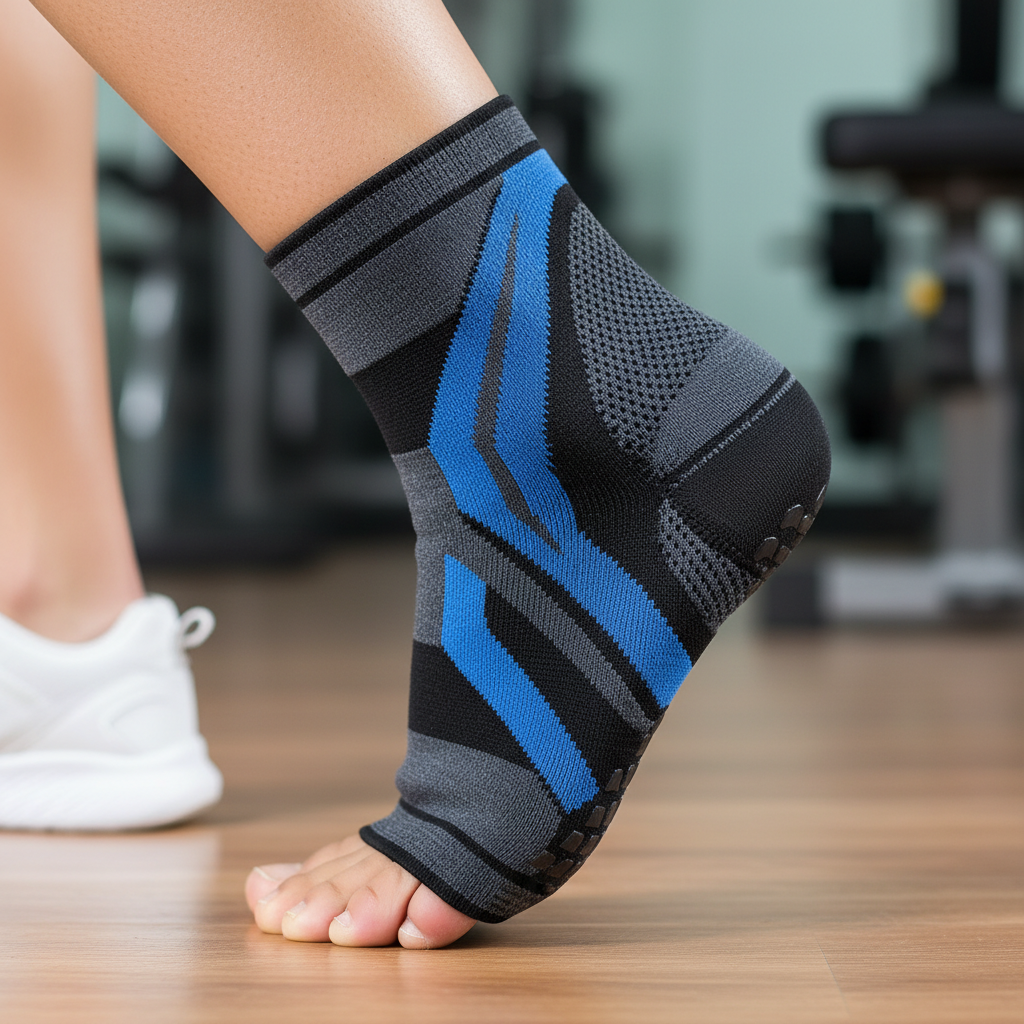
Ankle sleeves have gained popularity as an effective non-invasive treatment option for pain relief and support. Clinical evidence from recent studies reveals that they can provide substantial benefits for conditions like chronic ankle instability and acute ankle sprains. A meta-analysis highlighted that individuals with lateral ankle sprains can experience improved recovery with the use of supportive devices like ankle sleeves, demonstrating that up to 70% of those affected may benefit from such interventions. Furthermore, a systematic review has shown that the use of braces, including removable options, is comparable to traditional casting in terms of recovery outcomes for ankle fractures.
In addition to physical support, recent research emphasizes the role of adjunct therapies, such as physical therapy and exercise regimens, which can enhance the efficacy of ankle sleeves. Studies suggest that combining these approaches leads to improved functional recovery and reduced pain levels. As evidenced by findings in the realm of orthopaedic surgery and regenerative medicine, the integration of support mechanisms like ankle sleeves into comprehensive treatment plans can significantly optimize patient recovery trajectories and enhance overall mobility.
Choosing the Right Ankle Sleeve: Materials and Sizing Considerations
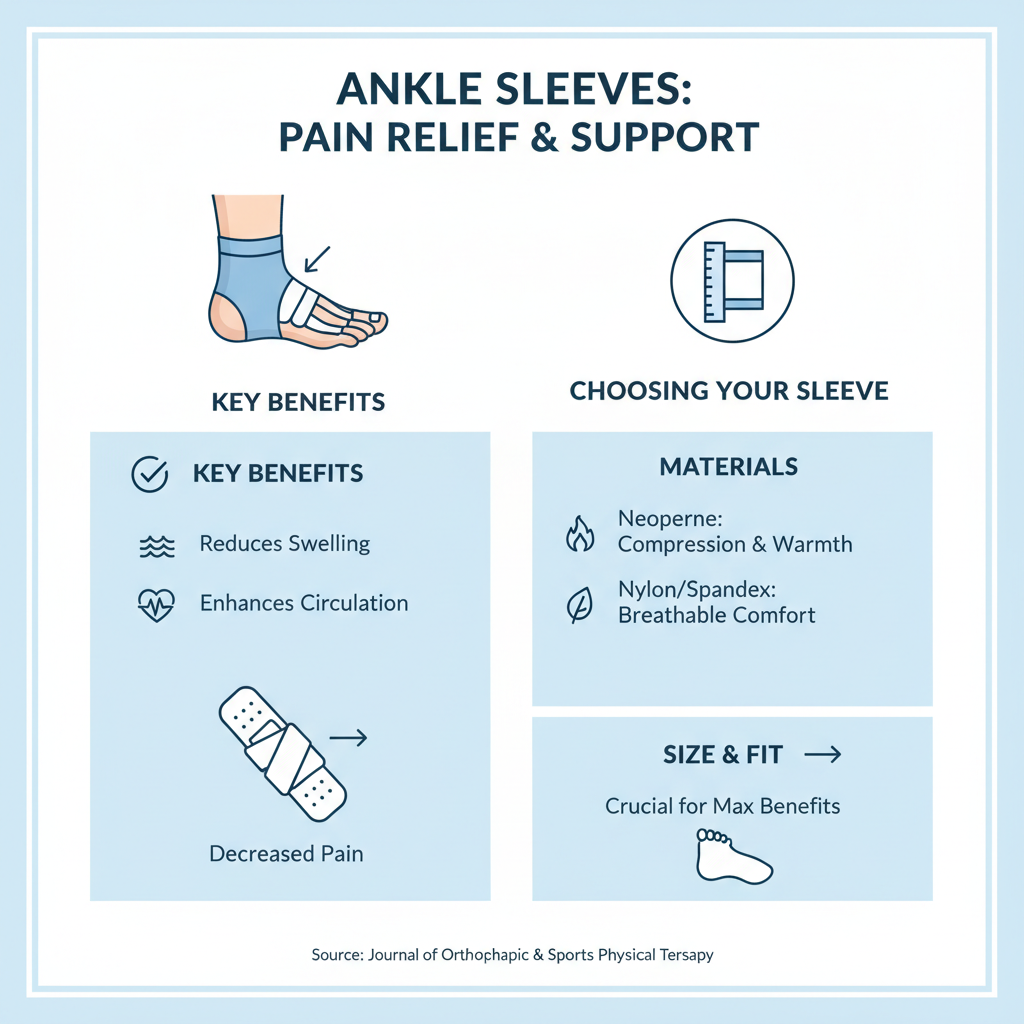
When considering ankle sleeves for pain relief and support, choosing the right materials and size is crucial to maximizing their benefits. A study published in the Journal of Orthopaedic & Sports Physical Therapy indicates that elastic compression sleeves can effectively reduce swelling and enhance circulation, which can lead to decreased pain in individuals with ankle injuries. Materials such as neoprene provide compression and warmth, while breathable fabrics like nylon and spandex ensure comfort during extended wear.
Sizing also plays a significant role in effectiveness. According to the American Academy of Orthopaedic Surgeons, an ill-fitting ankle sleeve may not provide adequate support or may restrict circulation, potentially exacerbating existing issues. It's recommended to measure the ankle circumference at the narrowest point and refer to the brand’s sizing chart to find the best fit. By carefully considering both the materials and sizing of ankle sleeves, individuals can improve recovery times and enhance their overall comfort while participating in physical activities.
Comparative Analysis: Ankle Sleeves vs. Traditional Bracing Solutions
When choosing between ankle sleeves and traditional bracing solutions, it's essential to evaluate their respective benefits and applications. Ankle sleeves, made from elastic materials, work by providing compression and support to the ankle joint without limiting mobility significantly. This feature makes them suitable for athletes and individuals engaged in daily activities, as they can offer pain relief during movement while promoting blood circulation. Unlike traditional braces, which can be cumbersome, ankle sleeves allow for greater flexibility and comfort, making them an excellent choice for those seeking lightweight support.
On the other hand, traditional bracing solutions typically emphasize stability over flexibility. They often come with straps and rigid components that immobilize the joint more effectively, thus offering superior protection for severe injuries. However, this additional security can come at the cost of comfort and ease of use. For individuals recovering from significant ankle injuries or those prone to recurring sprains, the structured support of a traditional brace may be necessary. Ultimately, the decision between ankle sleeves and traditional braces should be based on the specific needs of the individual, taking into account the nature of their activities and the type of support required.