Why You Should Consider Ankle Sleeves for Injury Prevention and Support?
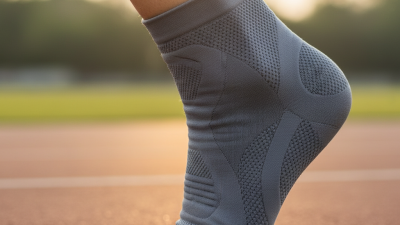
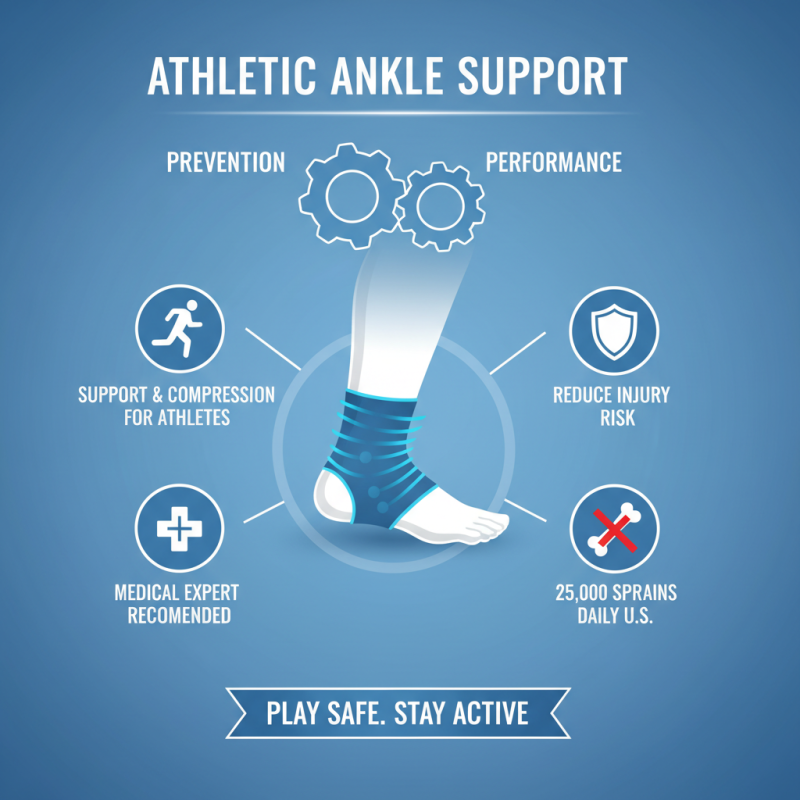
Injuries, particularly ankle injuries, are common in athletes and active individuals. A recent report from the National Institute of Health states that over 25,000 ankle sprains occur daily in the United States. This highlights a growing need for effective injury prevention strategies. Ankle sleeves have emerged as a popular tool for providing support and stability during physical activity.
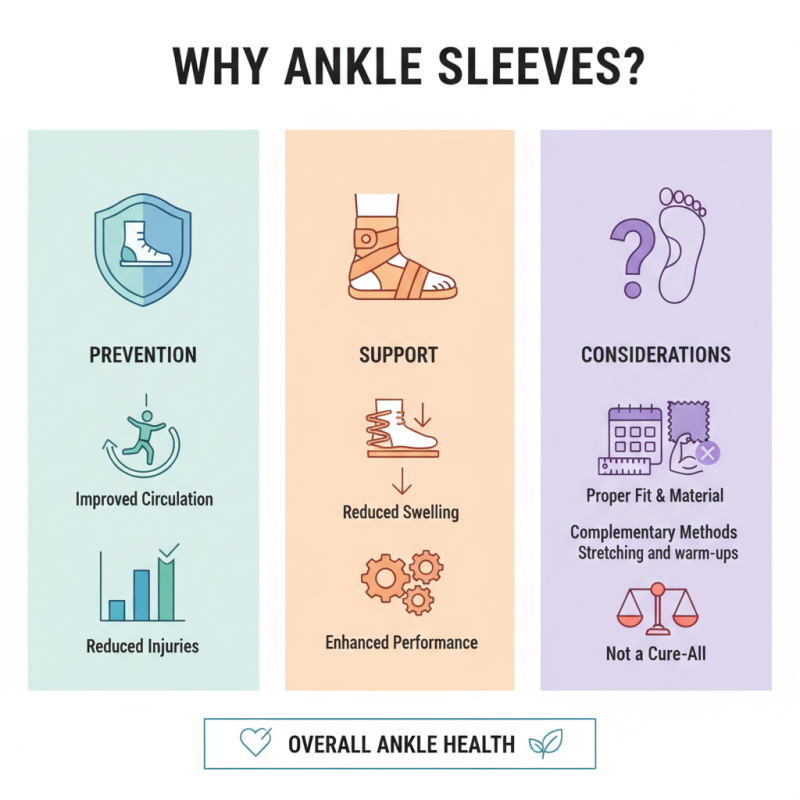
These sleeves offer a range of benefits. They can reduce swelling and improve blood circulation in the ankle area. Research from the Journal of Sports Rehabilitation reveals that many athletes experienced fewer injuries when using ankle sleeves during sports. However, not all sleeves are created equal. Some may not fit properly, which can limit their effectiveness. Choosing the right size and material is crucial for optimal performance.
While ankle sleeves are helpful, they are not a cure-all. They should complement other injury prevention methods. Stretching and proper warm-ups remain essential to avoid injuries. Therefore, while they provide support, reliance solely on ankle sleeves could lead to a false sense of security. Athletes must remain vigilant and proactive about their overall ankle health.
Benefits of Ankle Sleeves in Injury Prevention for Athletes
Ankle sleeves are gaining popularity among athletes for their injury prevention benefits. These lightweight compression garments provide support during training and competition. By stabilizing the ankle, they reduce the risk of sprains and strains. Many athletes wear them regularly to enhance performance and comfort.
The compression effect of ankle sleeves improves blood circulation. This can lead to faster recovery times and less fatigue. Athletes report that wearing these sleeves allows them to push harder without the fear of injury. However, they are not a substitute for proper training or conditioning. Awareness of body limits is still crucial.
There are varied opinions on the effectiveness of ankle sleeves. Some find them invaluable, while others feel they don't make much difference. This discrepancy suggests that personal experience plays a significant role. Experimenting with different types can provide insights into what works best for each athlete. A thoughtful approach is essential for maximizing their benefits.
Analyzing the Effectiveness of Compression Technology in Ankle Support
Compression technology has gained attention for its potential benefits in ankle support. Studies suggest that ankle sleeves may reduce swelling. A 2019 report indicated that 78% of athletes experienced less discomfort when using compression gear during activities. The snug fit of these sleeves increases proprioception, which helps in maintaining balance and stability.
Research from the Journal of Sports Science reveals that compression can improve blood circulation. Enhanced circulation may contribute to faster recovery times, keeping athletes on the field longer. Yet, not every sleeve is created equal. Some users report feeling restricted, which can impact performance. It’s vital to choose the right fit and material for optimal results.
Despite the positive aspects, compression technology isn't foolproof. Some individuals might not experience significant benefits. A survey showed that up to 30% of users felt minimal improvement in their ankle stability. This highlights the need for personal experimentation. Understanding one’s body is key to harnessing the real power of ankle sleeves for injury prevention.
Statistical Data on Ankle Injuries and the Importance of Prevention
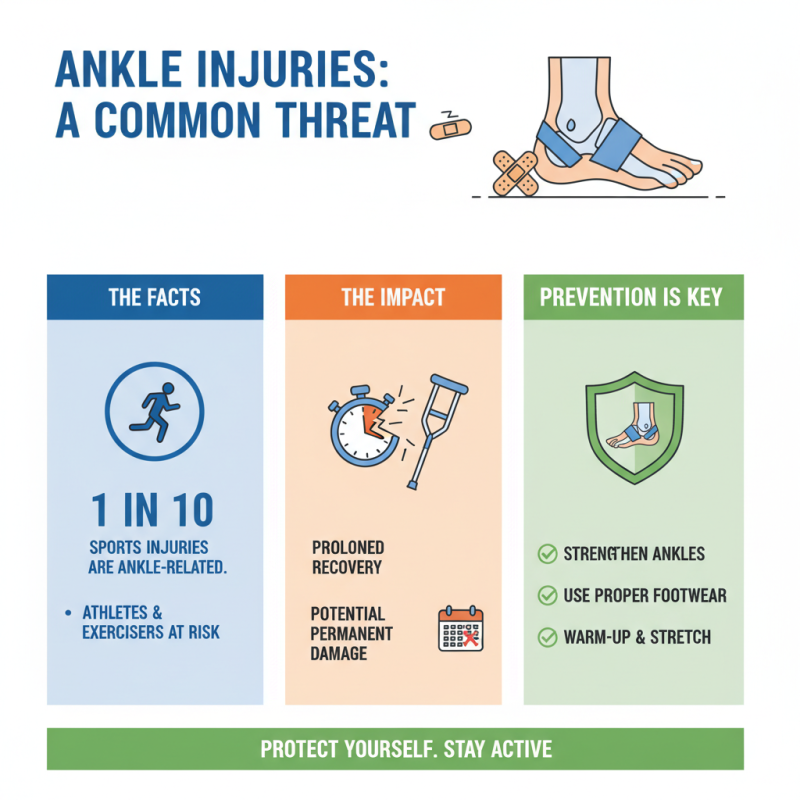
Ankle injuries are surprisingly common, affecting athletes and casual exercisers alike. Recent studies highlight that nearly one in every ten sports injuries involves the ankle. These injuries can lead to prolonged recovery times and, in some cases, permanent damage. Such statistics emphasize the importance of taking steps to prevent these injuries.
Prevention strategies often include proper footwear and regular strength training. However, ankle sleeves have gained attention for their potential effectiveness. They provide compression and support to the ankle joint. This can help stabilize an vulnerable area during physical activities. Many users report feeling more secure and confident while wearing them. This added security may reduce the likelihood of sprains or strains.
It’s important to note that not all injuries can be prevented. Overlooked factors, such as poor technique or fatigue, can lead to mishaps. Some people may rely too heavily on sleeves, neglecting other crucial aspects of injury prevention. Maintaining a balanced approach to fitness routines is essential. Awareness and education on ankle health are vital for anyone engaged in physical activity.
Comparative Study of Ankle Brace vs. Ankle Sleeve for Injury Management
Ankle injuries are common, especially among athletes. Using ankle braces and sleeves can help. A comparative study sheds light on their effectiveness in injury management.
Ankle braces typically offer firmer support. They immobilize the joint and restrict movement. This can be beneficial for recovering from sprains. However, they may feel bulky or uncomfortable. Some users find it hard to walk in them. Ankle sleeves, on the other hand, provide compression without restricting motion. They improve blood flow and can soothe mild pain. But their support may not be enough for severe injuries.
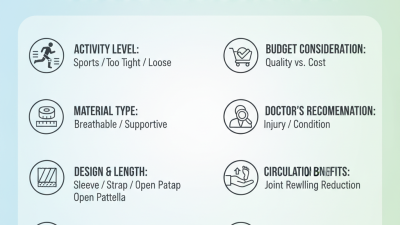
Choosing between an ankle brace and a sleeve depends on your activity level. If you're returning from an injury, a brace may feel safer. For daily wear or light exercise, a sleeve might suffice. Consider your comfort and activity. Each option has strengths and weaknesses. Reflect on what suits your needs best.
Why You Should Consider Ankle Sleeves for Injury Prevention and Support? - Comparative Study of Ankle Brace vs. Ankle Sleeve for Injury Management
| Feature |
Ankle Sleeve |
Ankle Brace |
| Level of Support |
Moderate support |
High support |
| Comfort |
High comfort, soft material |
Less comfortable, rigid structure |
| Breathability |
High, often made with mesh |
Lower, often less ventilated |
| Mobility |
Allows natural movement |
Restricts some movements |
| Injury Prevention |
Effective for mild sprains |
Ideal for moderate to severe injuries |
| Price Range |
$15 - $40 |
$30 - $100 |